Downtown Redevelopment Prospects Amid Mixed Urban Realities
As Vancouver marches forward with its transformative waterfront project, voices from the community are urging city leaders to not let downtown remain an afterthought in the urban renewal plan. While the waterfront success story draws attention and praise, the bustling heart of downtown still holds a treasure trove of underused sites that could smooth the way to a more vibrant urban life. In this editorial, we take a closer look at the challenges, opportunities, and tangled issues that surround downtown redevelopment and housing initiatives.
The city is currently grappling with the need to build between 7,000 and 10,000 new housing units in the downtown area to meet ambitious citywide targets. Yet, many are questioning whether this goal is achievable given a host of tricky parts – from property ownership disputes to zoning debates – that make the overall scenario seem a bit overwhelming. More critically, the issue requires a careful balance between stylish modern living and preserving the unique character of downtown Vancouver.
Identifying the Underutilized Real Estate Landscape
Uncovering Hidden Spaces and Opportunities
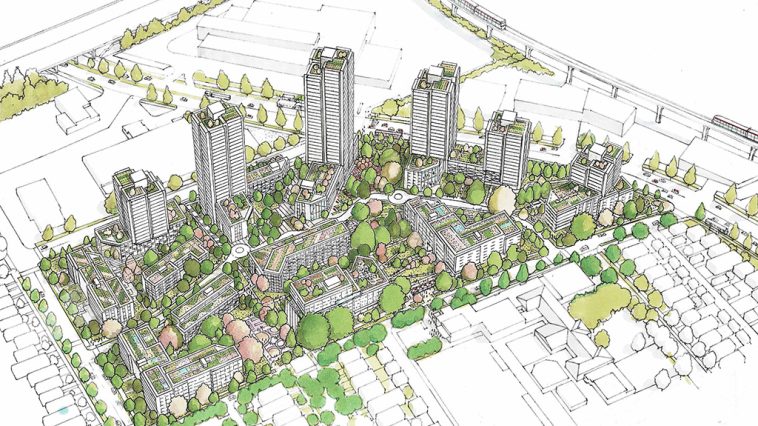
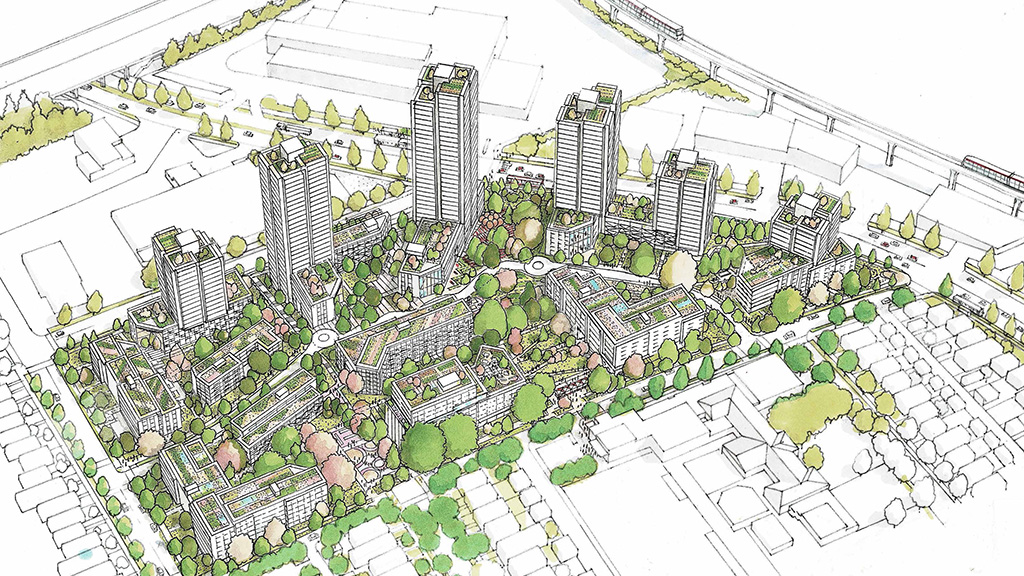
The Vancouver City Center Redevelopment Authority has zeroed in on 20 underused sites in the downtown area that they believe could serve as the foundation for much-needed new housing. In many cases, these properties have been left on the sidelines for far too long, even as the city invests heavily in marquee projects like the $1.5 billion waterfront development. It is essential to ensure that downtown’s redevelopment potential is as fully explored as that of the waterfront.
An interesting example is the block hosting well-known local establishments, such as Brickhouse Bar & Grill, where the property owners have recently put the block up for sale. This situation isn’t just a sign of market change – it’s indicative of a broader trend where property owners, urban planners, and the local government must figure a path through the tangled maze of redevelopment issues to achieve sustainable growth.
Below is a simple bullet list outlining some of the key opportunities arising from these underutilized sites:
- Potential for mixed-use developments that combine living, shopping, and entertainment.
- Revitalizing aging structures to improve energy efficiency and modernize amenities.
- Encouraging public-private partnerships that could finance modern urban living spaces.
- Creating multi-family housing projects that cater to a diverse demographic, from young professionals to growing families.
Each of these possibilities carries its own set of complicated pieces and little twists that require careful planning and execution. However, without a concerted effort from all stakeholders, the potential of downtown Vancouver may remain largely untapped.
The Challenge of Meeting Housing Goals
Understanding the Demand for 7,000 to 10,000 New Units
One of the central talking points in today’s urban debate is why the city needs to build between 7,000 and 10,000 housing units in downtown Vancouver. At first glance, these numbers sound intense – even a bit nerve-racking – but when we poke around the finer details, we see that the numbers are reflective of a reality tied to urban growth, rising cost burdens for residents, and the need to create sustainable communities.
Housing shortages have long been a problem for many urban centers across North America. While Vancouver’s waterfront project is nearly complete and promises a dramatic facelift, its benefits are limited if downtown – the city’s vibrant core – continues to struggle with property vacancies and the lack of affordable housing. Stakeholders argue that a holistic plan, which factors in these underutilized sites, could significantly reduce the pressure on the housing market. By developing these areas responsibly, Vancouver could not only meet its unit subtraction numbers but also enhance the quality of life for its residents.
Key factors contributing to the need for these new housing units include:
- Growing Urban Population: With more people moving to Vancouver, the city must create enough spaces to accommodate a steadily increasing population.
- Economic Diversification: New housing can draw a varied demographic in terms of workforce, creativity, and income levels, fostering a robust local economy.
- Revitalization of Local Economies: More residents in downtown areas typically mean more foot traffic and business opportunities for local shops, restaurants, and service providers.
While these points illustrate just how critical housing development is in today’s urban conversation, they also shine a light on the many confusing bits that come with steering through the myriad policy, economic, and logistical challenges involved.
Balancing Waterfront Success and Downtown Potential
Shifting the Focus to Underappreciated Urban Spaces
Vancouver’s waterfront project rightfully stands as a beacon of urban renewal and modern architecture. But, as many experts point out, focusing too much on the waterfront risks leaving the downtown area underdeveloped. The economic development director, Patrick Quinton, highlighted this lack of attention earlier in city council meetings, emphasizing that both regions require coordinated development efforts.
The waterfront project, valued at $1.5 billion, is a hugely intimidating investment – both in monetary terms and in urban planning realms. Yet, the success story behind the waterfront has inadvertently shifted some focus away from downtown, where numerous opportunities remain cocooned under layers of regulatory, economic, and visual obstacles. In many cases, property owners in downtown Vancouver are still sorting out ownership details and resolving conflicts over development rights, which adds to the delicate balancing act required for urban renewal.
To better understand this scenario, consider the following table outlining the differences and similarities between waterfront and downtown development challenges:
| Aspect | Waterfront Development | Downtown Redevelopment |
|---|---|---|
| Investment Scale | Huge monetary backing and high-profile projects | Smaller-scale projects requiring aggregated investments |
| Public Interest | High media attention with global interest | Local but potentially transformative interest |
| Regulatory Issues | Often streamlined by the allure of large projects | More complicated due to mixed-use spaces and older infrastructures |
| Community Impact | Economic boost but not necessarily addressing all local needs | Direct impact on residents’ daily living conditions and local business growth |
This table serves as a reminder that each development project, whether on the waterfront or downtown, comes with its own set of tricky parts. The little details matter – and if ignored, they could lead to further delays and complications.
Community Perspectives on Urban Renewal
The Opinion of Local Residents and Stakeholders
Local residents have mixed feelings about the city’s push toward redevelopment. Many welcome the promise of new housing and economic opportunities, while others fear that rapid development might erode the unique character of downtown Vancouver. These voices remind us that every urban renewal initiative must consider the community’s subtle details, including local traditions, historical landmarks, and the existing social fabric.
Below, we outline some of the core opinions that have shaped the discussion so far:
- A Call for Balanced Development: Many community members support the waterfront success but argue for similar dedicated resources to bring the downtown area up to the same light.
- The Need for Transparent Dialogue: Stakeholders demand open, honest conversations about the tricky parts associated with redeveloping older parts of the city, from property sales and regulatory hurdles to the integration of modern design within historical contexts.
- Economic Opportunities Versus Quality of Life: A recurring theme in community discussions is the tension between economic growth and maintaining a high quality of life. Residents want to see how new housing can benefit them directly, whether through improved local services or more vibrant public spaces.
These opinions, rich with both optimism and caution, stress the importance of inclusive planning. Urban renewal is not just about constructing new buildings but nurturing a community’s identity. While many of today’s planning efforts seem to be loaded with problems that need sorting out, they are also ripe with opportunities for innovative, community-based solutions.
The Fine Points of Urban Policy and Implementation
Decoding the Municipal Strategies and Tricky Regulatory Pieces
Working through the layers of municipal policies and regulations can be an intimidating endeavor, particularly in a city as dynamic as Vancouver. From zoning laws to historical preservation codes, the government must figure a path that prioritizes housing without ignoring the rich historical and cultural background of downtown neighborhoods.
The city council’s decisions in recent meetings have shown an effort to balance these competing goals. For instance, proposals to defer certain park and traffic impact fees were introduced as a way to encourage multifamily housing projects, a move designed to make the process less nerve-racking for developers while still protecting community interests.
Key regulatory elements that deserve attention include:
- Zoning Adjustments: Changing zoning classifications for underutilized sites could open up new possibilities for mixed-use developments. However, these adjustments come with their own little twists that require deep dives into local bylaws.
- Historic Preservation: Many downtown areas are home to buildings with historical significance. The challenge lies in preserving the aesthetic and cultural value while adapting structures for modern use.
- Incentives for Developers: City policies are increasingly geared toward providing tax breaks and financial incentives for projects that meet prescribed housing goals. These incentives aim to ease the tangled issues associated with large-scale redevelopment.
Ultimately, the city’s regulatory framework needs constant refinement to strike a balance between innovative urban renewal and the existing community fabric. Only through continuous dialogue and agile adaptation can Vancouver hope to manage its urban future effectively.
Economic and Social Implications of Downtown Redevelopment
How Revamping Underused Sites Can Stimulate Local Economies
The concept of urban redevelopment is not solely a matter of urban planning and construction – it is also a powerful economic engine. New housing in downtown Vancouver promises to stimulate a ripple effect that goes well beyond the confines of residential real estate.
When underused sites are transformed into vibrant community spaces, local businesses benefit immensely. Increased density in an area can lead to more local spending, encourage entrepreneurship, and attract a broader demographic to the area. The retail and service sectors, in particular, stand to profit significantly from a well-planned influx of new residents.
Socially, a more vibrant downtown area can contribute to a renewed sense of community and improved quality of life. Here are a few ways in which a successful redevelopment plan can yield both economic and social dividends:
- Boosting Local Business: Increased foot traffic and a larger resident base can directly translate to higher sales, more job opportunities, and economic stability for local entrepreneurs.
- Creating Public Spaces: Transforming vacant lots and old buildings into parks, community centers, or mixed-use spaces can foster community interaction and improve mental well-being.
- Encouraging Cultural Diversity: New housing developments often attract diverse populations. This enhanced cultural mix brings with it innovative ideas, new cuisines, arts, and traditions that enrich the community’s overall vibe.
These positive outcomes, however, require that urban planners remain acutely aware of each project’s little details – the subtle parts that can determine whether a development serves the community or ends up as a sterile, impersonal structure.
Strategically Investing in the Future of Downtown
Planning and Policy Adjustments for Sustainable Growth
Vancouver’s present situation calls for a strategic pivot in how downtown redevelopment is approached. The economic benefits of successful urban renewal are undeniable, yet meaningful change often starts with pinpointing and addressing each of the fine points of policy, even those that seem trivial at first glance.
For example, the debate surrounding park and traffic impact fees has significant implications for how developers assess the feasibility of multifamily housing projects. Some city council decisions, even if seen as on edge by certain interest groups, represent an attempt to smooth out the nerve-racking bits of cost and regulatory impact. Adjusting such policies is a demonstration of how municipal efforts are evolving to support comprehensive changes in urban development.
It is critical that future policies incorporate community engagement and reflect an understanding of the interconnected nature of housing, transportation, public spaces, and local economies. To break it down, administrators and citizens alike must:
- Collaborate Closely: Regular meetings and public consultations are necessary to ensure that every voice is heard, from long-time residents to new businesses entering the market.
- Invest in Infrastructure: Upgrades in transportation, utilities, and communication systems are essential to accommodate the increased density that new housing will bring.
- Maintain Balanced Urban Growth: Policymakers must ensure that development does not come at the cost of existing neighborhoods’ character or livability.
These strategic adjustments, though they might seem like minor twists in the broader narrative, are super important for ensuring that Vancouver’s downtown can realize its full potential. When policy becomes flexible, adaptive, and community-oriented, even the most complicated pieces of redevelopment can be reassembled into a winning blueprint for urban success.
Dealing with Overwhelming Decision-Making Aspects
Figuring a Path Through Complex Urban Planning Challenges
Urban planning is full of confusing bits and nerve-racking decisions that require leaders to figure a path through numerous small distinctions and tricky parts. In Vancouver’s case, part of the challenge lies in reconciling short-term development pressures with long-term urban sustainability. On one hand, there is the immediate need to increase housing units and stimulate local growth; on the other, there is the equally important task of preserving community heritage and ensuring that growth is inclusive.
This balancing act is complicated by several factors:
- Budget Constraints: Public funds and private investments must be efficiently allocated to deliver projects that ultimately benefit the community.
- Regulatory Hurdles: As mentioned earlier, local bylaws and zoning limitations often add nerve-wracking layers of complexity that developers must work through.
- Community Input: Navigating community expectations and integrating diverse opinions into final plans requires careful, empathetic leadership.
Despite the overwhelming array of issues, community leaders and urban planners in Vancouver are working hard to ensure that the city’s trajectory remains positive. The key is continuous engagement, transparent decision-making, and a readiness to adapt policies when unexpected challenges rear their head. With each small twist and little detail addressed head-on, Vancouver is better positioned to trace a clear roadmap toward sustainable urban prosperity.
Innovative Ideas and Future Directions
Ideas for Integrating Modern Living with Downtown Charm
Looking ahead, Vancouver has the opportunity to create a downtown that is as dynamic as it is diverse. There exists a growing consensus that innovation must be at the heart of urban redevelopment. This next phase of planning will require fresh thinking that marries modern building techniques with the preservation of historic character.
Some innovative ideas that have emerged include:
- Adaptive Reuse of Buildings: Rather than demolishing older structures, reimagining them for modern purposes can keep the historic charm alive while meeting current housing needs.
- Green Building Initiatives: Sustainable development practices, such as energy-efficient design and renewable energy integrations, can help reduce the city’s environmental footprint while also cutting long-term costs.
- Community-Driven Projects: Involving residents in the decision-making process for building and design can lead to spaces that are not only functional but also genuinely reflective of community identity.
- Mixed-Use Developments: Projects that seamlessly blend residential, commercial, and recreational spaces provide the foundation for a vibrant urban life, catering to residents’ diverse needs.
Such projects, by their very nature, require a delicate balance. They need to be carefully planned to overcome the tricky parts of historic preservation, regulatory requirements, and market conditions. But when done right, they can serve as a model for progressive urban development, showcasing how modernization and heritage can coexist.
For instance, smart city technologies can be integrated into these new developments to improve safety, optimize energy usage, and enhance overall connectivity in the urban landscape. These changes, though seemingly small, contribute to the overall transformation of downtown Vancouver, making it a beacon for other cities facing similar challenges.
Working Through the Tangled Issues of Property Sales and Zoning
Resolving Ownership and Regulatory Disputes in Downtown Vancouver
One of the more nerve-wracking aspects of urban redevelopment is the management of property sales and the corresponding zoning adjustments. The recent case of the property housing Brickhouse Bar & Grill being placed on sale is a prime example of how individual ownership decisions can have broad implications for city planning. The potential sale of even a single block could serve as a catalyst for wider redevelopment if handled with foresight and collaboration among stakeholders.
Resolving these tricky parts involves several critical steps, such as:
- Clear Communication: Local governments and property owners must engage in open discussions to figure a path that meets the needs of both parties.
- Strategic Zoning Reforms: Adjusting zoning categories in line with new housing needs can help streamline redevelopment, provided these changes are well-communicated with affected residents.
- Incentives for Early Adopters: Providing financial or regulatory incentives to property owners willing to modernize or repurpose their sites can encourage timely collaboration.
These steps, while loaded with issues, are essential for smoothing out the complicated pieces of downtown redevelopment. When thought through carefully, each small distinction in the process contributes to the larger goal of creating a unified and dynamic urban core.
Drawing Lessons From the Waterfront Transformation
How Waterfront Success Can Inform Downtown Redevelopment Plans
Vancouver’s waterfront transformation offers a blueprint for success, albeit one that must be adapted carefully for downtown renewal. While the waterfront attracted global attention and massive investments, the lessons learned from that effort can be applied to the more intimate context of downtown development. The key takeaways include:
- Strategic Investment: Concentrated funding and a clear, long-term vision were crucial for the waterfront project’s success. A similar approach, scaled appropriately, can make downtown redevelopment less intimidating.
- Community Involvement: The waterfront project benefited from comprehensive community outreach. Building consensus among stakeholders in downtown areas is equally important.
- Streamlined Regulations: While regulatory hurdles still exist, finding ways to ease the process for large-scale investments proved beneficial in the waterfront case. Similar flexibility could unlock many previously underutilized sites downtown.
Adapting these strategies helps reinforce the notion that urban renewal is not a one-size-fits-all equation. Instead, it is an ongoing process that must continuously be refined as community needs and economic conditions change. By learning from both successes and setbacks, Vancouver can work through the tangled issues that define its urban landscape.
The Road Ahead: Sustainable Urban Growth
Synthesizing Policy, Community, and Economic Goals
The challenge of redeveloping downtown Vancouver is a microcosm of broader urban challenges faced by cities worldwide. With an ever-evolving economic landscape, shifting demographics, and the ongoing need for sustainable, community-centered growth, every stakeholder – from municipal policymakers to local business owners and everyday residents – must play a part in this transformative process.
Synthesizing policy, community, and economic goals is not without its twists and turns. However, taking measured steps toward a future where all parts of the city are valued can upend the traditional paradigms of urban development. A few forward-looking strategies include:
- Integrated Urban Planning: Combining residential, commercial, and cultural development in one cohesive plan can provide a stable foundation for long-term growth.
- Adaptive Policies: Policies must evolve to reflect current market conditions and the small distinctions observed by community stakeholders. This flexibility can reduce many of the intimidating governance hurdles that plague urban redevelopment.
- Emphasizing Quality of Life: Beyond merely increasing housing units, redevelopment must focus on creating spaces that enhance everyday life, with accessible public areas, efficient transportation, and preserved historical landmarks.
For officials and city planners, the task ahead may sometimes seem overwhelming. But by addressing each complicated piece with care, Vancouver has the potential to develop a downtown that not only meets the quantitative goals of housing but also enriches the qualitative aspects of urban living.
Final Thoughts on Downtown Vancouver’s Transformation
Embracing the Challenge With Community and Creativity
In closing, Vancouver stands at a pivotal juncture where its downtown redevelopment strategy could very well define the city’s future. With underutilized sites waiting to be transformed, the challenge is both a call to action and an invitation for creativity. The ongoing discussions about building 7,000 to 10,000 new housing units underscore a reality that is as much about economic necessity as it is about community identity and sustainability.
While the process is undoubtedly loaded with issues – ranging from tricky property ownership matters to the nerve-racking details of zoning regulations – it is also filled with promise. City leaders, developers, and residents alike are being called upon to roll up their sleeves and work through both the subtle details and the major milestones of urban renewal.
Ultimately, the Vancouver story is one of balancing heritage with progress, of steering through tangled issues while keeping an eye on the future. By drawing on the successful elements of the waterfront project and adapting them to fit the unique character of downtown, Vancouver has a super important opportunity to create a model of sustainable and inclusive urban development.
It is incumbent upon all parties involved to engage in honest, community-driven dialogue – to figure a path that takes into account every small twist, every hidden complexity, and every nerve-racking challenge along the way. Only then can the dream of a revitalized downtown, rich in history and bustling with modern activity, become a tangible reality.
Key Takeaways for a Vibrant Downtown Future
Summarizing the Roadmap for Success
To wrap up our discussion of downtown Vancouver’s redevelopment potential, let’s summarize the key points that must be considered as the city moves forward:
- Recognize Underutilized Assets: The identification of 20 vacant or underused sites presents an opportunity for focused redevelopment efforts. Each site offers unique challenges and possibilities.
- Address the Housing Shortfall: The need for 7,000 to 10,000 new housing units is critical for keeping pace with the region’s growth. This requires innovative design solutions and community collaboration.
- Balance Waterfront Glory with Downtown Needs: While the waterfront has seen significant success, a balanced approach is necessary to avoid leaving downtown behind.
- Simplify Regulatory Hurdles: Tuning municipal policies and zoning regulations can lessen many of the intimidating bits of redevelopment, paving the way for smoother project implementation.
- Enhance Community Engagement: Efforts to redevelop should always evoke community input, ensuring that the future downtown reflects the desires and needs of its residents.
- Foster Economic and Social Growth: By boosting local business, promoting mixed-use developments, and preserving cultural landmarks, Vancouver can nurture a vibrant urban center that serves multiple purposes.
Each of these takeaways reinforces the idea that successful urban redevelopment is a multifaceted process – one that requires patience, creativity, and a willingness to work through the tricky parts.
As Vancouver navigates the coming years, it is essential to remember that progress is not just measured in new buildings and housing units, but in the quality of life and the sustained happiness of its residents. The future of downtown Vancouver hinges on taking a balanced approach that respects the past while boldly embracing the future.
Indeed, the story of downtown redevelopment is far from over. With continued attention to detail, thoughtful community engagement, and agile policy adjustments, Vancouver has the unique opportunity to transform an area full of untapped potential into a thriving urban hub for generations to come.
Originally Post From https://www.columbian.com/news/2025/aug/20/vancouver-identifies-20-sites-in-downtown-that-are-ripe-for-much-needed-redevelopment/
Read more about this topic at
Grand Prairie Breaks Ground on New Affordable Housing …
Downtown Development City of Grand Prairie
