Revitalizing Community Infrastructure: An Opinion Editorial on Local Road Improvements
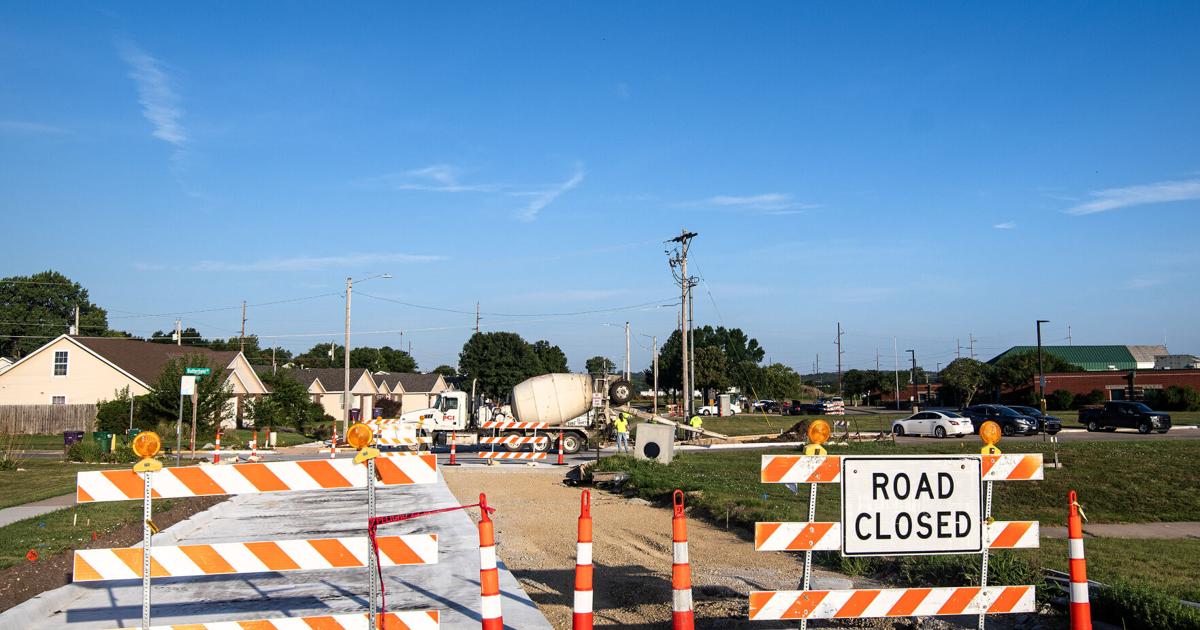
The summer season always brings a mix of anticipation and worry when it comes to local road construction. In Manhattan, crews are working hard to finish road improvements on Browning Avenue and Hobbs Drive near Marlatt Elementary School. While these projects might appear as minor fixes in many eyes, they reflect the super important efforts of local Public Works to sustain community safety and boost infrastructure reliability. In this editorial, we’ll take a closer look at the subtle parts of such urban projects and unpack the challenges, benefits, and ripple effects they bring to a community’s daily life.
Community Impact of Road Construction Near Schools
When city officials roll out road revitalization projects near schools like Marlatt Elementary, the outcome is more than just a fresh coat of concrete or a modernized traffic signal. Local residents, parents, teachers, and students all feel the results. The presence of school children in the vicinity means that extra care is needed, and every improvement becomes essential for ensuring that youngsters get to and from school safely every day.
With a heavy focus on safety, the local government has taken on the nerve-racking task of upgrading old systems that have long been seen as outdated and prone to error. Upgrades like these not only clear up confusing bits in the roadway’s operation, but they also give peace of mind to residents who might otherwise worry about the fine details of outdated technology. In essence, every small improvement on roads running by schools contributes to a monumental effort in making neighborhoods safer overall.
Modernizing Aging Traffic Signal Systems in Local Communities
One of the projects highlighted in the local construction effort was the improvement of an aging traffic signal at the intersection of Browning and Hobbs Drive. When Public Works director Brian Johnson mentioned that the old signal was “running off an old system,” it underscored the challenges of updating infrastructure that many communities have grown accustomed to over the years.
Upgrading technology in such cases can seem intimidating, given the tangled issues associated with underground wiring and the unpredictable effects on existing systems. However, when officials decide to give these old systems a new chance at operation, they essentially clear away the tricky parts of maintenance and safety concerns. Although the upgrade may seem like a minor tweak, it is a key move in transforming the public infrastructure into something more reliable and capable of meeting modern standards. In the end, investing in technology updates may save the community time and prevent potential accidents that arise from malfunctioning equipment.
Balancing Short-Term Fixes and Long-Term City Planning
It’s not just about one road or one upgrade. The ongoing enhancements at Browning and Hobbs Drive are part of a broader strategy to tackle both the short-term and more extensive long-term needs of Manhattan’s transportation network. Many argue that short-term projects are just temporary patches–quick fixes that only get the community by a little longer until a bigger overhaul comes along. Yet, these projects are super important in preserving the flow of daily life.
City officials and Public Works planners have to sort out a tricky balance between immediate needs, such as ensuring safe passage for students during the upcoming school year, and bigger projects that might take years to plan and execute. The challenge is to find a path that allows for immediate improvements without sidelining a strategic vision for the community’s future. And while that might be a nerve-racking undertaking, every project is seen as an essential piece in a much larger puzzle that will one day lead to a more efficient and secure transportation system.
Financial Considerations and Economic Ripple Effects
One of the hidden complexities of local infrastructure projects lies in their broader economic effects. Road constructions, such as the one near Marlatt Elementary, can have several economic ripple effects on the community that go beyond the obvious improvements in commuter safety. The infusion of public funds into these projects naturally stimulates local businesses and creates jobs for those specializing in construction, engineering, and project management.
From an economic perspective, every dollar spent contributes to an economic environment where both small and large businesses may reap benefits in the form of improved transportation networks. Better infrastructure means more reliable delivery routes, which is key for local small businesses, manufacturers, and even automotive companies that depend on well-maintained roads to move goods. By investing in tangible results now, officials are not only solving present issues but are also preventing future off-putting obstacles that could slow down economic growth.
- Job creation in construction and engineering locally
- Improved delivery and distribution for small and large businesses alike
- Increased safety leading to reduced costs linked to road traffic accidents
- Enhanced community trust in local governmental projects
The economic ripple effects of these infrastructure projects often serve as a motivator for further investment in community infrastructure, underlying the super important nature of these projects to both everyday life and long-term economic health.
Public Accountability and Transparency in Infrastructure Projects
One topic that deserves a closer look is the level of transparency maintained by city officials regarding public works projects. The recent updates, like the upgraded traffic signal at Browning and Hobbs Drive, showcase an effort to involve the community in every twist and turn of decision-making. Yet, the process remains full of problems when it comes to keeping every resident informed about how these projects are managed and financed.
Transparent communication helps residents figure a path through the confusing bits of governmental processes, ensuring that every upgrade or repair isn’t seen as just another bureaucratic task, but as a real investment in public safety and community development. Public meetings and local news reports play a fine-tuned role in laying out every small detail to a community that deserves the full picture. In doing so, local governments create a partnership with residents, where each person gets to witness first-hand the planning and execution that goes into community infrastructure projects.
Lessons on Infrastructure from the Upgraded Traffic Systems
It might seem trivial at first to fix an old traffic light, but such improvements underscore a key message: the path to better infrastructure starts with taking care of the little details. When officials decide to replace or upgrade essential components like traffic signals, they are, in fact, addressing a host of potential daily issues. This proactive approach helps reduce the likelihood of accidents and ensures that residents can get around reliably.
Local experts suggest that even the most straightforward fixes can have long-lasting effects on community safety. Upgrading an aging traffic signal is not just about replacing outdated technology—it’s about instilling a culture of safety and proactive maintenance. When authorities decide to work through the little details, they are showing a commitment to both immediate improvements and to facing the long-term challenges head-on. In that sense, even the smallest project can serve as a stepping stone to a more resilient infrastructure framework for the future.
Evaluating the Effectiveness of Summer Road Projects
Sumptuous summer projects like these offer a window into how well city departments manage the delicate balance between speed and quality. With the school year on the horizon, Public Works crews are under immense pressure to finish projects in time, ensuring that students return to a safe and functional environment. While it may seem that rapid execution might compromise quality, detailed planning and recent technological updates can help mitigate such risks.
One of the common criticisms of rapidly executed projects is that they might overlook the subtle parts—small distinctions in layout and installation—that are key to long-term performance. However, modern construction teams are dissecting every step of the process. They’re not just racing against time but also making sure that every twist and turn is accounted for with a level of diligence that works through the complicated pieces of modern urban infrastructure.
Future Prospects: Planning Long-Term Road Infrastructure
Looking ahead, there’s a growing debate about how to sustain and further improve the city’s transportation network. Public Works departments across the country are trying to find a way to manage your way through not only the pressing issues of today but also the innovative yet challenging upgrades demanded by tomorrow’s roads. The project at Browning Avenue and Hobbs Drive is only a glimpse at what more is on the horizon.
City planners are increasingly aware that improvements in infrastructure often lead to positive community feedback loops. When residents see consistent efforts to upgrade and modernize, they’re more likely to voice ideas and participate in public discussions, further contributing to a well-rounded planning process that benefits everyone. The process of working through road improvements is loaded with issues, yet it also serves as fertile ground for collaboration between government bodies and private enterprises that rely on modernized roads for their operations.
This dual focus on present needs and future planning requires a holistic approach. Officials must not only rectify the immediate challenges but also set in motion a plan that addresses anticipated complications. While these tasks may be overwhelming, particularly when every upgrade is happening simultaneously in different parts of the city, the coordinated effort is a must-have for sustainable future development.
Balancing Safety, Economics, and Community Expectations
Local development projects like the one at Browning and Hobbs Drive are a blend of various priorities. On one hand, the public works team has to secure a safe passage for children and other road users. On the other hand, they need to ensure that expenditures lead to lasting benefits, reflecting positively on the local government’s commitment to community welfare.
The balance involves whether to focus on short-term fixes or invest in long-term infrastructure. While rapid fixes solve immediate tricky parts and confusing bits, long-term investments address the essence of sustainable development. Decision-makers must find your way through both the off-putting, old systems that need an update and the exciting, new possibilities that modern technology can offer. This balanced strategy is critical to managing local expectations and bridging the gap between rapid modernization and thorough, future-ready planning.
The Crucial Role of Public Works in Economic Stability
Infrastructure projects have a broader reach than their immediate geographical boundaries. The upgrades on Browning Avenue and Hobbs Drive are not only about safety for school children but also signify a commitment to the overall economic stability of Manhattan. Efficient roads mean smoother commutes, lower vehicle repair costs from accidents, and more reliable pathways for emergency services, all of which contribute to an economically robust community.
For local businesses, particularly small and medium enterprises, these improvements can mean the difference between a slow day and a thriving market. When roads are well-maintained and traffic systems are dependable, businesses experience fewer interruptions. This continuity fuels productivity, encourages trade, and even promotes further private investment in the region. Thus, every dollar spent on upgrading public infrastructure is an investment in the long-term economic health of the community.
Addressing the Challenges of Aging Municipal Infrastructure
One cannot ignore the fact that many municipal infrastructures are built on systems that are now decades old. The need to update a signal that “runs off an old system” is a wake-up call for city planners everywhere. The hidden complexities behind these kinds of projects remind us that much of our urban infrastructure consists of woven layers of past decisions, technological limitations, and resource constraints. Dealing with such tangled issues often involves more than just putting in new hardware—it requires a considered look at planning, funding, and long-term management.
Public Works teams are often tasked with steeling through these challenges with the foresight and urgency that modern urban life demands. While the process is filled with twists and turns, every update becomes a testament to both the resilience and ambition of community management. By carefully measuring every switch and wiring, officials hope to extend the overall lifespan of the infrastructure, ensuring that it remains both safe and efficient for future generations.
Modernizing Infrastructure: Technology Meets Tradition
Manhattan’s infrastructure tells a story of tradition mixed with the push for modernity. As the city works to boost safety and efficiency through technological upgrades, it also preserves the historical character of its neighborhoods. In many ways, the challenge lies in blending new technology with established systems that residents have come to rely on.
This balancing act is not always easy. Upgraded traffic systems, especially those developed from older models, sometimes face compatibility issues. New underground wiring solutions and digital control modules must seamlessly integrate with legacy equipment. Although the process may seem intimidating, the eventual result is a safer, smarter roadway that benefits everyone involved—from local business owners to school–going kids. In opting to get into this process head-on, community leaders show that progress often involves working through the additional efforts required to merge modern solutions with historical setups.
Local Government Initiatives and Their Long-Term Vision
Local government initiatives like the road projects near Marlatt Elementary are more than routine maintenance jobs. They represent the first steps in a larger strategy dedicated to long-term community growth. Officials constantly face the challenge of taking a closer look at everyday issues while simultaneously preparing for future demands. This dual objective requires that every little detail receives its fair share of attention, ensuring that both the immediate and prolonged needs of the community are addressed.
In this light, public works projects are a unique confluence of safety, economy, and community trust. Plans are drawn with the clear aim of minimizing disruptions, yet they are also layered with anticipatory measures to ward off any potential hazards or failures that older systems might cause. When talking about long-term visions, maintaining the trust of the public is as crucial as upgrading the signals and roads themselves. Each project, no matter how small, sends a message that the local government is committed to protecting and nurturing the community’s infrastructure.
Traffic Safety and the Role of Upgraded Infrastructure in Schools
The segment of roadwork occurring near Marlatt Elementary School is particularly significant given the unique considerations of school zones. Traffic signals, speed limits, and pedestrian crossings in these areas are designed with children’s safety in mind. In many cases, any delay in updating these systems isn’t just a matter of inconvenience—it’s a potential safety risk.
Parents, educators, and even local law enforcement are keenly aware that each fine-tuned adjustment in traffic operations can have a direct impact on the well-being of the young community members who traverse those routes daily. Enhancements such as modern traffic signals contribute to safer road crossings and better-regulated traffic flow, which in turn reduces the likelihood of accidents. While the improved signal system might only seem like a small piece of the puzzle, its effects cascade far beyond the immediate roadway, protecting lives and fortifying the community’s trust in local government actions.
Cost-Benefit Analysis: Weighing Investments Against Returns
Every public works endeavor demands a cost-benefit analysis that weighs the immediate expenses against potential long-term savings. The improved traffic signal system and the timely completion of road repaving are examples of investments that might come with a heavy upfront financial cost, but they aim to minimize downtime, accidents, and future repair expenses. Public Works leaders are tasked with getting around these complicated pieces of financial planning while ensuring that the fiscal decisions made today will pay dividends in years to come.
This extended view is essential for ensuring sustainable economic development. When financial planners and engineers work through these tricky parts, they often consider:
- The immediate safety improvements for students and commuters
- Reduced repair and maintenance costs due to modern systems
- Enhanced economic activity fostered by smoother transit routes
- The long-term viability and efficiency of urban infrastructure
In this way, cost-benefit analysis isn’t just about balancing books—it’s about envisioning the future of a community where upgraded infrastructure paves the way for sustained economic health and safety.
The Role of Urban Development in Shaping Small Business Growth
While road construction near schools and busy intersections largely revolves around safety improvements, there’s an often-overlooked impact on local small businesses. Improved road connectivity can lead not only to enhanced traffic management but also to a surge in local commerce. When streets are better maintained and traffic signals modernized, local entrepreneurs find that reliability in transit translates into higher customer footfall and smoother logistic operations.
The benefits of such projects can be frame-worked in multiple ways:
- Increased accessibility: A refreshed infrastructure makes it easier for customers to reach small businesses, particularly those located in community-centric areas.
- Reliability: Upgraded traffic management systems reduce delays, ensuring that delivery schedules remain intact and businesses can operate without unnecessary interruptions.
- Enhanced public perception: When a community visibly invests in infrastructure improvements, it boosts overall morale and consumer confidence, which in turn nurtures a thriving local economy.
In essence, every updated road or signal is not solely an investment in safety but also a subtle nudge towards economic prosperity and enhanced community vibrancy. Local governments that successfully blend these improvements build not just roads, but the pathways to sustainable business growth.
Implementation Strategies: How Local Officials Work Through the Complicated Pieces
The process of maintaining and upgrading local infrastructure is filled with tricky parts and small distinctions that require careful scrutiny. Local government officials and Public Works crews must work through these intimidating challenges with a mix of immediate action and long-term planning. Some key strategies include:
- Prioritization of projects: Projects near high-traffic, high-risk areas—often school zones and busy intersections—are given top priority over less critical zones.
- Community engagement: Regular updates to the public and open forums help ease worries and provide transparency on progress.
- Leveraging technology: By integrating modern systems with legacy structures, officials can overcome many of the confusing bits associated with outdated infrastructure.
- Budget optimization: Careful allocation of financial resources ensures that each dollar spent delivers the best possible long-term benefit, mitigating the potential risks of off-putting future expenses.
These strategies represent a hands-on approach to finding your way through the landmines of public infrastructure development. While there’s always a risk of running into tangled issues, success is often built on the ability of public officials to adapt, learn from prior experiences, and incorporate smart technology that addresses the ever-evolving needs of an urban environment.
Public Perception and the Value of a Transparent Process
Another critical aspect of local infrastructure work is the matter of public perception. Residents often judge incremental improvements based not only on final results but on the thoroughness and honesty of the process. A well-documented plan, clear public notices, and honest timelines all contribute to a sense of trust between local government and the community.
Transparency in these projects can help reduce the nervousness that sometimes accompanies rapid public works. When city officials keep residents updated about the progress and challenges as they get into the fine points of these foreign pieces, it boosts public confidence. Moreover, when the community is well-informed, they are more likely to collaborate and support future projects, knowing that every step is taken to ensure their well-being and the prosperity of the area.
Small Business and Community Growth: The Bigger Picture
While the focus of these road construction projects might seem strictly tied to safety or logistical considerations, their implications stretch far and wide. For small business owners, improvements like these provide a smoother, more reliable foundation on which to build their day-to-day operations. Reliable roads mean fewer delays, a safer environment for staff and customers alike, and ultimately, a more thriving local economy.
This connection between public works and small business growth is more direct than many might think. Enhanced infrastructure supports improved supply chains and better consumer access. In turn, when local businesses thrive, they contribute to an economically vibrant community that can attract further investments—both public and private.
Below is a table that outlines how improved infrastructure can directly benefit various sectors of the local economy:
| Sector | Benefit |
|---|---|
| Retail | Smoother access for customers, boosting foot traffic and sales |
| Manufacturing | Enhanced logistics and reduced transportation delays |
| Service Providers | Improved reliability and reduced travel time for service employees |
| Public Safety | More reliable routes for emergency services, reducing response times |
This table highlights the multifaceted benefits that modernized roads and traffic systems deliver, proving that upgrades extend their influence far beyond immediate fixes.
Learning from the Past: The Evolution of Local Infrastructure Projects
The evolution of local infrastructure, as seen in Manhattan’s recent road projects, offers valuable lessons from the past. The transition from a system that was once riddled with problems to one that meets modern standards represents an ongoing commitment to public safety and economic stewardship. Every improvement, while sometimes small in isolation, is a building block in the long-term improvement of a community’s travel networks.
History teaches us that ignoring the fine points of infrastructure can eventually lead to widespread safety issues and longer-term economic costs. Conversely, thorough updates and vigilant maintenance pave the way for innovative projects that can transform entire neighborhoods. The experience from previous decades serves as a reminder that working through the confusing bits of old technology now can prevent far more intimidating challenges in the future.
Furthermore, a community that witnesses its local government taking proactive measures is more likely to invest in the future, both financially and emotionally. The experience garnered through these projects creates a blueprint for future improvements and helps build a legacy of safety, efficiency, and community empowerment.
Conclusion: The Road Ahead for Community Infrastructure
At its core, the road construction near Marlatt Elementary and the accompanying traffic signal upgrades are far more than mere maintenance tasks. These efforts are a critical manifestation of local government’s dedication to public safety, economic vibrancy, and long-term urban planning. While every project comes with its fair share of intimidating challenges and complicated pieces, the overall impact is undeniably positive. By working through every confusing bit and finding a balanced approach between short-term fixes and long-term goals, Manhattan’s Public Works department shows that even small projects pave the way for major community benefits.
As residents observe these ventures, they not only see the physical manifestations of modernized roads and hopeful infrastructure but also witness an evolving process of collaboration between public officials and the community. Every upgrade, every improved signal, and every repaved road is a subtle promise that the challenges of yesterday are being conquered today, setting the stage for a resilient and flourishing tomorrow.
The journey, like any complex path, is filled with twists and turns. Yet, with transparency, collaboration, and a firm commitment to safety and economic development, the road ahead looks bright. For those invested in both community well-being and the future stability of local business, these enhancements are a welcome sign of progress—a reminder that even in the face of confusing bits and tangled issues, steady, proactive steps forward can transform a community for the better.
Future projects will undoubtedly continue this legacy of improvement, ensuring that as the world of transportation evolves, our local infrastructure evolves in tandem. And as our streets become safer and more reliable, the community as a whole reaps the benefits of robust economic growth, enhanced quality of life, and sustained public trust in the systems that keep us moving.
In summary, while many may see road construction simply as a necessary inconvenience, it is important to recognize it as a fundamental investment in a community’s future—one that underpins our everyday travels, safeguards our children, and supports the economic engine that drives local business. With clear vision and steadfast determination, city leaders are not only paving roads but also building bridges to a more promising and secure future.
Read more about this topic at
8 Essential Steps in Road Construction Projects
8 Finishing