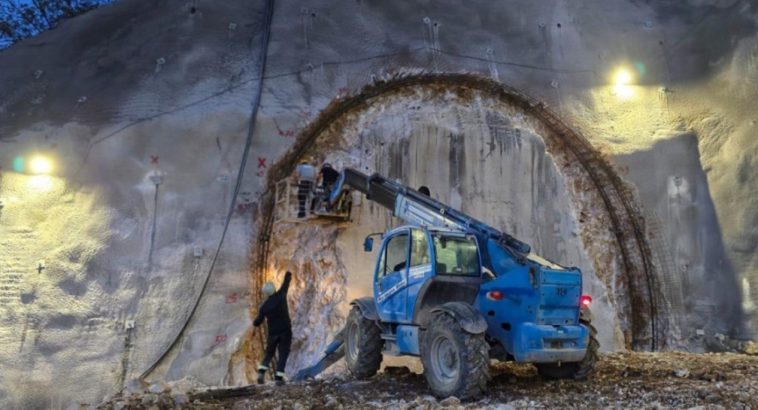

The Kvanj Tunnel Breakthrough: A New Chapter in BiH’s Infrastructure Journey
The recent breakthrough at the Kvanj Tunnel on Herzegovina’s Corridor Vc has set off a flurry of excitement among regional analysts and local residents alike. This milestone marks the start of a major infrastructure project that many are calling a game changer for Bosnia and Herzegovina. In our opinion, the tunnel’s progress offers fresh hope for improved traffic connectivity, regional economic growth, and smoother transit through an area filled with tricky parts and tangled issues.
As we take a closer look at this project, it becomes clear that there are plenty of interesting twists and turns to explore—from the design of a twin-tube structure to the critical financial investment backing the construction. In this editorial, we dive in to discuss the Kvanj Tunnel breakthrough, its broader implications, and how it could reshape the local landscape.
Breaking Ground: The Kvanj Tunnel and Its Strategic Importance
At the heart of the matter is the Kvanj Tunnel, an undertaking that stretches across the quaint yet challenging terrain along the Mostar South – Buna section of Corridor Vc. This tunnel, built as a twin-tube structure with varying lengths for each tube, is not just an engineering feat but also a sign of the region’s determination to overcome complicated pieces such as difficult geological conditions and tangled construction logistics. By initiating the breakthrough now, the project has hit an essential milestone toward improving connectivity in a region that has long faced obstacles.
The tunnel’s right tube measures 2.645 kilometers while the left one comes in at 2.720 kilometers. These slight variations underscore the hidden complexities inherent in tunnel engineering, where even small differences demand careful adjustments within planning and construction phases.
Enhancing Traffic Flow and Regional Economic Integration
A key point of discussion is how this tunnel will ultimately enhance traffic flow across a densely networked highway system. For years, drivers and transport companies have had to steer through longer, more circuitous routes that add extra time and cost to every journey. The Kvanj Tunnel is set to curtail these delays, promising quicker transit between key cities and towns.
Critics and supporters alike have noted that improved transit corridors can act as catalysts for regional economic integration. Peripheral communities might finally gain easier access to larger markets, meaning that local industrial and automotive supply chains can expand more dynamically. Local businesses, especially those related to manufacturing and the emerging electric vehicles sector, stand to benefit from smoother links to major distribution centers.
Here are some key anticipated benefits:
- Shorter travel times between Herzegovina and other economic hubs
- Improved logistics for industrial manufacturers and automotive suppliers
- An attractive prospect for future investments in electric vehicle infrastructure
- Enhanced regional development opportunities and job creation
- A boost in tourism due to easier access to remote areas
Decoding the Fine Points and Hidden Complexities of Tunnel Design
While the headline numbers—such as the twin-tube design and overall length—catch the eye, it is really the nitty-gritty details behind the project’s design that reveal its true scope. Constructing a tunnel amid diverse terrain is never easy, and engineers must figure a path through numerous confusing bits that include water drainage, ventilation systems, and structural reinforcements.
For example, maintaining structural integrity in environments that are both geologically diverse and subject to harsh weather conditions is a nerve-racking challenge. Pioneering techniques and modern equipment need to be balanced with tried-and-true construction methods, all while keeping an eye on safety regulations and environmental impact.
Below is a simplified table outlining the main specifications and challenges associated with the Kvanj Tunnel:
| Specification | Detail |
|---|---|
| Tunnel Type | Twin-tube design |
| Right Tube Length | 2.645 kilometers |
| Left Tube Length | 2.720 kilometers |
| Section Covered | Mostar South – Buna |
| Main Challenges | Geological obstacles, water drainage, ventilation, safety protocols |
Understanding the Contractual and Financial Structure
The project is anchored by a contract valued at 125 million euros, excluding VAT. Such a hefty price tag is both a sign of the tunnel’s critical importance and an indicator of the tangled issues project managers must deal with when balancing quality, cost, and speed of execution.
The contract was formally signed on October 4th of the previous year, with the overall construction of the Tunnel Kvanj – Buna subsection slated for completion within 30 months. This timeline, although ambitious, reflects confidence in the project’s robust planning and the capabilities of the team involved—predominantly the prominent Chinese firm China Road and Bridge Corporation (CRBC). Their experience in large-scale infrastructure projects, albeit sometimes a topic discussed with mixed opinions, underscores the global dimension of modern construction.
Key points about the contractual structure include:
- A defined financial commitment, excluding VAT, indicating a clear cost framework
- A strict 30-month deadline that requires efficient project management
- Reliance on an internationally reputed construction firm to tackle the tricky parts
This sort of financial and logistical planning is essential not only for success but also for setting a precedent in how infrastructure projects are managed in the region.
Driving Forward with Global Expertise: The Role of Chinese Construction Firms
The selection of China Road and Bridge Corporation (CRBC) for this project has raised eyebrows and sparked discussions on both the benefits and concerns regarding foreign investment in national infrastructure. CRBC’s track record in building challenging tunnel projects across various countries has made it a prime candidate for projects that come with their own set of intimidating engineering hurdles.
Supporters argue that the involvement of a global engineering giant ensures access to advanced technology and proven management techniques. On the other hand, some local voices express unease over potential cultural and operational differences that might arise when dealing with foreign contractors. Regardless, the choice reflects a broader trend seen worldwide, where cross-border investments are increasingly critical for pulling off projects loaded with issues that are simply too large and complex for domestic firms alone.
The decision also brings into focus the broader economic dynamics at play in Bosnia and Herzegovina, where expanding the network of international business relationships is seen as a strategic move to drive long-term growth.
In simplified bullet points:
- CRBC leverages global experience to address regional engineering challenges
- Foreign investment broadens access to international construction technology
- Enhanced collaboration may pave the way for future overseas partnerships
- Local stakeholders watch closely, balancing optimism with realistic concerns
Project Timeline and the Road Ahead
Every major infrastructure project carries with it a roadmap that is both a promise and a challenge. For the Kvanj Tunnel project, the stated deadline is 30 months—a period during which numerous phases of construction must be flawlessly executed. This includes not only the tunnel breakthrough phase but also the accompanying developments in road construction to integrate the tunnel seamlessly into the broader Corridor Vc network.
In the coming months and years, industry watchers are expected to evaluate progress based on a variety of factors, including safety records, budget adherence, and overall traffic improvements. It is the hope of many economists that the quicker this tunnel becomes operational, the sooner local businesses can benefit from reduced transport times and lower logistics costs. From the standpoint of a small business owner or a regional planner, these improvements could be super important in bolstering economic activity.
The following timeline summarizes the expected phases in a simplified manner:
| Phase | Duration | Key Activities |
|---|---|---|
| Breakthrough and Initial Excavation | Immediate to 6 months | Drilling, blasting, and setting initial supports |
| Main Construction | 6-24 months | Tube lining, installation of safety and ventilation systems |
| Final Integration and Testing | 24-30 months | Connecting road systems, safety inspections, and project handover |
Local Impact: Boosting Business and Industrial Manufacturing
Beyond the impressive engineering statistics and financial figures, another critical aspect is the local economic impact. In regions where industrial manufacturing and automotive production are significant economic drivers, a well-connected transportation network can reduce costs, open up new markets, and assist small business owners in improving distribution networks.
The tunnel is poised to offer relief to various sectors that have long struggled with extended transit routes. Manufacturers can benefit from faster delivery of raw materials and finished goods, while automotive companies stand to gain from improved logistics chains that foster quicker turnaround times. In this way, the project is more than just a piece of roadwork—it is a strategic initiative that could boost employment, enhance industrial competitiveness, and rejuvenate local economies.
Some of the anticipated effects on local business include:
- Reduced logistics costs due to shortened travel distances
- Improved supply chain reliability for industrial sectors
- Enhanced appeal for investments in emerging sectors such as electric vehicles
- Increased job opportunities due to construction and subsequent operations
- Better access to regional markets for small and medium-sized enterprises
Navigating the Tricky Parts of Environmental and Social Considerations
No major infrastructure project is without its controversial corners. While the Kvanj Tunnel represents progress and opportunity, it is also surrounded by various environmental and social issues that local and international stakeholders need to get into. Protecting local habitats, managing water runoff, and ensuring community safety are among the key matters that engineers and policymakers must work through.
A few points worth noting:
- Environmental Conservation: Ensuring that construction does not harm sensitive ecosystems is of paramount importance. Measures such as proper waste management and ecological monitoring are necessary to steer through the environmental challenges.
- Community Impact: Residents living near construction sites often face temporary disruptions. Transparent and ongoing communication with local communities is essential to ease concerns about road closures, noise, and safety.
- Sustainable Development: The project is a chance to incorporate cutting-edge green technology, which may include energy-efficient lighting, ventilation, and water management systems, all of which contribute to a lesser environmental footprint.
These are not just academic points but real-world challenges that require continuous attention through what many call the little details. Overall, striking a balance between progress and preservation is one of the most intimidating tasks at hand, yet doing so can offer a model for future infrastructure projects in the region.
Implications for Future Cross-Border Trade and Tourism
One cannot overlook the broader implications of the Kvanj Tunnel breakthrough when it comes to cross-border trade and tourism between Bosnia and Herzegovina, Montenegro, and neighboring regions. With every infrastructure upgrade, there is the promise of smoother international travel and a potential uplift in commerce. In regions where economic opportunities have historically been on edge, improved transit corridors can help unlock hidden markets and stimulate new investments.
For instance, enhanced connectivity is likely to:
- Improve the flow of goods between countries in the Balkan region
- Make travel far less nerve-racking for tourists exploring historical and cultural sites
- Create new business opportunities in sectors ranging from automotive to hospitality
- Support sustainable tourism initiatives by reducing congestion and pollution
In this respect, the tunnel is more than just a physical pathway—it represents a connective tissue linking diverse markets and cultures. When regions can find their way to work together more efficiently, everyone benefits from lower transportation costs, quicker access to resources, and even strengthened international relationships.
Comparative Insights: Lessons from Global Infrastructure Projects
Looking at similar projects worldwide provides a rich context for evaluating the Kvanj Tunnel’s potential impact. Many nations have invested in tunnel construction to address similar challenges, and their experiences offer a treasure trove of lessons on managing the tricky parts of massive infrastructure endeavors.
A few comparative insights include:
- Modern Techniques: In countries with advanced tunnel systems, innovations in boring machines and computer-aided design have streamlined the entire construction process. Adapting such techniques here could help reduce delays.
- Safety Protocols: Safety remains a non-negotiable aspect throughout. Landmark projects in Europe and Asia have consistently demonstrated that even with intimidating logistics and nerve-racking geological conditions, meticulous planning paves the way to success.
- Economic Outcomes: Past investments in critical transportation corridors have shown that reducing travel times and logistical disruptions invariably spur local business growth. Investors and local managers can learn much about risk management and long-term planning by studying these projects.
This global comparison serves as both inspiration and a cautionary tale. The lessons gleaned from the successes and minor setbacks of past tunnel projects underscore that while the road may be complicated, a well-planned project can find its way through even the most tangled issues.
Small Business Perspectives: Funding, Opportunities, and Challenges
For small business owners and medium-sized enterprises in Bosnia and Herzegovina, infrastructure improvements like the Kvanj Tunnel often bring a mix of exciting opportunities and a few challenging bits to figure out. While enhanced transport networks can lower costs and expand market reach, the period during which construction is underway can also impose short-term disruptions that are off-putting for local entrepreneurs.
It is useful here to list some possible impacts in a bullet format:
- Opportunities:
- Lower transportation expenses once the tunnel opens
- New partnerships with suppliers and logistics companies
- Expansion into previously under-served markets
- Challenges:
- Temporary disruptions during the construction phase
- Uncertainty regarding updated traffic regulations and transit patterns
- Adjustment to changes in local business routes and delivery timelines
In our opinion, planning and clear communication from construction companies and local government bodies will be key in ensuring a smooth transition. Maintaining an open line of dialogue with business communities can help mitigate any negative effects during this development phase.
Electric Vehicles, Modern Logistics, and Future-Proof Infrastructure
A rising trend that deserves attention in the context of the Kvanj Tunnel is the shift to electric vehicles and modern logistics. As the automotive industry undergoes a transformation, regions investing in state-of-the-art infrastructure have a superior chance of attracting new investments in clean technology and sustainable transport.
Even amid the tricky parts of transitioning from traditional vehicles to cleaner alternatives, a well-connected corridor like the one enhanced by the Kvanj Tunnel can play a pivotal role. Some of the key effects of this shift include:
- Improved access to charging station networks along major routes
- Lower emissions and a smaller carbon footprint across transport networks
- The creation of a favorable environment for start-ups specializing in green technology
- Boosted confidence among investors in sustainable long-term infrastructure plans
From our perspective, the integration of modern logistics strategies and support for the electric vehicle sector is not simply a trendy initiative—it is a must-have component for building a future-proof transportation system in the region.
Conclusion: Balancing Hope and Realism in Infrastructure Progress
In wrapping up our discussion on the Kvanj Tunnel breakthrough, it is essential to recognize that while there are plenty of promising signs, the journey ahead is riddled with both opportunities and challenges. The progress achieved in the tunnel breakthrough offers a clear signal that Bosnia and Herzegovina is working its way through complicated pieces of infrastructure development, striving to bridge gaps and shorten travel times.
It is a moment of hope accompanied by realistic expectations. As local business owners, industrial manufacturers, and regional planners observe the project unfold, they must stay prepared for both the exciting prospects of enhanced trade and the short-term disruptions that often come with major construction efforts.
For many, the tunnel represents a new era in regional connectivity—a chance to take the wheel in sorting out the tangled issues of long-standing transit inefficiencies. Yet, it also demands vigilance in managing environmental impacts, ensuring community welfare, and paving the way for future technological upgrades. In the end, the project is an essential stepping stone toward a more integrated, prosperous, and sustainable Bosnia and Herzegovina.
As the construction moves forward with its set 30-month timeline, all eyes will remain on the progress, challenges, and small distinctions that define the project’s evolution. While there is a spread of opinions—ranging from optimism to cautious skepticism—the overall consensus is that this tunnel breakthrough holds the promise of energizing a region that has long been on the cusp of transformative growth.
In our view, the Kvanj Tunnel is not only a feat of engineering but also a symbol of the broader ambitions that modern infrastructure projects inspire: bridging communities, stimulating economic activity, and creating new pathways for a better tomorrow.
Originally Post From https://sarajevotimes.com/breakthrough-begins-on-one-of-the-most-significant-tunnel-projects-in-bih/
Read more about this topic at
HS2 celebrates final Birmingham tunnel breakthrough
Major Breakthrough for Brenner Base Tunnel Through the …

