Dacula’s Downtown Renaissance: A Bold New Chapter
The ongoing transformation in the heart of Dacula is stirring up conversations among urban planners, local business owners, and community enthusiasts alike. As the Dacula City Core Project prepares to break ground later this month, it stands as a symbol of forward-thinking planning, community engagement, and economic rejuvenation that promises to reshape this town’s future.
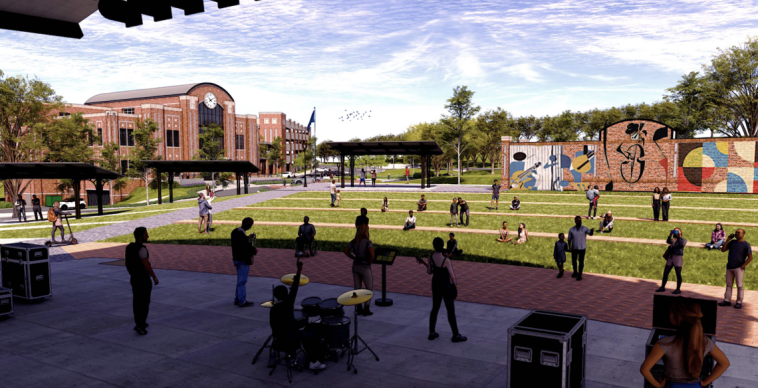
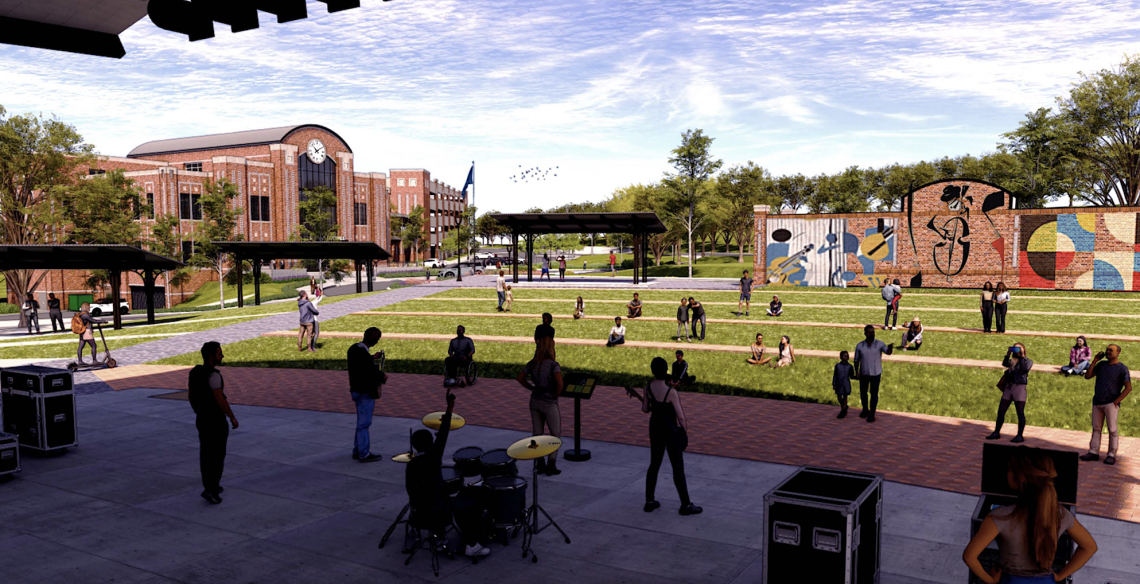
The project, spurred by a comprehensive 2050 plan, is set to redefine Dacula’s downtown landscape by providing a centralized hub for government, social gatherings, and diverse private uses. With a new City Hall, expansive greenspaces, an outdoor amphitheater, and a mixed-use parking facility, the initiative is more than just construction—it embraces a vision to make Dacula a walkable, lively downtown center.
From Railroad Roots to Modern Metropolises
The history of Dacula, rooted in the late 1890s, adds an extra layer of character to this urban makeover. Originally named by blending “Decatur” and “Atlanta” – two key destinations along the railroad – this community has long been a crossroads for transit and conversation. Today, as the population nearly doubles since the 2010 census, the city’s redevelopment takes on even greater significance.
In many ways, the efforts to build a walkable downtown echo the town’s historic role as a meeting place. However, the modern flavor of the project reflects current trends: a push toward smart planning, sustainable growth, and design that nurtures community ties while embracing modern conveniences.
Smart Urban Planning in Small Cities
In planning projects of this scale, there are often many tricky parts and tangled issues to manage. The design of Dacula City Hall, for example, is more than a building—it serves as an anchor to rally the community. The challenge here is to balance historical references with contemporary design, all while ensuring that the new facilities are fully functional for the growing population.
Key aspects of this project include:
- Public Infrastructure: The new City Hall will serve as both a governance hub and a gathering space. Its placement adjacent to large greenspaces speaks to a desire to make civic engagement as natural a part of life as a stroll in the park.
- Connectivity: Linking the institutional space with ample parking and easy access to the main thoroughfares—including Ga. Highway 316, the main artery between metro Atlanta and Athens—is critical to ensure accessibility for residents and visitors alike.
- Sustainability: The design integrates open-air public spaces such as an amphitheater, which will host community events and serve as a beacon of local culture.
Despite the seemingly nerve-racking number of moving pieces, planners are taking a measured, thoughtful approach. By using feedback from the 2050 Comprehensive Plan, city leaders have made sure that the final design addresses the subtle bits that often make a big difference in day-to-day life.
Economic Boost Through Walkable Downtowns
Many small towns are rethinking how they manage urban growth, and Dacula is no exception. With suburbs across metro Atlanta actively competing for commercial and retail investments, a well-planned downtown can serve as a magnet for economic benefits.
There are several key benefits to establishing a walkable, centrally-located downtown:
- Increased Local Spending: With more foot traffic and an inviting environment, local shops and eateries have a super important opportunity to attract customers.
- Pressure Relief on Commuters: With a centralized hub, residents can get around on foot or by bike, reducing the congestion on major highways and smoothing out daily commutes.
- New Business Opportunities: The mix of retail, office, and dining options could spur entrepreneurial ventures, creating jobs and fostering innovation.
- Enhanced Quality of Life: A lively downtown encourages community cohesion and provides residents with easily accessible spaces for both work and play.
While the process can seem intimidating and full of tricky parts, the overall approach is one rooted in incremental progress. The initial phase, opening in 2027, marks the public face of Dacula’s downtown. In subsequent phases, private investments will soon follow, leading to an integrated network of businesses that complement the civic spaces.
Placemaking in Suburban Communities
One of the most exciting aspects of the Dacula City Core Project involves the idea of placemaking – intentionally designing spaces that foster community spirit and interaction. As urban communities evolve, local governments are realizing that aesthetically pleasing spaces are not just decorative but essential to building long-lasting bonds between residents.
The project’s plan envisions the following elements to increase placemaking:
| Feature | Description |
|---|---|
| City Hall | A modern civic center that not only houses government services but also acts as a community gathering spot. |
| Greenspaces | Large open areas designed for relaxation, community events, and outdoor activities. |
| Amphitheater | An open-air venue that encourages local arts, performances, and public gatherings. |
| Parking Deck | A facility with over 200 spaces designed to be directly connected to City Hall, designed for easy access and convenience. |
All these elements are carefully interwoven with the fine points of modern urban design. Community input has played a key role in deciding where these features are positioned, and local planners promise to continue fostering transparent, open dialogue as improvements roll out.
The Impact on Local Business and Industrial Manufacturing
Local business owners, particularly those in the industrial manufacturing and automotive sectors, have much to gain from the new urban centrality. By creating a vibrant downtown, the city is poised to boost investments and improve the overall quality of life. This in turn can create a more conducive environment for businesses that rely on a steady flow of customers and engaged residents.
Important benefits for local business include:
- Greater Visibility: A centralized downtown with modern public spaces will attract more visitors, which is great news for retail, dining, and even service-based industries in the area.
- Improved Infrastructure: When a city plans ahead for future growth, even the industrial manufacturing sector benefits from better transportation and communication networks.
- Community Integration: Business owners are increasingly aware that local consumers are drawn to areas that feel connected and safe. Placemaking helps build loyalty and regular patronage.
Many small business owners have noted that while the process of converting old infrastructures into innovative community spaces is loaded with issues, it ultimately creates a more resilient local economy. They believe that the new downtown will not only redefine the physical landscape of Dacula but will also enhance its economic stability over the long haul.
The Role of Electric Vehicles and Green Transportation
Another interesting side of the Dacula redevelopment is its potential role in advancing green transportation. With Ga. Highway 316 serving as a busy corridor between Atlanta and Athens, there is an opportunity for the city to get into innovative sustainability practices, including the incorporation of electric vehicle (EV) support infrastructure.
Key considerations in this area include:
- EV Charging Stations: By integrating charging stations into new parking facilities, Dacula can signal its commitment to modern, cleaner transportation technologies.
- Pedestrian-Friendly Design: A walkable downtown coupled with safe biking paths can reduce the dependence on cars, thereby lowering carbon emissions.
- Sustainable Construction: The design teams are considering green building techniques to minimize the environmental impact during construction and long after the project is completed.
With such essential components in place, Dacula is setting the stage for a future-ready downtown that not only respects its historical roots but also paves the way for sustainable growth in an increasingly environmentally aware world.
Business Tax Laws and Economic Incentives
An often-overlooked aspect of urban redevelopment is the array of economic policies and tax laws that help drive such ambitious projects forward. For a growing community, favorable business tax laws and economic incentives can make all the difference in encouraging private investment. At a time when navigating the maze of government regulations can be overwhelming, clear rules and incentives ensure that developers and local businesses can figure a path toward mutual benefit.
Some economic incentives that could play a role include:
- Tax Breaks for New Investments: Such measures can ease the nerve-racking process of setting up new enterprises in an emerging downtown district.
- Subsidies for Green Initiatives: With a push toward sustainable transportation and infrastructure, subsidies could help offset the costs of adopting green technologies.
- Streamlined Permitting: Faster permitting processes remove the tangled issues usually associated with large-scale construction efforts, allowing projects to progress smoothly.
These incentives are often critical in transforming ambitious redevelopment plans into reality. While the business tax environment can sometimes seem intimidating due to its myriad of tricky parts, a well-structured support system will be a super important asset as Dacula steps into this new era of growth.
Community Sentiment and Local Engagement
Beyond the economic and infrastructural improvements, the heartbeat of the Dacula City Core Project lies in its ability to forge stronger community bonds. Residents have long desired a central meeting place—a space where the community can come together, share ideas, and celebrate local achievements. Today, this tangible desire is on the verge of being addressed.
Community engagement has manifested in several ways:
- Public Hearings and Workshops: These sessions have allowed residents to poke around the plans, ask questions, and offer feedback, ensuring the project reflects the community’s needs and values.
- Local Business Involvement: Entrepreneurs and store owners have been actively represented in planning discussions, ensuring that retail and service sectors are considered in every decision.
- Transparent Communication: Regular updates and clear information are being provided by local leaders, making the process of getting through the project’s many complicated pieces an inclusive and straightforward experience.
By inviting community input, Dacula is reinforcing that even when facing the twists and turns of large-scale planning, the small distinctions—a community’s likes, needs, and hidden complexities—make all the difference. This collaborative approach is a shining example of how urban planning can be both innovative and inclusive.
Addressing the Tricky Parts: Design and Implementation
Every ambitious redevelopment project contains its share of confusing bits and challenging design decisions. In Dacula’s case, some of the most nerve-racking issues involve balancing historical preservation with the need for modern, flexible spaces. Planners have had to figure a path that honors the town’s rich heritage while ensuring infrastructure is practical enough to support future growth.
Some of the detailed challenges include:
- Integration with Existing Infrastructure: Ensuring that the new facilities connect seamlessly with established roads and utilities without disrupting local businesses.
- Preserving Historical Identity: While modernizing, it remains essential to keep the town’s unique character intact—something that many residents cherish deeply.
- Budget Management: Balancing a robust public investment with realistic budgets can be daunting, especially when economic conditions are unpredictable.
These tricky parts require a flexible mindset and a willingness to take a closer look at every small twist and turn in the plan. Urban planners are working diligently with local architects and engineers to steer through these challenging sections by breaking down the process into manageable, incremental steps.
Marketing the Vision: A Strategic Blueprint for Success
No urban redevelopment project can succeed without an effective narrative. How a city markets its vision for a renewed downtown is super important for attracting the necessary investment and public support. In Dacula, the marketing strategies have been designed to highlight both the historical charm and the forward-thinking, modern amenities of the project.
Key components of the marketing strategy include:
- Storytelling: Emphasizing Dacula’s unique past and the natural evolution toward a vibrant downtown. Local narratives help residents feel connected to the project.
- Digital Outreach: Social media campaigns, virtual tours, and interactive maps help diffuse information quickly and reach a broad audience.
- Engaging Visuals: Renderings and conceptual plans allow the community to visualize the future, turning abstract plans into relatable ideas.
This creative marketing campaign is aimed at not only drawing investor interest but also at reassuring residents that every step of the development process is being handled with an eye for both beauty and functionality.
A Look at the Road Ahead
With planning underway and construction set to break ground in the very near future, there is a palpable sense of anticipation throughout Dacula. Every stakeholder—from city planners to local business owners, and from residents to investors—is keeping a keen eye on how the project unfolds over the coming years.
While the endeavor is off-putting in its sheer scale and the occasional nerve-racking details, it is also imbued with optimism about what the future holds for Dacula. The project is not just about bricks and mortar; it is about weaving together a stronger, more connected community built on shared values and a promising future.
Practical Insights and Takeaways for Other Cities
Dacula’s approach provides useful lessons for other small cities grappling with similar challenges. Here are some essential takeaways for communities considering similar urban revitalization efforts:
- Engage Early and Often: Public consultations and workshops ensure that the planning process is inclusive and that every small distinction in opinion is valued.
- Plan in Phases: Breaking down an overwhelming project into digestible phases can make the process more manageable, allowing for adjustments as each stage is completed.
- Blend Old with New: Preserving historical elements while embracing modern solutions caters to both longtime residents and future generations.
- Prioritize Multimodal Access: Incorporating walkability, biking, and electric vehicle infrastructure enhances the overall accessibility of the downtown area.
- Use Transparent Communication: Keeping the public informed about project milestones and challenges helps build trust and encourages community investment.
These points, though seemingly simple, require careful attention to detail—the kind that only comes from working through several rounds of feedback and refinement. Every community that embarks on a similar journey must be prepared to sort out the many twists and turns that come along the way.
Looking to the Future: Economic and Social Growth
As Dacula’s population continues to rise—from 4,173 in 2010 to over 8,151 currently, with projections estimating more growth by 2040—the demand for a centralized downtown area becomes even more critical. Not only is this growth a sign of economic vitality, but it also calls for public spaces that can support a vibrant social and economic ecosystem.
With four major subdivisions and a multifamily community already under construction, the future looks bright for local real estate and community life. The city’s strategic emphasis on developing a walkable, livable downtown underscores its commitment to crafting spaces that are both welcoming and practical for an ever-growing, diverse population.
To sum it up, the Dacula City Core Project is setting the stage for a major urban renaissance that promises to deliver benefits that go well beyond aesthetics. It provides a blueprint—though not without its tricky parts—for how small cities can take calculated risks, invest in public infrastructure, and ultimately create a more resilient, united community.
Conclusion: Embracing the Future with Clear Intentions
In the end, Dacula’s ambitious downtown redevelopment project represents more than just infrastructure improvements. It is a moment of transformation that reflects the aspirations of an entire community. By addressing the complicated pieces, working through the hidden complexities, and planning with the future in mind, Dacula is poised to become a model for other small cities striving to enhance their local identity and economic potential.
Every stakeholder, from local business owners to community members, has a role to play in ensuring that this bold vision becomes a reality. The careful blend of historical charm with modern amenities stands as a testament to the power of inclusive, forward-thinking urban planning.
As construction gears up and the first phase of public facilities prepares to open, the city’s residents can look forward to a space that is safe, inviting, and poised to cultivate strong community ties for years to come. Despite the nerve-racking challenges ahead, there is an undeniable excitement in the air—a promise that Dacula is not just building a downtown, but is sculpting a future that is bright, accessible, and enriched by a shared sense of purpose.
Originally Post From https://atlanta.urbanize.city/post/dacula-city-core-development-images-gwinnett-walkable-downtown-start-construction
Read more about this topic at
Coming Soon: Dacula City Core
Dacula, Georgia