
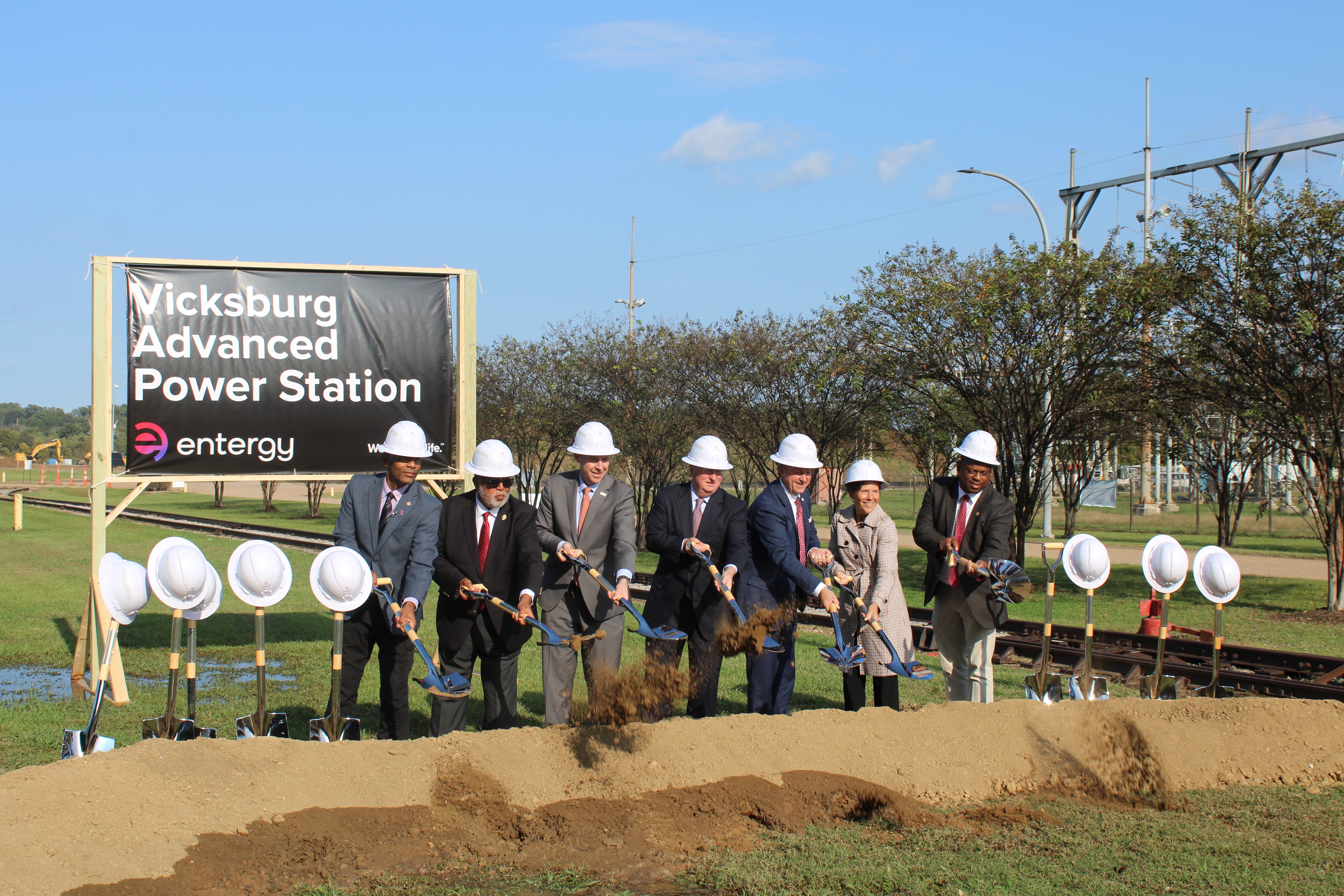
Mississippi’s Bold Leap into the Future of Power Generation
The groundbreaking of a new $1.2 billion advanced power plant in Vicksburg marks a stirring moment for Mississippi’s energy landscape. As Entergy embarks on this ambitious project, the state finds itself at the crossroads of technology, economic development, and environmental stewardship. The transformation of an aging facility—the former Baxter Wilson Steam Electric Station—into a 754-megawatt combined-cycle combustion turbine facility represents not only a significant upgrade in generating capacity but also a major statement about the direction of our energy future.
Local officials and industry leaders alike see this new facility as a cornerstone in reshaping the grid infrastructure that serves 45 counties, 385,000 homes, and 460,000 customers. The promise of modern technology, greater fuel flexibility, and a reduction in environmental impact forms the backdrop for what many describe as a turning point in industrial manufacturing and business investment in Mississippi.
Reimagining the Grid: A Turnaround for Infrastructure and Community Welfare
Entergy Mississippi, under the leadership of President and CEO Haley Fisackerly, is steering the state’s grid into a future defined by efficiency and sustainability. By integrating advanced technology and innovative fuel-switching capabilities—such as the potential use of hydrogen—the new plant is set to invigorate not only the local power supply but also the broader economic and industrial ecosystem. In a region where updates to infrastructure have often presented tricky parts and tangled issues, this project emerges as a beacon of hope in managing your way through the complications of outdated systems.
Transforming a decommissioned power plant is no small feat, and it involves navigating the subtle parts of environmental regulations, community adjustments, and technological adaptations. The modern facility is designed to be up to 40% more efficient from a fuel perspective, using significantly less water—about 90% less, thanks to an air-cooling technology that has been carefully integrated to minimize resource consumption.
This commitment to efficiency not only reduces ongoing operational costs but also has broader ramifications on state resources and environmental sustainability. The introduction of carbon capture capability, for example, is a nod to the urgent need to curb emissions. When economic conditions favor it, an adjacent carbon capture facility could be built to capture CO2 off the stack, creating an opportunity for Mississippi to join the ranks of states leading the charge on clean energy.
Creating Jobs and Strengthening Local Economies
One of the most exciting outcomes of the new power plant is the creation of at least 560 construction jobs—a figure that signals robust economic development for Mississippi. Beyond construction, the ripple effects of this project are expected to permeate various sectors from industrial manufacturing to local services, invigorating communities and bolstering the economic landscape.
The influx of jobs presents a welcome change in an economy that must often find its way through a maze of tricky labor market shifts and evolving industrial demands. The plant is more than a power generator; it is a community development engine that will uplift the region through increased economic activity, better job opportunities, and an overall healthier business climate.
Moreover, the substantial fuel cost savings—estimated to exceed $700 million—offer a dual benefit: reduced operating expenses and lower bills for consumers. In an era when communities are searching for ways to stabilize economic shocks and unpredictable market forces, this project instills a sense of confidence that Mississippi’s energy sector is poised for a resilient future.
Clean Energy and Environmental Advancements: A Closer Look at New Technologies
The environmental implications of this new facility are as significant as its economic and technological benefits. Initially powered by natural gas, the plant is equipped with the flexibility to switch to hydrogen should the opportunity arise. This fuel-switching capacity is a strategic move meant to future-proof the plant against evolving environmental policies and fuel market dynamics.
Here are some of the key environmental benefits of the project:
- Fuel Efficiency: The facility boasts a 40% improvement in fuel efficiency, a significant upgrade that promises to lower both operational costs and emissions.
- Water Conservation: By employing air-cooling technology, the new plant consumes 90% less water than conventional plants, alleviating pressure on local water resources and preserving natural habitats.
- Carbon Capture Possibilities: With built-in capabilities for carbon capture, the project is on track to reduce CO2 emissions when conditions are right, paving the way for environmentally conscious energy production.
These features illustrate how new technology can help us overcome the intimidating challenges presented by legacy energy facilities. By integrating modern engineering solutions, Entergy is setting an example for how legacy industrial sites can be reimagined to meet the demands of today’s environmental standards.
Economic Vitality: How Industrial Manufacturing Feeds Into Broader Growth
From an economic standpoint, the new power facility represents a key inflection point in Mississippi’s development narrative. Not only does the project promise to save customers hundreds of millions in fuel costs, but it also provides a much-needed boost to industrial manufacturing within the state—a sector that has been searching for ways to work through the tangled issues associated with aging infrastructure and stagnated growth.
Industrial manufacturing in Mississippi is likely to see an upswing in the following ways:
- Job Creation: Beyond construction, the ripple effects of a modern power plant extend to operational jobs and ancillary services that support the complex needs of a state-of-the-art facility.
- Business Tax Incentives: As state and local governments recognize the economic boon generated by such projects, there is strong potential for favorable business tax laws and incentives that spur further investment in industrial manufacturing and technological innovation.
- Supply Chain Updates: Modern facilities require advanced components and services, leading to updated supply chains that benefit local manufacturers and service providers.
A comparative table of the potential benefits illustrates the multi-layered advantage:
| Area Impacted | Traditional Facilities | New Advanced Plant |
|---|---|---|
| Fuel Efficiency | Standard Efficiency | 40% more efficient |
| Water Usage | High Consumption | 90% reduction using air cooling |
| Job Creation | Limited Growth | 600+ jobs across construction and operation |
| Environmental Impact | High Carbon Footprint | Carbon capture capabilities and cleaner fuel options |
This snapshot helps underline the multiple layers through which such investments not only improve energy production metrics but also bolster local manufacturing, streamline business operations, and create a more favorable environment for economic growth.
Electric Vehicles and the Future of Sustainable Transportation
While the primary focus of this project is on electricity generation, the implications for the electric vehicle (EV) sector and sustainable transportation in general are noteworthy. A robust, modern grid is a cornerstone of future mobility, particularly as EVs become ever more popular. Reliable and environmentally sound power generation is a must-have for supporting the charging infrastructure necessary for a wide-scale transition to electric mobility.
In many ways, the new power plant acts as an upstream catalyst for the broader adoption of electric vehicles. The cleaner energy it promises will help allay concerns about the carbon footprint associated with EV charging, making them even more attractive to consumers and businesses alike. This ripple effect extends to:
- Reducing Operational Costs for Charging Stations: Efficient power plants that curb fuel costs can translate into lower electricity bills for charging networks.
- Enhancing Grid Reliability: A modern grid that can handle advanced turbine technologies is better equipped to manage the increasing demand from EV charging, thereby supporting a safer and more reliable energy supply.
- Stimulating Technological Innovation: As the energy production sector moves forward with advanced technologies, similar innovations are bound to filter through to the transportation sector, fostering integrative advancements in EV tech and renewable energy storage.
In essence, the new power plant is a piece of the larger puzzle in transitioning to a low-carbon economy, where clean, reliable power underpins all sectors—from home energy use to transportation and industrial manufacturing. This integration of modern power infrastructure with the EV revolution illustrates how interconnected and essential these initiatives are for long-term sustainable growth.
Managing the Tricky Parts: Overcoming the Challenges of Technological Upgrades
Any large-scale infrastructural upgrade is not without its intimidating or nerve-racking challenges. In the case of replacing a legacy facility, the task involves more than just demolishing an old station and erecting a new structure. It requires substantial planning, regulatory navigation, and a coordinated effort among multiple stakeholders. The financial commitment, logistical hurdles, and technical adjustments are all factors that demand a careful, thoughtful approach.
Here are some of the tricky parts that must be managed effectively to ensure the success of such projects:
- Regulatory Compliance: Adhering to strict environmental and safety regulations is essential. The process involves working through confusing bits of legal requirements and finding a path that satisfies all state and federal mandates.
- Stakeholder Coordination: Multiple parties—government officials, local communities, industry partners, and environmental groups—must find a way through the tangled issues of public policy and corporate interests to reach a common goal.
- Financial Oversight: With a price tag of $1.2 billion, financial management and transparency become key. Managing the budget and ensuring that projected savings, such as the estimated $700 million in fuel cost reductions, are realized requires diligent oversight.
By carefully addressing these challenges, Entergy is not only setting a high benchmark for future projects but also providing a blueprint for overcoming the intimidating twists and turns associated with modernizing essential infrastructure.
Political Endorsement and Public Sentiment: Voices from the State Leadership
No significant project in Mississippi garners attention without the keen interest of political figures who see it as a harbinger of economic reinvigoration. Governor Tate Reeves and Congressman Bennie Thompson attended the groundbreaking ceremony, lending their support to the vision of modern, clean energy that the new facility represents.
The political backing is critical in smoothing out the tricky administrative and societal issues that often come bundled with such massive industrial endeavors. Their involvement is not just ceremonial; it speaks to a broader policy initiative aimed at spurring economic growth and promoting sustainable practices state-wide. In the words of Governor Reeves, the announcement of two new generating facilities in the last 12 months is a clear indicator of the kind of economic growth that Mississippi is experiencing.
Such political endorsement also helps cultivate public trust in the project. When the community sees that high-level decision-makers are on board, it reduces the nerve-racking uncertainty that sometimes accompanies major industrial shifts. This trust is essential, especially given the substantial financial and environmental investments involved.
The Business Tax Outlook: Navigating Fiscal Incentives and Opportunities
The introduction of this advanced power plant arrives at a time when Mississippi is actively seeking strategies to transform its business tax laws and stimulate economic sectors that have long been on edge due to systemic challenges. By modernizing its energy infrastructure, the state sets the stage for possible incentives that could attract additional investments within both the industrial manufacturing and clean energy sectors.
Some fiscal benefits that may follow include:
- Tax Credits for Renewable Investments: As businesses in Mississippi transition towards greener energy solutions, tax credits and deductions could play an essential role in offsetting initial costs and stimulating further innovation.
- Enhanced Business Confidence: The knowledge that state-of-the-art infrastructure is in place can encourage other businesses to invest in their operational capabilities, potentially leading to secondary job creation and economic expansion.
- Increased Competitiveness: With lower operational costs due to fuel savings and environmental efficiencies, Mississippi-based companies can position themselves more competitively both on a national and international scale.
State officials are likely to collaborate with local businesses, regulatory entities, and tax experts to ensure that the transition to new energy technologies aligns with fiscal policies designed to nurture regional industrial growth. This alignment is critical, as it helps steer through the complicated pieces of economic policy and fiscal responsibility.
Environmental Concerns and the Push for Cleaner Power
The advanced power plant stands as a testament to the progress that can be achieved when innovation meets responsibility. While the project is primarily powered by natural gas, its readiness to adapt to cleaner fuels—especially hydrogen—places it at the forefront of environmental technology. In a period when climate change discussions are full of problems and the fine points of carbon reduction are under scrutiny, this project promises a more sustainable operational model with its built-in capabilities for carbon capture.
Key environmental advantages include:
- Reduced Water Usage: With 90% less water used through air cooling, the plant addresses one of the key environmental challenges faced by traditional facilities.
- Lower Emissions: Enhanced fuel efficiency means that, even with a natural gas base, the plant emits considerably fewer pollutants compared to older models.
- Future-Proof Design: The ability to switch fuels to hydrogen not only adapts to emerging technologies but also signals a commitment to cleaner, long-term operational practices.
These environmental initiatives are likely to encourage further innovations in power production while also fostering a climate of sustainable development across the state. The environmental benefits, when stacked against the economic advantages, create a compelling argument for a future where Mississippi leads in green industrial practices.
Industrial Manufacturing Boost: A Catalyst for Broader Change
This new power plant, while primarily an energy project, holds significant implications for the industrial manufacturing landscape in Mississippi. A modern, efficient, and environmentally friendly power source is fundamental for industries seeking to grow and modernize their operations. As manufacturing processes become increasingly dependent on reliable high-performance energy, the role of a state-of-the-art plant becomes super important.
By ensuring a consistent and cost-effective energy supply, the plant paves the way for:
- Increased Production Capacities: Lower energy costs and more reliable power enable manufacturers to scale operations without the nerve-racking uncertainties of energy supply interruptions.
- Attracting New Investments: Industries looking for a solid foundation to build new factories or offices are likely to consider Mississippi a more attractive option given the modern grid infrastructure.
- Upgrading Existing Facilities: Established companies can invest in upgrading their own operations, knowing that the local energy source is both advanced and future-focused.
In effect, the power plant acts as an industrial lifeline, addressing many of the subtle parts that have held back growth in sectors that are otherwise ready to explode with new innovation. It opens up opportunities to dig into new levels of productivity and economic growth that were hard to imagine just a few years ago.
Looking Ahead: Future Proofing Energy and Economic Strategies
The Vicksburg project is an important precursor to what many view as the next era of power generation. With a clear focus on efficiency, flexibility, and sustainability, Entergy is planting the seeds for a more resilient energy infrastructure that can weather the unpredictable twists and turns of the global energy market.
The forward-thinking approach to designing a facility that can switch fuels when necessary, incorporate modern carbon capture technologies, and drastically reduce water usage illustrates a pragmatic solution to many of the tricky parts associated with legacy power plants. These characteristics not only provide immediate benefits for the state’s grid but also set the stage for continual improvements and upgrades that can adapt to changing environmental policies and market conditions.
The strategic advantage is clear: a facility built today with tomorrow in mind can create sustainable economic growth. From saving customers over $700 million in fuel costs to promoting cleaner energy practices, each element of this project contributes to a broader vision of a dynamic, resilient Mississippi. This project is more than just a power plant; it is a recalibration of how we think about energy infrastructure and its role in driving economic progress.
Public and Business Confidence: The Broader Impact on the Region
Public sentiment around the project has been mostly positive, especially among those who recognize the transformative potential it brings to Mississippi’s energy and economic landscapes. Business leaders are encouraged by the prospect of reduced energy costs and enhanced operational capacities, while environmental advocates appreciate the project’s forward-thinking approach to clean energy.
Moreover, the involvement of key political figures reassures the public that the state is serious about investing in future technologies. Positive headlines and community engagement initiatives that accompany the groundbreaking help build momentum, turning potential public skepticism into broad-based support for new developments.
This wave of confidence is essential for managing your way through the uncertainties that often accompany major infrastructural projects. When both the public and business communities see a clear roadmap for success—marked by job creation, economic improvements, and enhanced energy efficiency—it fosters a collaborative spirit aimed at making Mississippi a leader in modern power generation.
Lessons Learned: Navigating Complex Transitions and Future Challenges
As Mississippi stands on the cusp of a transformative period in energy production, there are several lessons to be learned from this ambitious project. First, the importance of aligning technological upgrades with community and regulatory demands cannot be overstated. Managing your way through the numerous subtle details—from financial oversight to environmental compliance—requires a robust strategy and a commitment to innovation.
Lessons from the Vicksburg project include:
- Integrated Planning: Success hinges on coordinating efforts among government, industry, and community leaders—all working together to figure a path forward despite the nerve-racking challenges.
- Flexibility in Design: Engineering a facility that can adapt to different fuel types ensures longevity and relevance as energy markets evolve.
- Community Involvement: Transparency and sustained dialogue with affected communities build trust and ensure that the benefits of modernization are widely shared.
- Fiscal Responsibility: Meticulous budget oversight ensures that large-scale investments yield long-term savings and positive economic outcomes.
By taking a closer look at these aspects, it becomes clear that the project is as much about economic strategy as it is about technology. Every new facility carries with it a set of challenges and opportunities; learning to sort out these issues effectively is key to ensuring continued progress and growth in the near future.
In Conclusion: Charting a Sustainable Course for Mississippi’s Energy Future
The new advanced power plant in Vicksburg is a testament to what can be achieved when communities, business leaders, and policymakers get into the nitty-gritty of modern technological solutions. It is an inspiring blend of economic development, industrial modernization, and environmental responsibility. With promises of substantial fuel savings, a significant number of new jobs, and a clear commitment to cleaner energy sources, this project charts a sustainable course for Mississippi’s future.
While the road ahead may still be full of problems and laden with tension, the successful execution of this project is a confident signal that our state is prepared to tackle the overwhelming complexities of a modern energy ecosystem. The lessons learned, the investments made, and the partnerships formed through this effort will likely serve as a model for future projects, both within Mississippi and beyond.
As we take a closer look at the broader implications—ranging from economic policy adjustment and industrial manufacturing boosts to the burgeoning potential in the electric vehicles sector—one thing is clear: innovation paired with a commitment to community welfare and environmental responsibility can transform even the most challenging bits into opportunities for growth and revitalization.
Mississippi, with this new power plant, is not merely keeping pace with a rapidly changing world—it is setting the stage to lead it. The convergence of advanced energy technologies, supportive political frameworks, and robust economic planning offers a blueprint for success. In embracing this transformative initiative, Mississippi is proving that with thoughtful planning, collaborative effort, and innovative technology, we can figure a path through even the most complicated pieces of modern industrial challenges, ensuring a resilient and prosperous future for all.
Originally Post From https://www.mpbonline.org/blogs/news/entergy-breaks-ground-on-12-billion-advanced-power-plant-in-vicksburg/
Read more about this topic at
Data-driven futures: Revolutionizing energy infrastructure
Automated route planning for underground transmission …
