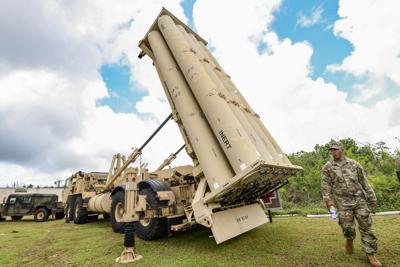

Defending Guam: A Military and Economic Perspective
The recent announcement of a $295 million contract to construct a command center in Guam has sparked discussions not only in defense circles but also in industrial manufacturing, small business, and economic policy communities. This initiative, undertaken as part of a broader Guam Defense System, brings together a multi-service effort from the Missile Defense Agency, Army, Navy, and Air Force. In this editorial, we take a closer look at the various dimensions of this project, ranging from its military underpinnings to its far-reaching economic implications.
At its heart, the project is a response to an evolving threat environment dominated by emerging missile technologies and rapid modernization initiatives by adversaries. This comprehensive air and missile defense umbrella is designed to protect Guam—a strategic U.S. outpost hosting military bases and 170,000 U.S. citizens and servicemembers—from a host of potential threats. Yet, the contract announcement is also a signal of how government spending in defense may stimulate industrial sectors, boost small business involvement, and reshape regional economic dynamics.
Understanding the Strategic Importance of Guam
Guam has long been recognized as a critical pivot point in the Indo-Pacific region. With major military hubs such as Andersen Air Force Base and Naval Base Guam, the island serves as an essential platform for projecting American power. The defensive project, centered on the new command facility, underscores why Guam is a cornerstone in the nation’s security strategy. It also highlights how regional military dynamics must be managed carefully through innovative defense programs.
At the same time, this development opens up opportunities for local and national businesses to be part of a broader supply chain network. Contractors working on the project—like Core Tech-HDCC-Kajima LLC and its parent company, Core Tech—are not only executing the design and construction of the command center but also building essential infrastructure such as power generation facilities, fuel storage, and entry control points. These elements, though they might appear as small, individual components, when combined reveal a picture filled with many tricky parts and tangled issues that require careful coordination.
Economic Impacts and Opportunities for Small Businesses
This massive contract comes at a time when discussions about government spending, industrial manufacturing, and economic growth are at the forefront of policy debates. Defense spending of this scale provides a substantial economic boost, influencing sectors that extend well beyond military applications. For small businesses operating in industrial manufacturing and related fields, the contract presents a chance to participate in projects that offer a stable pipeline of work.
Here are some key ways the project will likely encourage economic activity:
- Integration with local supply chains that support construction and technology deployment
- Opportunities for small and medium-sized enterprises to collaborate with large defense contractors
- Growth in high-skill jobs as the project demands advanced engineering and technological expertise
- Increased investments in research and development for defense technologies, with spillover benefits to non-military manufacturing
These benefits are not without their tricky parts, however. Often, smaller companies may find it intimidating and nerve-racking to compete against well-established contractors and navigate federal procurement processes. Nevertheless, strategic partnerships and clear communication from government agencies can help mitigate these challenges, ensuring benefits are widely distributed through the industrial sector.
Industrial Manufacturing and Technological Innovation
The construction of a sophisticated command center, along with auxiliary systems such as power generation and fuel storage, requires cutting-edge technologies and innovative manufacturing practices. In many ways, the project is a microcosm of how industrial manufacturing must evolve to meet modern requirements for speed, resilience, and technological sophistication.
According to insights from industry experts, projects like these drive technological innovation in several ways:
- Encouraging the adoption of new technologies in construction and infrastructure management
- Driving forward research and development in missile defense and detection systems
- Multiplying opportunities for collaboration between defense agencies and commercial tech firms
- Catalyzing improvements in coordination among various defense components (such as the Navy’s Aegis Combat System and the Army’s Integrated Battle Command System)
This is not merely about erecting buildings—it is about creating systems that allow the military to respond quickly to emerging threats. The command center will eventually serve as a linchpin, managing operations that currently involve an intricate tapestry of sensors, interceptors, and control systems. In trying to get into the technological finer points of these systems, one cannot ignore the complicated pieces inherent in integrating different models of operations.
Challenges and the Tricky Parts of Coordinated Military Efforts
In defense projects that involve multiple branches of the military, there are always twists and turns that add layers of complexity. The Guam Defense System is no exception. Coordinating efforts between the Missile Defense Agency, U.S. Army, U.S. Navy, and U.S. Air Force involves reconciling different operational doctrines, communication systems, and command structures.
Some of the nerve-racking challenges include:
- Ensuring real-time communication and data sharing across diverse defense platforms
- Harmonizing various command and control systems into one seamless interface
- Finding your way through bureaucratic and regulatory requirements that may slow down implementation
- Addressing the small distinctions in tactical and operational strategies that each military branch brings to the table
While these factors can seem overwhelming for those working on the project, they also lead to important lessons about cooperation, accountability, and the need for efficient management practices in multi-agency initiatives. Rather than focusing solely on potential pitfalls, one should also acknowledge the robust pre-planning and extensive testing that have helped shape this significant defense upgrade.
Integration of Advanced Missile Defense Technology
One striking aspect of the Guam Defense System is its reliance on sophisticated missile defense systems such as the SM-3 and SM-6 interceptors, supported by additional systems like the Terminal High-Altitude Area Defense (THAAD) launchers. The integration of these systems is a clear indication that U.S. defense policy is committed to addressing a full spectrum of airborne threats.
Even though the project might be loaded with problems related to coordination and integration, it represents a major leap in technological capability. The system is designed to bring together the capabilities of various platforms, including those that rely on the Navy’s advanced Aegis Combat System and the Army’s Integrated Battle Command System. By combining these resources into a unified command center, defense planners aim to steer through potential vulnerabilities and get around the tricky parts associated with multi-layered defense strategies.
This state-of-the-art system underscores several important principles:
- The necessity of using advanced electronic and communication networks in modern defense infrastructure
- The blending of old and new technologies to create robust, responsive defense solutions
- A multi-layered approach that ensures redundancy and broad coverage across multiple threat vectors
- The positive impact on R&D investments that drive innovation across both military and civilian sectors
Understanding these elements helps policymakers and the public appreciate not only the military value of the project but also its capacity to spark innovation across diverse industrial sectors.
Implications for Regional Security and Global Power Dynamics
It is essential to consider the broader context in which the Guam Defense System is being developed. As U.S. military power navigates an increasingly uncertain strategic environment, the project is a clear reminder that defense spending goes hand-in-hand with diplomatic and military initiatives around the world. The island’s proximity to potential adversaries such as China and North Korea intensifies the need for a reliable, all-encompassing defense solution.
This situation is intricately tied to global power dynamics. As adversaries continue to modernize their arsenals with hypersonic, ballistic, and cruise missiles, the U.S. must be prepared to respond with countermeasures that not only protect its territories but also reassure allies. The Guam contract is also a subtle indicator of how military investments serve as a deterrent, sending a clear message that U.S. capabilities are continuously being updated to meet evolving threats.
There are some significant geopolitical twists and turns that warrant discussion:
- The need for increased interoperability between U.S. military branches and coalition partners
- The potential redirection of funds from traditional defense projects to multi-domain integrated solutions
- Adjustments in defense strategies as new missile technologies force planners to rethink established doctrines
- The ripple effects on international arms control negotiations and bilateral defense commitments
For observers of international relations and defense policies, projects like these provide a window into the fine balance between deterrence and diplomacy. While the immediate focus is on protecting Guam, the longer-term implications could reshape military alliances and competition on a global scale.
Government Contracting and the Role of Private Sector Innovation
The awarding of this $295 million contract highlights the influential role that private companies play in national defense. In this case, Core Tech-HDCC-Kajima LLC, a subsidiary of Core Tech, is at the helm—a company with a commendable record in handling previous military construction projects. Such partnerships are not new, but they represent an ever-evolving form of collaboration between the government and the private sector.
Private contractors bring flexibility, innovation, and efficiency to traditionally bulky bureaucratic processes. Yet, they also face competing challenges:
- Making your way through complex federal acquisition protocols
- Aligning diverse company practices with stringent defense requirements
- Building confidence with the government through transparent project management practices
- Ensuring that long-term projects remain on schedule and within budget despite unexpected hurdles
These aspects, while off-putting for some, also create a fertile ground for innovation. Private firms are at the cutting edge of industrial manufacturing and technology deployment—a fact that is central to delivering defense projects in an increasingly sophisticated threat landscape. By pooling resources, knowledge, and technological know-how, these companies have proven they can figure a path to success even when the road ahead is full of confusing bits and unexpected challenges.
Potential Technological Breakthroughs and Future Trends
Looking forward, the Guam Defense System project may very well be seen as a springboard for numerous technological breakthroughs in both the military and civilian sectors. Experts predict that the innovations in missile interception, integrated command systems, and advanced communication networks will stimulate a range of downstream effects. These could include improvements in digital infrastructure, smarter energy management systems for critical facilities, and even more agile strategies for disaster management.
Consider the following potential developments:
| Area | Potential Innovation | Economic Benefit |
|---|---|---|
| Missile Defense Interceptors | Enhanced detection and faster launch response | Increased military readiness and reduced risk exposure |
| Command and Control Integration | Unified platforms that integrate multiple defense systems | Operational efficiency and reduced operational costs |
| Power Generation and Infrastructure | Resilient, smart grid technologies tailored for military use | Long-term energy savings and commercial spin-offs into civilian infrastructure |
| Fuel Storage Technologies | Advanced materials ensuring greater safety and durability | Reduced maintenance costs and enhanced operational uptime |
Even if some of these developments seem loaded with problems initially, the opportunity for cross-industry collaboration is enormous. Government and private industry partnerships stand to gain from pursuing research and development efforts that have practical applications in a variety of fields. This dynamic could lead to a proliferation of innovative solutions that address the little twists of modern warfare while also offering benefits to non-military enterprises.
Building Resilience: Learning from Past Defense Initiatives
To appreciate the significance of the Guam Defense System, it is helpful to review previous defense measures in the region. Historically, Guam’s defense posture evolved significantly after the Terminal High-Altitude Area Defense (THAAD) deployment in 2013—a move originally aimed at addressing North Korean threats. However, as the threat landscape shifted with new missile technologies emerging from adversarial nations, the need for a comprehensive and dynamic approach became clear.
This historical progression highlights several key lessons:
- The importance of early technological adoption and adaptation
- Learning from the nerve-racking experiences of earlier deployment challenges
- Capitalizing on a multi-layered approach that integrates different defense systems
- Addressing the subtle parts of coordinating a large-scale military defense strategy
By comparing earlier initiatives with the current Guam project, defense planners and policymakers can dig into strategies to improve system effectiveness. Modern projects must incorporate lessons from the past while adapting to new technological frontiers. In many ways, the Guam project embodies this evolution, setting a benchmark for how later projects can address both operational needs and economic opportunities.
The Role of Environmental and Regulatory Considerations
One aspect that often gets less attention in discussions of defense infrastructure is the role of environmental assessments and regulatory compliance. In a project as large as the Guam Defense System, ensuring that the environmental impact of construction and operation is minimized is both challenging and critical.
Key environmental and regulatory considerations include:
- Conducting thorough environmental assessments to minimize ecological impact
- Ensuring that power generation and fuel storage facilities adhere to strict safety standards
- Working with local regulatory bodies to align military projects with civilian community needs
- Preparing contingency plans for unexpected environmental challenges during construction
The government’s ability to work through these complicated pieces is vital for ensuring that large-scale projects do not adversely affect local habitats or the well-being of nearby communities. While these factors may seem like minor details compared to the broader military objectives, their impact can be significant over time. Authorities must find your way through these issues with a careful balance of operational urgency and environmental respect.
Policy, Budget, and the Future of Defense Spending
The Guam Defense System project also raises important questions about defense budgeting and government spending priorities. With defense budgets under intense scrutiny, every dollar allocated carries not only a direct financial implication but also a broader political and economic signal. The $295 million contract is more than just a line item on a budget—it is a statement about where U.S. priorities lie in an age of rapid technological change and uncertain global threats.
This aspect of the project touches on several critical policy issues:
- The allocation of public funds in a manner that sparks technological innovation and industrial growth
- Balancing immediate defense requirements with long-term investments in infrastructure and technology
- Ensuring that the benefits of such large investments reach a wide range of sectors—from small businesses to major industrial players
- Adjusting the regulatory environment to keep pace with technological advancements while maintaining high safety standards
Although budgeting for defense can be intimidating and sometimes overwhelming, the benefits of these investments often ripple out, reinforcing not just national defense but also stimulating economic sectors. A well-managed investment in defense infrastructure translates into research opportunities, growth in high-tech manufacturing, and improved competitive results in the private chemical, automotive, and engineering sectors.
Lessons for Small Business and Large Industrial Collaborators
Smaller companies and startups in the industrial and manufacturing sectors could stand to gain significantly from participating in new projects like the Guam Defense System. Although the federal contracting process may include several confusing bits and off-putting bureaucratic hoops, such ventures hold promise for generating new contracts, fostering innovation, and opening up international export opportunities.
Small businesses can focus on the following strategies to maximize their involvement:
- Building strategic partnerships with established defense contractors
- Innovating in niche areas such as advanced materials, specialized construction methods, or IT solutions for command center operation
- Leveraging government programs specifically designed to support small business participation in major infrastructure projects
- Investing in research and bringing breakthrough technologies that address the hidden complexities of integrated defense systems
While the process of getting into the action might seem full of tangled issues initially, persistence, and a commitment to innovative thinking can enable smaller players to secure a considerable share of the economic benefits. By taking a closer look at available opportunities, small business leaders can figure a path that transforms intimidating challenges into rewarding achievements.
Assessing the Impact on the Local Guam Community
Beyond the realm of defense and industrial manufacturing, the Guam Defense System project has significant implications for the local community. With over 170,000 residents on the island—including military personnel and civilians—the project is set to influence daily life in multiple ways. Improved infrastructure, the influx of technological expertise, and potential economic boosts from increased industrial activity will likely reshape the community’s socioeconomic landscape.
Community impacts can manifest in several tangible ways:
- New job opportunities in construction, technology, and auxiliary services
- Enhanced infrastructure that benefits not just the military but also civilians
- A boost in local economic activity as contractors and employees spend in the community
- The creation of a regenerative ecosystem where public-private collaborations drive further investments in local industries
Efforts by government and military planners to work with local officials reflect a recognition that this project is about more than a strategic military asset—it is about building resilience for an entire community. When communities see benefits translated into better living conditions and increased economic stability, the overall social fabric strengthens, making it easier to get around any nerve-racking issues associated with rapid development.
Coordination Challenges: Sorting Out the Multi-Service Approach
The task of coordinating efforts across multiple services is one of the most delicate parts of large-scale defense projects. Each branch of the military brings its own operational culture, priorities, and technological needs to the table. For instance, the traditional capabilities of the U.S. Navy’s Aegis Combat System and the modern features of the Army’s Integrated Battle Command System need to come together seamlessly in a unified command center.
This coordinated approach presents several challenges:
- Figuring a path through inter-service communication gaps and differences in tactical doctrines
- Ensuring that the design of the command center incorporates flexible interfaces for both legacy systems and new technologies
- Developing training programs that allow diverse teams to collaborate efficiently
- Securing a unified operational protocol that can adapt to evolving threat conditions
Any lapse in coordination could create vulnerabilities, but successful integration promises a robust defense network that can detect, track, and intercept threats with remarkable agility. As the project moves forward, policymakers and military planners must continuously monitor and refine this blended approach, ensuring that every small distinction between systems is addressed in a timely and effective manner.
Balancing Security with Economic Growth: A Dual Mandate
The development of Guam’s defense infrastructure is about sustaining national security while also promoting economic growth. Every dollar spent in defense construction and system integration has the potential to stimulate further industrial activity, fuel research and innovation, and support small business ventures. In a way, this project is a prime example of how national security concerns and economic strategies are increasingly intertwined.
For instance, consider the following benefits that span both security and growth:
- Enhanced defense capabilities that deter adversaries while fostering technological spillovers into civilian sectors
- Opportunities for high-value contracts that support local businesses and create new jobs
- Strengthened research collaborations between government labs, military institutions, and private companies
- Increased investor confidence in high-tech industrial sectors as government commitment to infrastructure is reinforced
Policy makers must work through these complicated pieces with a dual vision in mind: one that ensures national security and one that promotes a vibrant economic landscape. Achieving this balance is no small task—it requires carefully sorting out priorities, managing budgets, and fostering an environment where innovation can thrive.
Looking Ahead: Future Implications of the Guam Defense System
As construction efforts on the command center gear up for completion by 2029, many questions remain as to how this integrated defense system will reshape U.S. military strategy. More importantly, its ripple effects in industrial manufacturing, small business development, and economic policy will likely be felt for years to come. Defense expenditures such as these are more than reactive measures; they are proactive investments in a future where national security and technological prowess go hand in hand.
Key areas to watch include:
- The evolution of command and control technologies that could set new standards in multi-platform defense systems
- Partnership models between government agencies and private contractors that could become blueprints for future projects
- Public policy shifts that might allocate additional resources for both military and domestic infrastructure enhancements
- The symbiotic relationship between defense spending and industrial innovation, potentially spurring growth in sectors as diverse as electric vehicles, advanced manufacturing, and technology-driven energy solutions
In many ways, the Guam Defense System is a harbinger for future defense projects that will need to account for an ever-changing threat landscape while also fostering broad economic benefits. As these initiatives take shape, they are expected to challenge conventional thinking, requiring policymakers and business leaders alike to get into the nitty-gritty of cross-sector collaboration with a fresh and adaptable approach.
Conclusion: Embracing the Future with Cautious Optimism
The announcement of the $295 million contract for Guam’s defense command center is a clear signal that the United States is committed to modernizing its defense posture in the face of evolving global threats. This effort is not just about building a structure or installing new technologies—it is about setting the stage for a future in which national security and economic growth are mutually reinforcing goals.
From the impact on local manufacturing and small business opportunities to the integration of cutting-edge missile defense technologies, the project offers a rich tapestry of lessons and opportunities. It is a reminder that while every large-scale defense endeavor comes with its own set of intimidating, tangled issues, the rewards of innovation, economic stimulation, and enhanced national security are well worth the effort.
As we watch Guam evolve into a more fortified and technologically advanced stronghold, we are reminded that progress is often accompanied by challenging twists and turns. Yet, with strategic planning, cross-sector collaboration, and a balanced approach to policy and budgeting, it is entirely possible to figure a path forward that addresses both the military imperatives and the economic objectives integral to our national interests.
The Guam Defense System stands as a testament to how far U.S. defense policy has come and how closely intertwined the realms of security, technology, and industrial growth really are. By taking full advantage of private sector innovation, leaning into public-private partnerships, and continuously addressing the subtle parts of multi-service strategy, the future of Guam—and indeed the future of American defense—looks poised to meet the challenges of tomorrow with a combination of rigor, creativity, and unwavering resolve.
Originally Post From https://news.usni.org/2025/07/15/pentagon-awards-295-million-contract-for-guam-defense-system-command-center
Read more about this topic at
DOD Faces Support Challenges for Defense of Guam
Defense of Guam