Examining the Ongoing Swan Mountain Road Construction: A Closer Look
In recent weeks, residents and visitors of Summit County have experienced a significant change in their daily travel routine as construction work on Swan Mountain Road continues. While the situation may seem overwhelming or even intimidating to some, this construction project is part of a broader initiative to improve local infrastructure and enhance road safety. In this opinion editorial, we take a closer look at the current progress, the tangled issues surrounding the closures, and the potential long-term benefits of the project. By digging into the details, we can better understand how public works projects like this affect both the local community and the broader economy.
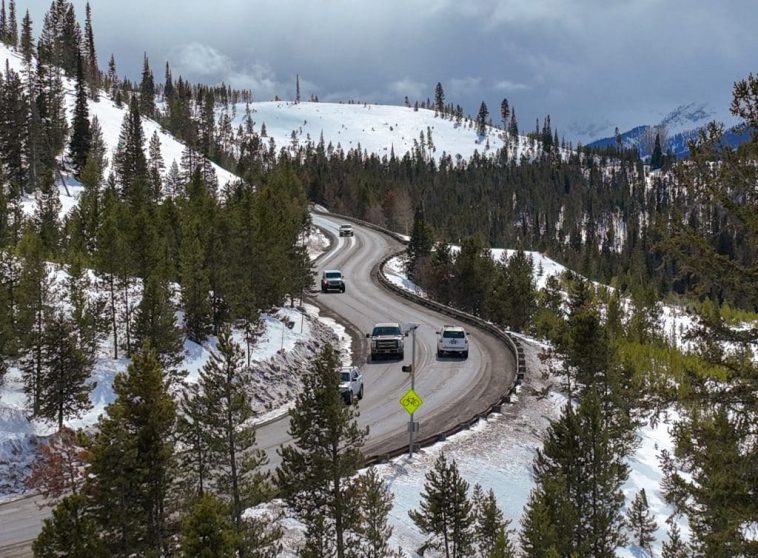
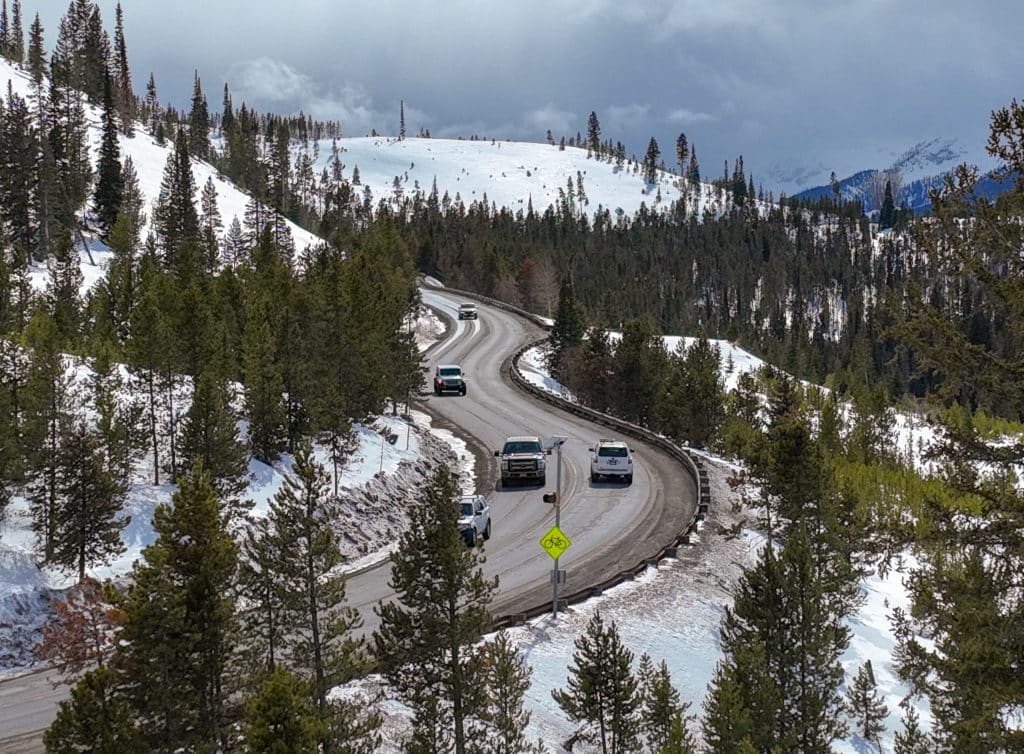
The ongoing work has seen both partial and full closures stretch from early July and potentially into August. For a period of time, key segments of the road—most notably the stretch between Summit Cove and the Lowry Campground—have experienced complete shutdowns. These closures, although inconvenient at times, have been implemented to replace an aging culvert and update critical guardrails, ensuring that the road remains safe for daily use.
The Current State of Swan Mountain Road Construction
At first glance, witnessing one of your primary routes closed, even temporarily, can feel like a nerve-racking setback. However, by taking a closer look at the situation, we see that the decision to shut down segments of the road is driven by a commitment to road safety and the long-term well-being of drivers, cyclists, and local residents. The construction involved in this project is a shining example of how local governments work through tangled issues in the public infrastructure arena.
According to Summit County’s public updates, the project includes steps such as replacing deteriorating culverts and upgrading guardrails, with each phase scheduled carefully. The first phase of the work, for example, required a full two-day closure from July 21 to July 23 early in the morning until late in the evening, ensuring that the job could be done effectively without leaving partial work that might jeopardize safety during peak traffic times.
To ease the worries of early commuters and weekend travelers, cyclists have been advised to use a dedicated recreation path. Additionally, traffic headed towards popular campgrounds including Lowry, Prospector, and Windy Point has been redirected, ensuring that despite the road’s full closure during critical hours, visitors still have a safe alternative route available to them.
Economic Ripple Effects: How Road Construction Influences Local Business and Tourism
One of the critical points of discussion when it comes to construction projects like this is the effect on local commerce and tourism. While it might seem off-putting to experience delays or detours, it is important to weigh these temporary challenges against the potential for future economic benefits. Road projects that ensure safer infrastructures can actually encourage more tourism and investment in rural areas, a factor of significant interest to small business owners and local manufacturers.
Here are some key bullet points outlining the economic ripple effects:
- Sustained Investment: Infrastructure projects often come with increased investment in the local economy, creating jobs not only during construction but also generating demand once the improvements are complete.
- Enhanced Accessibility: With improved road safety and reliability, the region becomes more attractive for tourists and new businesses, potentially boosting local economic growth.
- Long-Term Savings: Over time, safer and better-maintained roads reduce vehicle damage costs and downtime for businesses that rely on transportation.
- Improved Public Services: Enhanced infrastructure can lead to improved delivery of public services including emergency response times and general community connectivity.
Small business owners, especially those operating in industries such as tourism, automotive services, or local manufacturing, can see these infrastructural improvements as a must-have asset. Although the immediate cost to consumers may be in the form of delays or detours, the long-term benefits of a safer and more efficient road network can translate to a more robust local economy.
Cycling Safety and Recreational Access: Analyzing Alternative Routes
The alterations in road access naturally lead to questions about alternative transport options and recreational access to nearby attractions. The temporary closure of certain road sections has forced cyclists and pedestrians alike to either stick to alternative routes or longer recreational paths while the construction is underway. For many locals, this might seem overwhelming, yet the reality is that the proactivity of the county in creating alternative routes underlines a commitment to safety for all users.
Here we break down some of the essential adjustments:
- Designated Paths: Cyclists and pedestrians are encouraged to use specified recreation paths to avoid dealing with construction hazards. This not only protects the public but also ensures that construction activities can continue smoothly.
- Clear Signage: Temporary signs and road markings have been set up to help motorists and bikers figure a path around the construction areas, reducing potential confusion and keeping everyone informed.
- Communication Systems: The county’s effort to include text alerts (via texting SWANMTN to 888777) exemplifies modern communication strategies used to let people stay updated. Such systems are especially critical during periods of partial or complete closures.
For outdoor enthusiasts, these changes can also serve as a reminder to explore the less traveled, yet equally scenic, routes in the area. Choosing safety and preparedness over haste helps everyone in the community—and underscores the balanced approach needed during periods of infrastructural maintenance.
Balancing Convenience with Safety: The Hidden Benefits of Infrastructure Upgrades
While the immediate inconvenience of detours and partial road closures might be disheartening, it is important to appreciate the key advantages that come with investing in infrastructure. Amid the temporary delays, there are tangible benefits to improving the roadway and ensuring that it remains safe for both residents and visitors for years to come.
A few of these benefits include:
- Long-Term Road Safety: Upgraded guardrails and modernized culvert systems can significantly reduce the risk of accidents, a detail of particular importance given the unpredictable conditions found in mountainous regions.
- Smoother Traffic Flow: Once the project is complete, improved road surface conditions contribute to smoother traffic flow, reducing wear and tear on vehicles and lowering accident rates.
- Preventative Maintenance: Addressing issues proactively, rather than waiting for a complete breakdown, saves both time and money. This approach helps avoid bigger, more expensive repairs in the future.
- Enhanced Emergency Response: For local emergency services, having access to well-constructed, reliable roads is not just a convenience—it is essential in times when every minute counts.
By steeling themselves through the twists and turns of temporary closures, drivers and local shop owners alike are investing in a safer community. Despite the occasional off-putting delays, the benefits of maintaining critical infrastructure extend far beyond the mere act of travel; they build a longstanding foundation of community trust and preparedness.
Public Communication and the Role of Technology in Road Projects
One of the most important lessons that emerge from the Swan Mountain Road construction process is the crucial role that clear public communication plays in easing the combined frustration and nervousness that might come with unexpected detours. In today’s fast-paced digital world, technology is used not only to track progress but also to communicate essential updates to residents.
Several methods have been deployed by local authorities to ensure that community members are well-informed:
- Real-time Text Alerts: As mentioned earlier, residents can sign up for text alerts by messaging a designated code. Current updates remind the public that timings—like the Monday to Wednesday closures—are subject to change, which reassures passengers that any deviations from the plan will be communicated promptly.
- Official County Websites: Detailed updates on construction status, expected reopening dates, and alternative routes are frequently posted online, making it easier for local commuters and tourists to plan ahead.
- Local News Coverage: Local journals and community bulletins provide additional layers of coverage that help in the distribution of clear, understandable information during periods of road closures.
This blend of technology and traditional outreach is a practical example of how public agencies can figure a path through periods of rapid change. It is crucial for the authorities to remain transparent, as this transparency fosters trust—an essential component when managing community expectations during large-scale infrastructure updates.
Community Impact and Small Business Perspectives
For small business owners and local manufacturers in Summit County, changes like these create a ripple effect that goes far beyond mere delays on the road. From increased travel times to the need for alternative service routes, the local economy feels every shift. However, as these challenges are worked through with clear planning and community engagement, the long-term outcomes can be overwhelmingly positive.
Consider the following table outlining some immediate concerns versus potential long-term benefits for the business community:
| Immediate Concerns | Long-Term Benefits |
|---|---|
| Delays in product or service delivery | Improved road safety reducing vehicle maintenance and accident costs |
| Temporary loss of clients due to inaccessibility | Enhanced regional connectivity that attracts more tourists and shoppers |
| Higher operational costs during the construction period | Attracting new investment thanks to modernized infrastructure |
| Confusing traffic patterns causing miscommunication | Streamlined traffic flow once the project is complete |
The above table presents a snapshot of the tricky parts along with the hidden benefits that may only become apparent over time. Small business owners who rely on quick and reliable transportation services might initially feel the impact more acutely. Yet, by choosing to view the situation as a necessary upgrade, they can be assured that the future holds better prospects for operational efficiency and enhanced customer satisfaction.
The Environmental Angle: Sustainability and Infrastructure Upgrades
No discussion about road construction in a mountainous region would be complete without considering the environmental impact. Summit County is home to a delicate ecosystem where even minor construction work can disturb local wildlife and natural habitats. It is therefore essential to take into account the environmental responsibilities that come with improving infrastructure.
Local environmental agencies have been keeping a close watch on how the project affects wildlife, especially species that might be displaced by the ongoing construction. While these issues are full of problems and require careful consideration, the county has implemented several measures to lessen the impact:
- Minimized Disruption: Work is scheduled during times of lower wildlife activity, ensuring that animal populations have minimal contact with heavy construction equipment.
- Eco-Friendly Materials: In some instances, upgrades are being implemented with an eye toward using materials and methods that reduce environmental harm.
- Ongoing Monitoring: Environmental impact assessments are being carried out throughout the project, meaning that any emerging concerns can be addressed before they turn into significant issues.
These committed measures showcase a balanced approach that not only looks after the intricate details of road safety but also ensures that the natural landscape continues to thrive alongside modern developments. In this light, the construction project is not just about expanding capacity—it is also about nurturing sustainable coexistence with nature.
Shifting Strategies: How Future Infrastructure Projects Could Learn from Swan Mountain Road
Every major public works project carries its own set of lessons, and the current efforts on Swan Mountain Road are no exception. As we work through the turns and unexpected delays of this construction project, several key observations emerge that could influence how future projects are planned and implemented across rural and urban areas alike.
Some key strategies that can be derived from the current experience include:
- Enhanced Planning and Flexibility: The tentative scheduling, which allows for modifications based on real-time disturbances, offers insight into how structured yet flexible approaches can be beneficial in public works.
- More Robust Public Communication: Ensuring that residents receive timely and accurate updates helps reduce anxiety and confusion, a lesson that future projects should not overlook.
- Integrating Technological Solutions: The successful signing up for text alerts and dynamic updates through county websites underscores the necessity of leveraging technology in modern infrastructure management.
- Community Engagement: Working together with local businesses, recreational groups, and residents to find temporary workarounds can help ease the negative impacts of road closures.
By taking a closer look at these factors, planners and officials have a unique opportunity to find new methods to figure a path through the many twists and turns of future projects. It is about recognizing the little details—the subtle parts that might otherwise be overlooked—that, when properly managed, contribute to a smoother and more efficient process overall.
Managing Your Way Through a Transitional Period: Tips for Commuters
For everyday commuters feeling frustrated or overwhelmed by the ongoing disruptions on Swan Mountain Road, a few straightforward tips can help ease the burden. While the current state of affairs might seem intimidating, planning ahead can make all the difference. Here are some suggestions designed to help local residents get around during this transitional period:
- Stay Updated: Regularly check the official Summit County website or sign up for text alerts to receive real-time information on closure timings and potential changes.
- Plan Alternative Routes: Familiarize yourself with nearby alternate routes. Use navigation apps which are often updated with the latest traffic conditions and temporary road closures.
- Allow Extra Time: Given the potential delays, leaving a little earlier can help reduce the stress of unexpected slowdowns.
- Be Patient and Courteous: Consider that everyone in the community is dealing with the same issues. A little extra patience can go a long way in maintaining a positive atmosphere even during stressful times.
These practical strategies not only help individuals find their way while the construction is ongoing but also build a sense of communal resilience. Knowing that everyone—from local businesses to emergency services—is adjusting in real time fosters a collaborative community spirit.
The Challenges and Rewards of Large-Scale Public Infrastructure Projects
While the recent closures on Swan Mountain Road have undoubtedly presented several tricky parts that are full of challenges, they also offer valuable rewards when managed carefully. As public officials and community leaders work through this period of adjustment, the following observations stand out:
- Temporary Disruptions vs. Long-Term Gains: What might initially seem like an inconvenient detour is, in reality, a necessary step toward a far safer and efficient road network.
- Safety Isn’t Just a Buzzword: Investing in upgrades, such as culvert replacement and improved guardrails, underscores the community’s commitment to ensuring a safe environment for both motorists and cyclists.
- Economic Prosperity Through Infrastructure: Reliable roads are a key part of economic growth, boosting everything from tourism to local business operations.
- Creating a Blueprint for Future Projects: The lessons learned during this process can serve as a model for future infrastructure improvements, ensuring that the fine points are addressed well before they evolve into larger tussles.
In essence, the construction on Swan Mountain Road is more than just a technical update—it is a transformative moment for the community. The temporary measures in place might be a bit intimidating, but they pave the way for lasting benefits that will become apparent in the years to come.
Community Voices: Perspectives on Road Construction and Its Broader Impact
The ongoing developments have sparked a mix of opinions among local residents, business owners, and even visitors. These varied perspectives offer a unique window into how infrastructure projects can be seen as both a necessary disruption and also as a springboard for growth. Here are a few common viewpoints echoed within the community:
- Local Business Owners: Many appreciate the investments in improved road safety, noting that a better-maintained thoroughfare can boost tourism and make deliveries more reliable. While initial setbacks may dampen operations, the consensus is that the benefits will extend well beyond the construction phase.
- Daily Commuters: For those who traverse Swan Mountain Road each day, the series of closures is sometimes nerve-racking. However, as more detailed updates become available and alternative routes are established, many feel that the temporary inconvenience is manageable.
- Environmental Advocates: Concerns regarding the local ecosystem have been raised, yet most environmentalists appreciate the careful planning that has gone into mitigating ecological impacts. The use of eco-friendly practices in construction is seen as a promising development.
- Tourists and Recreational Users: Visitors highlight that the accessibility to local campgrounds and outdoor attractions is critical. Despite temporary detours, many see this project as an opportunity to explore alternative scenic drives and trails.
This medley of views reflects the delicate balance of competing priorities—public safety, economic stability, and environmental conservation all play critical roles in shaping the discussion around such projects. Ultimately, a transparent and honest dialogue between local authorities and community members is essential to ensure that everyone benefits.
Looking Ahead: The Future of Rural Infrastructure in Summit County
As we take a closer look at projects like the Swan Mountain Road construction, it becomes clear that this is just one chapter in the long story of rural infrastructure updates across Summit County. The experiences and lessons learned here have implications that reach into the future of the region and can help inform the strategies for upcoming projects.
Looking ahead, a few important factors are poised to influence future infrastructure developments:
- Community-Centered Planning: Future projects should aim to work more closely with residents and local businesses, ensuring that the temporary challenges are minimized and that there is ample explanation of each step.
- Enhanced Technology Integration: The effective use of real-time alerts and digital mapping can further improve the experience for everyone involved. Including advanced tracking systems and AI-guided traffic management could bring an extra layer of safety and efficiency.
- Sustainability Measures: Incorporating green technology and more eco-friendly construction practices will be essential in making sure that development does not come at an environmental cost. This is especially important in regions where the natural landscape is a major draw for tourism.
- Flexibility in Scheduling: By learning from current experiences with scheduling and unexpected delays, planners can design projects that allow for peak traffic adjustments and more efficient work schedules.
In summary, the future of rural infrastructure in Summit County looks promising, if complex. The careful adjustments made during the Swan Mountain Road project symbolize a broader trend across the state and country: an increasing necessity to find a balance between rapid progress and the need to preserve community stability.
Final Thoughts: Embracing Change Amid Temporary Inconvenience
Though it might appear intimidating at first, the current series of road closures and detours on Swan Mountain Road can be viewed as a necessary phase in an essential evolution of local infrastructure. Whether one is a daily commuter, a local business owner, or a visitor exploring Summit County’s scenic vistas, the improvements being made are geared toward ensuring long-term safety and enhanced quality of life.
While the changes may come with some confusing bits and occasional nerve-racking delays, they offer a chance to benefit from a more robust, modern framework ultimately reflecting the town’s commitment to enhancing public services, economic stability, and sustainable growth. Each adjustment—from enhanced communication systems to eco-friendly construction techniques—plays a key role in the overall picture.
The story of Swan Mountain Road is one of transformation. Amid the twist and turns of unexpected setbacks and temporary disruptions, the community is witnessing the subtle parts of a strategic effort to upgrade and modernize vital transport links. As more residents and visitors come to appreciate the delicate balance between immediate inconvenience and promising long-term gains, a sense of forward momentum begins to take hold.
In times like these, taking the time to figure a path through the changes becomes essential. It is not just about reaching a destination, but about embracing the process of growth and understanding that every temporary setback paves the way for a smoother, safer journey ahead. Stakeholders are encouraged to stay informed, stay patient, and above all, recognize that each step in this process is a building block toward a better future.
As we reflect on the ongoing developments along Swan Mountain Road, one thing remains clear: change, even when it comes in the form of inconvenient detours and unexpected delays, is an integral part of progress. Its benefits, though sometimes hidden behind seemingly complicated pieces and challenging moments, will eventually reveal themselves to be truly transformative for both the local community and the broader region.
By engaging in open dialogue, leveraging modern technology, and giving due importance to community feedback, local leaders are not only managing the current project—they’re laying the groundwork for the next generation of infrastructure projects that will continue to make Summit County a model for balanced, forward-thinking rural development.
In closing, as we watch the construction teams work diligently on Swan Mountain Road, let us remember that the temporary inconveniences we experience today are the necessary sacrifices for a safer, more connected tomorrow. The collaborative effort between local government, private businesses, and vigilant community members is a rich example of civic determination and shared resilience—a blend of commitment and innovation that promises to steer us toward a future where every journey is a safer, more predictable adventure.
Originally Post From https://www.summitdaily.com/news/swan-mountain-road-construction-and-closures-continue/
Read more about this topic at
INDOT: Restrictions/Closings
INDOT – Next Level Roads