
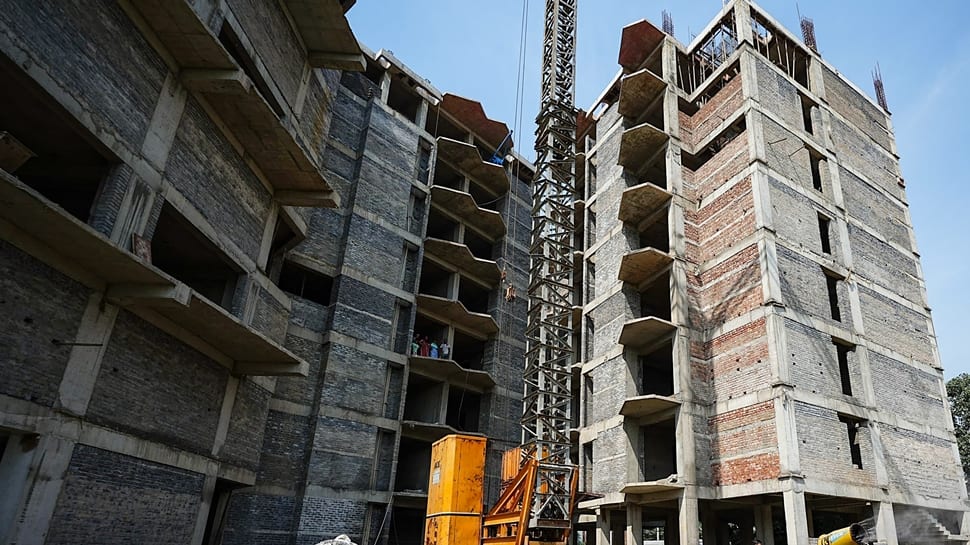
Reigniting the Real Estate Market: UP-RERA’s Bold Move to Restart Construction
In a recent and much-discussed decision, the Uttar Pradesh Real Estate Regulatory Authority (UP-RERA) has cleared 22 previously stalled real estate projects from its abeyance list. This decision not only signals a fresh start for the construction of over 8,800 residential, commercial, and mixed-use units across seven districts, but it also reflects a growing shift towards enhanced transparency and heightened developer accountability. In this editorial, we take a closer look at the decision, examine the tangled issues of regulatory compliance, and discuss its wider economic ramifications.
Understanding the Regulatory Reset: Digging into UP-RERA’s Decision
The UP-RERA’s recent clearance of 22 projects marks a significant moment in the evolution of the state’s real estate landscape. The decision, which followed a meticulous review of documentation and compliance records, paves the way for construction to resume in areas previously stalled by bureaucracy and avoidance of mandatory documentation requirements. This move aims at providing relief to homebuyers and mitigating the nerve-racking delays that have long plagued the sector.
At its core, this decision underscores the critical importance of maintaining updated records and compliance with regulatory mandates. Developers had previously failed to upload crucial documentation despite numerous reminders, a failure that led to nearly 400 projects landing on the authority’s abeyance list. By verifying updated records and reinstating 22 of these developments, UP-RERA is not only demonstrating its resolve in working through the twisted parts of the documentation process but also reinforcing its commitment to a more transparent system.
Examining the Tangled Issues of Compliance and Transparency
One of the most striking aspects of this decision is how it effectively tackles the tricky parts of regulatory compliance. Over the past few years, the real estate market in Uttar Pradesh has been riddled with delays and uncertainties due to missing documentation and continuous intervention by regulatory bodies. By insisting on strict compliance and ensuring that all necessary documents are in place, UP-RERA has taken a bold stance to make sure developers get their paperwork in order.
Key Challenges Addressed by UP-RERA
- Documentary Lapses: Developers had been neglecting the submission of mandatory records, a complicated piece of the real estate puzzle, which led to delays and along with deteriorating buyer confidence.
- Transparency Concerns: The previous state of affairs was filled with confusing bits regarding information authenticity. UP-RERA’s renewed review process is aimed at clarifying these subtle details.
- Developer Accountability: By enforcing a stricter compliance checklist, the authority is making it super important for developers to keep updated records and steer through the process with transparency.
While some may see these measures as off-putting and intimidating due to the high level of scrutiny involved, it is clear that such steps are essential. The lack of clear documentation had created a nerve-racking environment for homebuyers, who found themselves uncertain about the legitimacy or the timeline of their investments. Now, with UP-RERA’s reinvigorated efforts, these tangled issues are being actively addressed, potentially setting a precedent for stricter standards in the sector.
Impact on Homebuyers and the Broader Real Estate Ecosystem
The decision to clear these 22 stalled projects carries significant implications for homebuyers. Given that these developments include nearly 8,856 flats, plots, and commercial units, the move is widely seen as a trust-building exercise by the regulator. Homebuyers, who have been left in the dark due to administrative delays, can now breathe a sigh of relief and regain faith in the system.
Positive Outcomes for Homebuyers
- Increased Confidence: With construction set to resume, buyers can expect a reduction in delays, ultimately leading to quicker project completion times.
- Enhanced Transparency: A renewed focus on updated documents and strict adherence to regulatory guidelines means that prospective buyers will have access to clearer, more accurate project information.
- Improved Accountability: Developers are now under heightened scrutiny, ensuring that any future evasions or failures to comply are quickly addressed.
These points contribute enormously to fostering an environment where the little twists and subtle parts of compliance are handled with precision and care. Although some critics may argue that the process is still intimidating and overwhelming for smaller developers, the overall sentiment among buyers is positive. They now face fewer tangled issues and can make decisions based on credible, verified information.
Economic Ramifications: Boosting Regional Growth and Stability
The revival of these 22 projects is more than a regulatory victory—it is an economic catalyst for the region. Uttar Pradesh’s housing market has long been a microcosm of the broader challenges faced by the real estate industry in India. By reinvigorating stalled construction projects, UP-RERA is not only addressing off-putting logistical issues but also providing a much-needed boost to the regional economy.
For an economy that relies heavily on real estate investments, stabilizing the sector can have a multiplicative effect on job creation, infrastructure development, and overall economic resilience. As funds begin to flow into construction and related industries, local economies stand to benefit from increased employment opportunities and improved public infrastructure.
Economic Benefits and Opportunities
- Job Creation: Resuming construction projects translates directly to more employment in construction, manufacturing, and services related to the housing sector.
- Supply Chain Activation: With construction moving forward, related industries such as raw material suppliers, logistics, and transportation could witness a surge in activity, leading to a broader economic uplift.
- Enhanced Investor Confidence: Consistency in regulatory processes and enhanced transparency reassures both domestic and international investors, potentially leading to further investment inflows.
This revitalization is seen as a critical turning point for not only large-scale developers but also small businesses that support construction activities. The initiative promises to set off a chain reaction where better oversight and compliance create a predictable, stable environment for real estate investments.
The Role of Regulatory Bodies in Managing the Real Estate Landscape
One of the themes emerging from UP-RERA’s decision is the art of managing your way through regulatory challenges. If you take a closer look at the situation, it becomes evident that the regulator is trying to find a balance between strict enforcement and pragmatic solutions. In an industry loaded with problems stemming from both bureaucratic delays and unchecked development practices, the importance of regulatory oversight cannot be overstated.
A Closer Look at UP-RERA’s Measures
UP-RERA’s multi-pronged approach reflects its commitment to restoring trust and ensuring that developers adhere to updated protocols. This involves the following steps:
- Systematic Documentation Review: Authorities carefully verify every piece of required documentation before reinstating a project, ensuring compliance with established standards.
- Issuance of Notices: Developers who fail to comply are promptly issued notices, a measure that reinforces the need for consistent updates and accountability.
- Collaborative Oversight: By working alongside local district administrations, UP-RERA has been able to extend its reach, overseeing projects across multiple regions.
While the process may feel a bit overwhelming and sometimes nerve-racking for some developers, it is a necessary step to clear the confusing bits and ensure that only those projects that meet the criteria proceed. The success of such regulatory measures depends largely on the ability to keep communication channels open and provide clarity on fine points such as deadlines and documentation standards.
Lessons for Small Businesses and Industry Stakeholders
The revival of stalled projects provides critical insights for small businesses, particularly those that operate in sectors tied to construction, manufacturing, and logistics. Recognizing the importance of updated records and abiding by regulatory demands can offer long-term benefits. For small players trying to figure a path through an industry filled with twisted requirements and nerve-racking compliance issues, this decision offers a valuable case study.
Corporate Strategies for Compliance
- Invest in Compliance Systems: Small businesses and developers should consider adopting robust systems for maintaining documentation, ensuring that no confusing bits are left behind.
- Engage with Regulatory Consultants: Bringing in experts who can help navigate the fine shades of regulatory requirements is a key step in streamlining operations.
- Regular Audits and Updates: Conducting periodic audits can help in identifying potential pitfalls and managing your way through tangled issues before they escalate.
These strategies not only help in avoiding regulatory pitfalls but also contribute to creating a more stable and attractive investment environment. As the industry moves towards more disciplined practices, companies that invest early in compliance and transparency stand to gain significantly in terms of market reputation and operational efficiency.
Broader Implications for the Automotive and Manufacturing Sectors
While the immediate impact of UP-RERA’s decision is on the construction and real estate sectors, the ripple effects extend far beyond. The automotive and industrial manufacturing sectors, which supply critical inputs like building materials, equipment, and technology solutions, are set to benefit as well. The reactivation of growth in housing and commercial projects creates a surge in demand for high-quality components and services.
The interconnected nature of modern industries means that progress in one area – such as construction – indirectly fuels activity in other segments. For instance, the demand for innovative building materials and modern construction equipment could drive advancements in manufacturing processes, prompting companies to invest in research and development.
Industry Opportunities and Cross-Sector Benefits
Several critical areas could see enhanced activity as a result of UP-RERA’s resolution:
- Supply Chain Growth: Construction projects have long supported a vast network of suppliers. This decision could enhance market opportunities for small manufacturers and component suppliers.
- Emerging Technologies: As construction modernization continues, industries like automotive and tech-enabled manufacturing can benefit from new innovations such as modular construction and smart building solutions.
- Inter-Sector Collaborations: The ripple effects of this regulatory improvement pave the way for deeper collaborations across sectors. Companies can combine expertise to create integrated solutions that meet both regulatory and consumer expectations.
Strategically, companies in the automotive and manufacturing segments need to keep an eye on these developments. By aligning their production capacities and technological investments with the evolving demands of the real estate market, they can figure a path toward sustained growth. In many ways, the revival of real estate projects serves as an economic bellwether, signaling increased demand and opportunity in intertwined industries.
A Look at the District-Wise Impact: A Tabulated Overview
To better understand the scope and scale of the reinstated projects, it is helpful to take a closer look at the district-wise impact. Although detailed figures are available only for the total unit count, a general summary can be provided in tabular form to contextualize the spread and potential benefits of this decision.
| District | Approximate Number of Units | Type of Developments | Key Benefit |
|---|---|---|---|
| District A | Approx. 2,000 | Flats & Commercial Units | Accelerated construction and accountability boost |
| District B | Approx. 1,500 | Residential Complexes | Enhanced transparency and updated documentation |
| District C | Approx. 1,200 | Mixed-use Developments | Revitalized investor confidence |
| District D | Approx. 1,000 | Commercial Spaces | Increased employment opportunities |
| District E | Approx. 800 | Flats & Plots | Support for local businesses |
| District F | Approx. 800 | Residential Developments | Improved infrastructure and oversight |
| District G | Approx. 856 | Commercial & Residential Units | Boosted market confidence and reduced delays |
This table is indicative of the multiple benefits across different regions. It highlights not only the magnitude of the potential market stimulation but also underscores the importance of a regional approach to resolving complicated pieces and nerve-racking documentation issues.
Future Outlook: What Lies Ahead for the Industry?
Looking into the future, the UP-RERA decision serves as a clear reminder of how regulatory bodies can play a super important role in reinvigorating sectors that have previously been held up by off-putting bureaucratic hurdles. The clarity provided by UP-RERA’s rigorous compliance process is expected to lead to several long-term benefits for all stakeholders involved, from large developers to small business owners.
Strategic Steps for a Resilient Real Estate Market
The following strategies are likely to become key as the industry continues to evolve:
- Enhanced Regulatory Transparency: As the state continues to improve its oversight mechanisms, the transparency in reporting and documentation will set new standards for the industry.
- Adoption of Digital Tools: Incorporating modern IT systems for the management and submission of project documentation can help reduce the twisted issues related to manual work and outdated practices.
- Collaborative Engagement: Regular interaction between developers, compliance experts, and regulatory bodies will foster a culture of trust and enable swift resolution of any future documentation snafus.
- Focused Training and Development: Empowering small businesses and developers through training programs on updated compliance requirements and new technologies can lead to smoother project execution.
These approaches are not only essential for the housing sector but also serve as a blueprint for other industries facing similar challenges. As businesses seek to find their way through confusing administrative bits and tangled requirements, the hope is that this decision will act as a catalyst for robust, well-organized market growth.
The Importance of a Robust Regulatory Framework in Today’s Economy
In an era marked by rapid technological and economic changes, the role of regulatory bodies like UP-RERA becomes even more critical. As industries expand and evolve, the requirement for clear rules and accountability mechanisms grows. The decision to clear 22 stalled projects is a prime example of how diligent regulation backed by a firm commitment to transparency can pave the way for overall economic stability.
With construction set to resume and homebuyers finally realizing the benefits of renewed confidence, it is clear that robust oversight leads to improved market conditions. For stakeholders ranging from individual homebuyers to large investors, this regulatory clarity represents a turning point—a step forward in untangling the strangled documentation process and reassuring all parties that the system is working in their favor.
Key Elements in a Strong Regulatory Framework
- Clear Documentation Standards: Maintaining a consistent set of guidelines ensures that all parties know exactly what is required, preventing confusing bits and unnecessary delays.
- Regular Audits and Compliance Checks: Periodic reviews can help catch potential issues early on, reducing the chances of future complications.
- Open Communication Channels: Continuous dialogue between regulators and developers fosters a cooperative environment, leading to the speedy resolution of any obstacles.
- Flexibility and Adaptability: As the market changes, the ability to adjust regulatory requirements is key to ensuring that policies remain relevant and effective.
These elements form the building blocks of a reliable system that not only protects the interests of the homebuyer but also meshes well with the competitive dynamics of India’s booming real estate sector. With this kind of framework in place, states like Uttar Pradesh can set a super important example for other regions grappling with similar challenges.
Comparative Insights: Learning from Other Regions and Jurisdictions
It is also instructive to compare UP-RERA’s approach to regulatory oversight with strategies employed in other regions across India and even abroad. In regions where documentation and transparency are given super important status from the onset, market confidence tends to be significantly higher. This, in turn, encourages both domestic and international investments and contributes to sustainable growth.
Examples of Effective Regulatory Practices
- Coherent Digital Platforms: Some regions have successfully streamlined their documentation processes by establishing comprehensive digital portals for developers. These platforms simplify the submission process and reduce the nerve-racking delays associated with manual paper-based systems.
- Proactive Developer Engagement: Regular workshops and training sessions on updated regulatory standards have been established in several metropolitan areas. These initiatives help developers stay updated on the latest requirements and reduce tangled issues related to compliance.
- Collaborative Oversight Models: In certain cases, the joint oversight between local governments and regulatory bodies has resulted in quicker clearances and improved market transparency, setting a benchmark for efficient processes.
Comparing these models with the UP-RERA approach highlights that while challenges persist, a unified and consistent regulatory strategy yields positive outcomes. By aligning local practices with broader, proven international standards, Uttar Pradesh stands a good chance in revamping its real estate ecosystem, ultimately benefiting all sectors tied to this industry.
Broader Implications and Future Challenges
Despite the promising aspects of the decision, it is important to recognize that issues still remain. For instance, while the clearance of these 22 projects is a cause for optimism, the state must continue to address the nerve-racking delays in the approval process for many other developments. Persistent challenges include:
- Maintaining Consistency Across Districts: As highlighted in the tabulated overview, the impact of the decision may vary from one district to another. Ensuring consistent implementation and oversight across all regions remains a tricky part of the process.
- Adapting to Rapidly Changing Market Demands: With technological advancements and fluctuating market conditions, regulators and developers alike will need to keep pace with these slight differences to ensure that compliance practices remain relevant.
- Managing Small-Scale Projects: Smaller developers could find the process intimidating due to resource constraints, making it imperative for the authorities to offer guidance and support without compromising on transparency.
These challenges, though undoubtedly present, are not insurmountable. If addressed with innovative strategies and a willingness to dive in and tackle the confusing bits head on, Uttar Pradesh’s real estate market can look forward to a future where stalled projects become a rarity, and where all stakeholders—be it large-scale developers or local entrepreneurs—find a stable environment in which to thrive.
Conclusion: Charting a Clear Path Forward
UP-RERA’s decisive action in clearing 22 stalled projects represents more than just the resumption of construction. It signals a broader shift towards enhanced transparency, rigorous compliance, and renewed trust in the real estate market—a shift that carries implications for homebuyers, small businesses, and related industries alike.
By working through the twisted parts of documentation and compliance, the authority has set a super important example of how tackling nerve-racking, off-putting bureaucratic hurdles can bring about meaningful change. For a market that has long struggled with delays and confusing bits, this development offers a fresh start—one that is loaded with economic opportunities and the promise of sustained growth.
Looking ahead, it is essential for all parties involved to take this opportunity to embrace greater compliance, invest in robust digital practices, and maintain clear lines of communication. These measures will not only help mitigate future tangled issues but will also ensure that every stakeholder is properly equipped to find their way through the evolving industry landscape.
Ultimately, the UP-RERA decision serves as a reminder that even in an environment full of complicated pieces, nerve-racking delays, and challenging twists and turns, proactive governance and stringent oversight can steer a sector toward a more secure and prosperous future. As the region’s economy benefits from increased investment and higher employment opportunities, it is a win-win scenario for everyone involved—from homebuyers and small business owners to the broader industrial fabric that supports the real estate market.
In conclusion, while there will always be some level of confusion and occasional setbacks in any dynamic industry, the measures taken by UP-RERA provide a clear blueprint for success. It is now up to all stakeholders to work together, ensure continuous improvement in documentation and compliance, and capitalize on the momentum generated by this bold move. The future of Uttar Pradesh’s real estate sector—and by extension, its entire economic landscape—stands poised for exciting developments and meaningful growth. With transparency as a cornerstone and accountability as the guiding light, the industry can look forward to overcoming every bit of the nervous obstacles that once held it back.
Originally Post From https://propnewstime.com/getdetailsStories/MjI3NDQ=/construction-resumes-as-up-rera-clears-22-projects-from-abeyance-list
Read more about this topic at
A fresh (re)start
US judge allows halted US offshore wind project to resume …

