Reinventing the Chemical Landscape: An Opinion on the Global Bio Succinic Acid Market
The chemical industry is at a turning point as traditional, petro-based methods are increasingly challenged by renewable, bio-based processes. Recent studies by Allied Market Research have signaled strong growth in the global bio succinic acid market—a development that signals significant changes in industrial manufacturing, automotive applications, and coatings technology. In this opinion piece, we examine how this shift will reshape the industry, the opportunities for small businesses and large corporations alike, and the challenges involved in steering through an ever-changing market that is full of problems and laden with issues.
On the surface, the shift to bio succinic acid may seem like a minor development in the grand scheme of things. However, when looking at the long-term outlook and the minute details of production and application, one quickly realizes that this evolution is poised to impact many different sectors, from industrial manufacturing to electric vehicles. By taking a closer look at the big picture and the little twists in regulatory frameworks and market dynamics, we can better appreciate how these subtle details are setting the stage for a green revolution in chemical manufacturing.
Changing Technology and the Shift Toward Renewable Chemicals
One of the key drivers behind the rise of bio succinic acid is the volatility in fossil fuel prices—a well-known tricky part for industries reliant on petroleum-based intermediates. Increasing costs and the environmental cost associated with high carbon footprints have encouraged companies to explore greener alternatives. This trend isn’t just a fleeting moment; it is an ongoing evolution that touches on aspects of business tax laws, economic news, and corporate sustainability initiatives.
Renewable chemicals, including bio succinic acid, present an opportunity to replace traditional, petroleum-based products with sustainable alternatives. Industrial manufacturers are, therefore, compelled to find their way through the tangled issues of cost, regulation, and innovation, particularly in the coatings and automotive sectors where reliability and performance are non-negotiable.
Key Reasons for a Shift
- Fossil Fuel Price Volatility: Sudden changes in petroleum costs push companies to seek more stable raw material sources.
- Carbon Footprint Reduction: Governments and industries are increasingly wary of the negative environmental impacts of fossil-based chemicals.
- Local Raw Materials: The drive towards sustainability includes tapping into locally available resources that help cut down transportation and processing costs.
- Green Chemistry Demand: With growing consumer awareness, there is a rising preference for environmentally friendly products.
This list illustrates the multifaceted benefits that come with switching over to biologically produced succinic acid. With these reasons in mind, it is no surprise that the market is predicted to witness significant growth in the near future.
Finding Your Path Through the Labyrinth of Market Challenges
The journey toward a more sustainable chemical industry is far from simple. Many companies must work through intimidating issues such as high production costs and lengthy extraction processes. These nerve-racking aspects can make it difficult for even established players to quickly adapt to new manufacturing paradigms.
For many industry leaders, the challenge is to figure a path that balances cost-effectiveness with environmental responsibility. The high price of bio succinic acid, compared to its petroleum-based counterpart, requires companies to adopt innovative ways of streamlining production processes without compromising performance or quality.
Strategies for Overcoming Production Hurdles
- Investing in Research & Development: Continuous improvement and innovation are critical to refining production methods and reducing extraction times.
- Collaborative Ventures: Partnerships between companies and academic institutions can facilitate breakthroughs that simplify the production process.
- Government Support: Various governments are now offering incentives and supportive policies for green chemical production—a key advantage for companies that make the leap.
- Scaling Up Production: Larger scale operations can help dilute the high costs associated with bio succinic acid production, making it more competitive.
By working through these strategies, companies can not only cut down on expenses but also deliver a product that meets the ever-growing demands of an eco-conscious market. The path may be filled with confounding bits and many twists and turns, but the rewards could redefine the market landscape.
Market Drivers that Are Shaping the Future
Several drivers are at play in the flourishing bio succinic acid market. One of the most significant is the increasing global demand for environmentally friendly chemicals. It is becoming clear that industries such as automotive, coatings, and even small business manufacturing have much to gain from switching to bio succinic acid.
Another factor that propels this shift is government regulation. Stringent measures on carbon emissions—particularly in regions like Europe—have compelled industries to embrace greener alternatives. With regulatory environments that support sustainable practices, the market for bio succinic acid is on the cusp of a major transformation.
Economic Incentives and Industrial Benefits
- Reduced Regulatory Risks: Companies that proactively adopt renewable solutions may benefit from relaxed regulatory scrutiny and even tax benefits.
- Consumer Demand: The modern consumer is increasingly eco-conscious, driving demand for products produced using sustainable methods.
- Competitive Advantage: Adopting bio succinic acid early can set companies apart as leaders in innovative, environmentally friendly solutions.
- Industrial Efficiency: With proper scaling and technological advancements, bio succinic acid can eventually match or exceed the performance of traditional chemicals.
By considering these economic incentives and industrial benefits, it becomes evident that the bio succinic acid trend has far-reaching implications. Over the next seven years, the market volume is expected to grow at a staggering compound annual growth rate, offering a promising opportunity for industries ready to retool and adapt their operations.
How Industrial Manufacturing Stands to Benefit
Industrial manufacturing is one of the sectors that can gain considerably from the large-scale adoption of bio succinic acid. The manufacturing process for this renewable chemical is being reimagined to suit the needs of modern production lines, with smaller businesses and large conglomerates alike piloting trials to replace their traditional chemicals with greener ones.
For manufacturers, using bio succinic acid is not solely a matter of regulatory compliance; it is also about boosting efficiency, safety, and product appeal. In high-performance coatings, for instance, bio succinic acid is being used as a replacement for petroleum-based derivatives, thereby driving advances in automotive refinishing, architectural finishes, and even marine coatings.
The Role of Bio Succinic Acid in Coatings Technology
Coatings are a critical aspect of many industrial applications—from protecting large metal structures to ensuring the longevity of automotive finishes. Bio succinic acid is increasingly used as a core ingredient in various types of coatings due to its versatility and sustainability benefits.
The substance is well-suited for use in:
- Solvents and Lubricants: Acting as a high-performance replacement that meets both performance criteria and eco-friendly standards.
- De-Icer Solutions: Offering an environmentally benign alternative that is particularly important in regions with harsh winters.
- Cosmetics and Pharmaceuticals: Being utilized in product formulations where purity and sustainability are top priorities.
By incorporating bio succinic acid into coatings formulations, manufacturers can create products that not only meet performance benchmarks but also appeal to the modern, sustainability-minded consumer. The move is particularly appealing given the growing interest in products that carry lower carbon footprints and rely on ingredient sources that are less volatile in price.
The Automotive Sector and Next-Generation Materials
The automotive industry is another arena where bio succinic acid is poised to make a significant impact. Car manufacturers are continuously on the lookout for lighter, stronger, and more sustainable materials, and bio succinic acid—a key building block in various polymers—is emerging as an attractive option.
The integration of bio succinic acid in automotive manufacturing not only contributes to a reduction in carbon emissions but also supports the development of electric vehicles (EVs) that demand sustainable, high-quality components. As the auto industry shifts towards greener production processes, the innovative use of bio succinic acid in components such as interior parts, protective coatings, and even structural adhesives is proving to be a game changer.
Automotive Advantages with Bio-Based Chemicals
Some of the potential benefits for the automotive industry include:
- Enhanced Sustainability: Reducing dependence on petroleum-based chemicals aligns with the increasing drive towards eco-friendly car production.
- Improved Performance: Bio-based succinic acid can help improve the durability and longevity of coatings used in vehicles, particularly in extreme weather conditions.
- Cost Efficiency Over Time: Although the initial price may be higher, the cost benefits over an extended period—such as reduced regulatory costs and heightened consumer appeal—can offer a significant competitive advantage.
- Innovation in Design: New chemical formulations provide automotive designers with more flexibility in developing novel, sustainable components.
With these benefits in mind, automakers are increasingly integrating bio-based ingredients into their manufacturing processes. As the market slowly overcomes the initial off-putting price points and production hurdles, the future looks bright for a full-scale transformation in automotive components and materials.
A Look into the Future: Market Forecasts and Predictions
According to the latest research, the global bio-based succinic acid market is expected to reach a volume of 710.0 kilo tons by 2020, growing at an impressive CAGR of 45.6% during the 2013-2020 period. Seeing such a tremendous growth rate, one can only conclude that industries embracing this change are strategically positioning themselves ahead of the curve.
This forecast reflects a deeper trend of innovation driven by a mix of technological advancements, consumer demand for green alternatives, and government interventions designed to steer companies away from traditional, environmentally taxing production methods. In such an environment, both large and small companies are left to figure out how best to get around the nerve-racking pricing issues associated with bio succinic acid.
Breaking Down the Forecast by Region
In a comprehensive study, researchers examined the market across four main regions: North America, Europe, Asia Pacific, and Rest of the World (RoW). Here are some key observations from these findings:
- Europe: In 2013, Europe was the largest consumer of bio succinic acid, driven by strict regulations on carbon emissions and strong industry adoption of green chemicals.
- North America: With a well-established manufacturing base, North America presents significant opportunities—especially as companies in the region seek to mitigate cost risks and leverage environmentally friendly alternatives.
- Asia Pacific: The fastest-growing market region, with an expected CAGR of 49.5% during the 2013-2020 period, Asia Pacific is rapidly emerging as a powerhouse of industrial innovation and manufacturing efficiency.
- Rest of the World: Other regions steadily increase their consumption, driven by similar global trends in industrial modernization and a push towards renewable chemical alternatives.
This geographic breakdown clearly illustrates that while different markets have their own unique twists and turns, the overarching trend is unmistakable: bio succinic acid is set to become a key component of global chemical manufacturing.
Exploring the Fine Details: Applications and New Markets
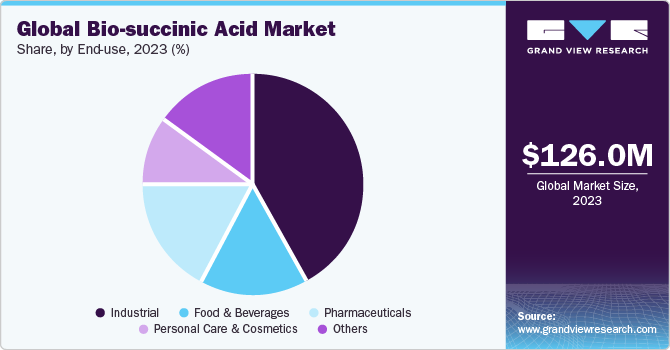
The future of bio succinic acid is not confined to its traditional uses; it is increasingly finding applications in innovative new markets. For instance, industries beyond coatings, such as plastics—especially in the production of 1,4-Butanediol (BDO), polyester polyols, polyesters, and plasticizers—are looking to bio succinic acid as a promising alternative to maleic anhydride. Experts estimate that 1.2 metric tons of bio succinic acid can replace 1 metric ton of maleic anhydride, a fine point that underscores its potential in various chemical processes.
This shift is particularly exciting for companies operating in sectors where precision and material performance are critical. Manufacturers are now working through ways to incorporate bio succinic acid into their formulations, thereby expanding its use beyond traditional applications like de-icer solutions, lubricants, and solvents. Industries related to food, cosmetics, and pharmaceuticals are also beginning to experiment with bio succinic acid, showcasing its versatility as a sustainable platform chemical.
Emerging Opportunities in Chemical Manufacturing
- Green Plastics: Bio succinic acid’s role in producing biodegradable plastics opens up a new world of opportunities in packaging, consumer goods, and even construction materials.
- Eco-Friendly Coatings: As manufacturers seek to lower the carbon footprint of their coatings, bio succinic acid provides a promising alternative that can align with stricter environmental standards.
- Advanced Solvents and Lubricants: With its unique properties, bio succinic acid can improve the performance attributes of solvents and lubricants while offering environmental benefits over traditional products.
- Pharmaceutical and Cosmetic Applications: Industries in these sectors value high purity standards and sustainability, making bio succinic acid an appealing choice.
These emerging opportunities are not without their challenges, however. Companies must overcome off-putting production costs and lengthy processing cycles—a set of issues that require innovative engineering approaches and strategic government investments. Nevertheless, the potential rewards in terms of market share and sustainability make the effort well worth the challenge.
The Role of Business Tax Laws and Government Support in Transforming the Industry
Government incentives and business tax laws play a super important role in accelerating the development of sustainable chemicals. Policymakers are increasingly encouraging companies to embrace renewable processes by offering fiscal benefits, research credits, and simplified regulatory pathways for green chemicals. For small businesses and industrial manufacturers, these policies can reduce the intimidating financial burdens that come with adopting new technologies.
Such measures not only help companies dig into new markets but also mitigate the financial risks associated with transitioning from petroleum-based to bio-based production. In essence, these tax incentives and government supports act as a catalyst for change, enabling industry players to experiment with alternative sources and find creative ways to figure a path toward profitability while reducing environmental impacts.
Key Governmental Strategies
- Tax Incentives: Lower taxes and subsidies for companies investing in renewable chemical production can ease the financial strain.
- Research Grants: Funding for R&D in green technologies drives innovation and helps refine processes, making production more efficient.
- Regulatory Reforms: Streamlined regulations that consider the subtle differences between petro-based and bio-based products can accelerate market adoption.
- Public-Private Partnerships: Collaborative projects between government agencies and private companies foster the exchange of innovative ideas and technical know-how.
These strategies can significantly reduce the costly and tangled issues faced when transitioning to bio succinic acid production. With sustained government interest and proactive policy initiatives, the industrial sector can work out the nerve-racking twists and turns that presently hinder full-scale adoption of this innovative chemical.
Marketing the Shift: Communicating the Benefits of Bio Succinic Acid
For companies venturing into bio-based chemicals, effective marketing is essential. The narrative isn’t just about technical superiority—it’s about conveying a message of sustainability, reliability, and future-forward innovation. Stakeholders, from small business operators to global conglomerates, need to understand the critical benefits of bio succinic acid in a clear and compelling manner.
Marketing teams must use relatable language and provide straightforward comparisons between traditional products and bio-based alternatives. Highlighting the cost efficiency, environmental benefits, and improved product performance can help dispel the intimidating perceptions often associated with transitioning production processes. Moreover, using multimedia platforms—ranging from detailed whitepapers to engaging video interviews—ensures that the information reaches a broad, diverse audience.
Effective Marketing Strategies for a Greener Future
- Storytelling: Craft narratives that focus on how bio succinic acid is changing lives and industries. Real-world case studies can offer persuasive proof of concept.
- Data-Driven Insights: Leverage market reports and research studies to emphasize measurable benefits such as lower carbon footprints and potential savings over time.
- Interactive Digital Content: Utilize digital publications and interactive media to explain the technical details in a way that is both engaging and accessible.
- Community Engagement: Connect with industry professionals through webinars, newsletters, and social media to spread awareness and foster collaboration.
With these strategies, marketers can help companies get around the confusing bits and tangled issues of transitioning to bio succinic acid, ultimately presenting a persuasive case for sustainable innovation.
Small Business and the Opportunity to Innovate
While large corporations often have the resources to invest in innovative processes, small businesses are uniquely poised to benefit from the rise of bio succinic acid as well. Smaller enterprises can be more agile in their approach, making it easier for them to steer through the tricky parts of market change and adopt cutting-edge technologies quickly.
For many small business owners, the decision to transition to bio-based chemicals represents not only a commitment to sustainability but also a chance to differentiate themselves in a competitive market. With the right mix of marketing savvy, government support, and industry partnership, small business operators can carve out a niche that leverages the environmental and economic advantages of bio succinic acid.
How Small Enterprises Can Thrive by Adopting Green Innovations
- Agile Production: With less bureaucratic inertia, small businesses can experiment with new production methods more freely.
- Market Differentiation: Emphasizing green credentials can attract customers who are increasingly making sustainability-driven purchase decisions.
- Local Partnerships: Collaborating with local suppliers and research institutions can lead to innovations that are both cost-effective and impactful.
- Government Grants: Small businesses can tap into niche government-sponsored initiatives designed to support green innovation.
This dynamic environment encourages entrepreneurial spirits to dive in and explore new market opportunities, transforming what might seem like a nerve-racking shift into a strategic competitive advantage.
Overcoming the Confusing Bits: Industry Collaboration and Future Prospects
The transition to bio succinic acid is packed with both opportunities and challenging bits that require a united approach from the entire industry. For companies of all sizes, working through this change means more than just investing in a new material; it means building collaborations across supply chains, regulatory bodies, and research communities.
Industry collaboration is essential to figure a path through the tangled issues of production scaling, cost containment, and consumer education. By focusing on shared interests, companies can pool resources and adopt best practices that benefit the broader market. Such alliances not only help settle the short-term hurdles but also build a viable blueprint for long-term success in sectors like automotive, industrial manufacturing, and coatings production.
Collaboration Tactics for a Cohesive Future
- Consortiums and Associations: Joining forces through industry groups can help companies pool research findings and share innovations.
- Joint Ventures: Partnerships between established corporations and emerging firms can speed up the development of more efficient production methods.
- Interdisciplinary Teams: By recruiting experts from various backgrounds—chemical engineering, sustainability, and marketing—companies can address the subtle differences in market demands and production processes.
- Global Forums: Participating in international conferences and digital forums can help exchange ideas that address both local and global market dynamics.
In tackling these collaborations, industry leaders have the unique opportunity to transform the problematic twists and confusing bits of today’s market into a robust, sustainable future for chemical manufacturing.
Sustaining Momentum: Marketing, Innovation, and Economic Impact
Ultimately, the rise of bio succinic acid reflects not only a technical transition but also a broader socio-economic shift. As markets become more loaded with issues related to climate change and environmental ethics, every step a company takes to embrace renewable chemicals echo louder than a mere change in material. It sends a clear message to consumers, investors, and policymakers alike: the future is green, sustainable, and driven by innovative alternatives.
This momentum can be sustained by focusing on three key areas:
- Continuous Innovation: R&D should remain at the forefront, enabling companies to constantly refine and improve bio-based production methods.
- Effective Communication: Clear and engaging marketing will be essential to win over both the public and regulators, ensuring that green innovations are well understood and appreciated.
- Supportive Economic Policies: Enhanced government intervention and beneficial tax policies will help alleviate the intimidating financial hurdles for companies making the shift.
Balancing these areas is no small feat, yet it is super important if the industry is to thrive in an increasingly eco-conscious global market. The buy-in from all stakeholders—including small businesses, large industrial manufacturers, and even the automotive sector—will ultimately determine whether this sustainable shift is a temporary trend or a long-lasting change in the chemical industry’s landscape.
Final Thoughts: Embracing a Greener Future in a Competitive Landscape
The global bio succinic acid market is poised for rapid growth, driven by the unpredictable nature of petroleum prices, the environmental burden of traditional chemical processes, and the ever-increasing demand for eco-friendly products. While there are plenty of tangled issues and nerve-racking production challenges on the way, the advantages of transitioning to green chemicals – such as improved industrial applications in coatings, automotive, and manufacturing sectors – are too significant to ignore.
In a market that is full of problems yet brimming with promise, industry participants must work collaboratively, invest in research, and effectively communicate the benefits of new technologies. Whether you are a major corporation retooling your operations or a small business trying to carve out your niche, the road ahead is loaded with opportunities that can redefine your competitive edge.
By taking advantage of emerging trends, supportive government policies, and innovative production methods, companies can not only cut through the confusing bits of transition but also establish a clear path toward sustainable growth. This shift is more than a fleeting change; it is a fundamental transformation that will influence decision-makers and shape the global market for years to come.
As we continue to see advancements in renewable chemical manufacturing, the new era of bio succinic acid stands as a testament to the power of innovation and collaboration. The journey may be complex, with its fair share of challenging twists and overwhelming production issues, yet the rewards—both environmental and financial—are poised to benefit the entire industry spectrum, from industrial manufacturing to electric vehicles.
In closing, the evolution of the chemical landscape toward bio succinic acid presents an exciting opportunity to redefine the future of manufacturing, coatings, and sustainable innovation. It is now up to industry leaders, policymakers, and marketing professionals to take a closer look, work through those hidden complexities, and drive forward a future where sustainability and performance go hand in hand.
Recommended Actions for Industry Stakeholders
For those who are ready to take action and be part of this transformative journey, consider the following steps:
- Invest in R&D: Prioritize research partnerships and encourage innovative methods to reduce production costs and enhance efficiency when switching to bio-based chemicals.
- Engage with Policymakers: Collaborate with government entities to shape policies that ease the transition to renewable processes and address the small distinctions between petro-based and bio-based production.
- Market Your Innovation: Develop clear, engaging communication strategies that articulate the competitive benefits and environmental advantages of green chemical initiatives.
- Build Collaborative Networks: Foster alliances with other industry players to share resources, insights, and best practices, ultimately working through the nerve-racking production challenges together.
- Educate Your Team: Focus on continuous training and development programs that help your team understand the fine points of sustainable manufacturing.
By taking these steps, companies can not only stay ahead of industry trends but can also contribute significantly to a broader shift toward sustainable innovation—an evolution that could well define the competitive landscape for the decades to come.
Conclusion: A Sustainable Future is Within Reach
The global market for bio succinic acid presents a fascinating and promising frontier in the world of renewable chemicals. With significant advancements in coatings, automotive applications, and broader industrial manufacturing, the transition from petro-based to bio-based solutions is more than a technical evolution—it reflects a deep, strategic response to pressing environmental challenges.
While the journey is dotted with its fair share of intimidating twists and confusing bits, industry collaboration, innovative marketing, and proactive government support can pave the way for a more sustainable and economically beneficial future. The time to get into these challenges and seize the opportunities is now. As companies across the globe gear up to embrace this revolutionary shift, the landscape of chemical manufacturing is set to transform, spurring a wave of green innovation that promises to benefit both industry and the environment.
Ultimately, the rise of bio succinic acid is a call to action—a reminder that through smart strategies and effective partnerships, even the most nerve-racking changes can lead to a resilient and forward-thinking industrial future. Let us all embrace this change and work together to ensure that the sustainable evolution of our chemical industries is not only possible but also profitable.
Originally Post From https://www.coatingsworld.com/breaking-news/allied-market-research-finds-global-bio-succinic-acid-market-outlook/
Read more about this topic at
Bio-Succinic Acid Market Size, Share & Forecast Report …
Bio-succinic Acid Market Size, Share & Trends Report, 2030