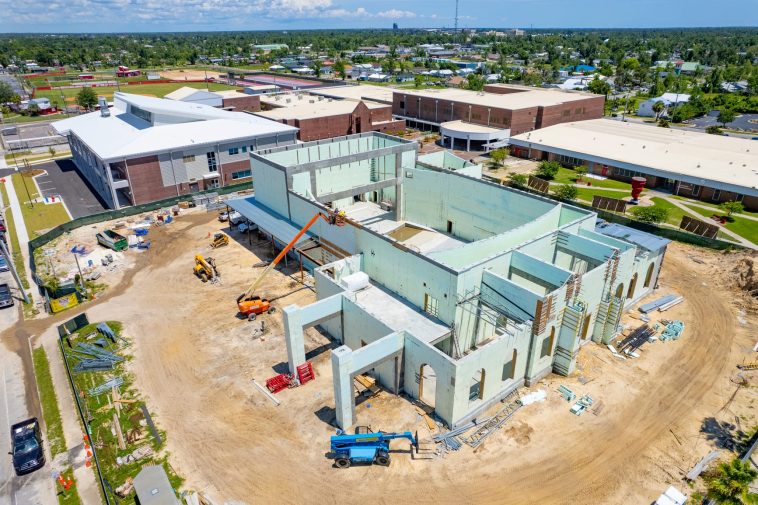

School District Investment: Balancing Ambition with Uncertain Timelines
The Bay District Schools are making significant investments in their infrastructure, reflecting a deep commitment to improving educational facilities for students and staff. However, as these projects roll out, community leaders and taxpayers alike are left to grapple with a landscape filled with tricky parts and tangled issues. From design stages to full-blown construction, every project is tied to a funding recipe that involves local sales taxes, capital improvement funds, and even federal relief allocations. In this editorial, we take a closer look at these projects, their funding sources, and the broader implications for the local community and economic growth.
At the heart of these capital expenditures lies a fundamental question: Are these projects truly the key to enhancing educational outcomes, or are the twists and turns inherent in public funding causing hidden delays and uncertain cost escalations? Many community members are watching closely, not only to see finished structures but also to understand how public money is being managed amid confusing bits and overwhelming challenges.
With a backdrop of ongoing construction and design work, Bay District Schools’ capital projects have generated discussion among educators, local business owners, and policymakers alike. By examining the scope and scale of these initiatives, we can begin to piece together a clearer picture of how local tax revenues and federal dollars are being put to work to create a more robust educational infrastructure.
Navigating the Funding Maze: Sales Taxes, Loans, and Federal Relief
One of the most critical aspects of Bay District Schools’ capital projects is how they are being funded. The community’s financial resources, including funds raised by a half-cent sales tax and Local Capital Improvement funds, are being deployed in various ways—to upgrade classrooms, improve safety, and even add new facilities to support extracurricular activities. This approach is not free from twists and turns, however, as the reliance on multiple funding streams introduces a series of complicated pieces into the process.
Growth Driven by Half-Cent Sales Tax Funds
One of the standout features of these projects is the extensive use of half-cent sales tax revenues. For instance, the Bay High Building 1 renovations and the Lucille Moore campus-wide renovation both benefit from these tax funds. With an estimated cost of $12.9 million for the Bay High project and a multi-phase plan for Lucille Moore, these projects underscore the importance of locally generated revenue in driving improvements in educational facilities.
On the surface, the idea of using sales tax funds to enhance school facilities seems sensible—more money means better outcomes, right? But when you get into the little details, such as the specific challenges of managing multiple phases of a renovation or ensuring that funding aligns with actual needs, it becomes apparent that this approach is riddled with tension. School boards must find a way to figure a path through these financial obligations without compromising quality or safety.
Local Capital Improvement Funds: The Backbone of Ongoing Projects
Another major funding channel powering these initiatives is the Local Capital Improvement funds. These funds are essential for projects such as the Bozeman Safe Room & Generator, which carries a price tag of over $14 million, as well as the various phases of the PE Pavilion Enclosures, which have been executed in multiple school sites like Bozeman, New Horizons, Lucille Moore, Deer Pointe, and Waller. The continuous infusion of capital from these funds is acting as a super important lifeline for much of the ongoing work. Still, the process is not without its problematic twists, such as when project costs have to be recalibrated or when unforeseen site work pushes completion dates further down the road.
Debt Service and Loan-Funded Projects: The Weight of Long-Term Financial Commitments
Some of the capital initiatives depend on debt service and loans, adding another layer of intimidating responsibility. Projects like the Mowat Middle School Band Room and parts of the new athletic complexes are funded through such mechanisms. The inherent nerve-racking aspect of these loans is that while they allow the schools to start important renovation projects immediately, they also commit the district to long repayment terms and potential future tax adjustments.
In managing these debt-funded endeavors, school officials must steer through a tricky financial path, ensuring that the long-term benefits of improved infrastructure outweigh the short-term complexities of budget management. When local economies are already juggling multiple projects at once, these additional financial burdens can be both overwhelming for policymakers and nerve-racking for community stakeholders.
Project Overviews: The Journey from Design to Completion
A closer look at the list of Bay District Schools’ capital projects reveals an expansive range of initiatives, each with its own unique challenges and milestones. The projects vary not only in financial scope but also in their stage of development—from projects still in design to those under construction and even some that are nearing completion. Let’s dive in and poke around at some of the key projects that illustrate the district’s ambitious plans.
Gary Walsingham Expansion
Currently in the design phase, the Gary Walsingham expansion represents one of the many projects where the final design is still under review. Without a set timeline for completion, this project stands as a reminder of the inherent delays that can occur when intricate planning must be confronted before construction begins. As the district works through the fine points of this plan, a better understanding of the challenges in balancing design ambitions with available resources is emerging.
Bay High Building 1 Renovations
Funded by the half-cent sales tax, the Bay High Building 1 renovations project is already well into the construction stage with a projected completion in April 2026. This ambitious $12.9 million facelift not only updates aging infrastructure but also sends a clear signal about the district’s commitment to providing a superior learning environment. Still, the project is not without complications such as coordinating work schedules, managing construction delays, and resolving twisted scheduling issues that arise when schools are asked to operate in partially renovated buildings.
Deane Bozeman School Classroom Building and Sitework
This project is currently in its athletic complex phase, Phase 2, and is being funded through a loan. With sitework reportedly nearly complete, the focus has shifted to developing modern facilities that extend beyond the academic environment to include spaces dedicated to physical fitness and community events. The transition between phases demonstrates the challenges of working through multiple steps of infrastructure improvement, particularly when each step introduces new, often unforeseen, technical hurdles.
Bozeman Safe Room & Generator Project
Highlighted for its impressive funding commitment of $14,455,364, the Bozeman Safe Room & Generator project is an essential upgrade aimed at improving safety and security measures across the district. Financed by Local Capital Improvement funds, its construction is a super important step toward ensuring that facilities are well equipped in emergencies. However, as a nerve-racking project with such high stakes, any delay or misstep in execution can have widespread repercussions on school safety and emergency preparedness.
Lucille Moore Campus-wide Renovation
This comprehensive renovation is divided into two phases—Phase 1 costing $165,126 and Phase 2 at a substantial $12,995,028, both funded by the half-cent sales tax. With a target completion date of March 2026, the Lucille Moore project encapsulates many of the dreams held by the district: modernized spaces, updated facilities, and a foundation for future educational excellence. Yet, the fine details of executing such large-scale projects underscore the fact that every phase is intertwined with complicated pieces that need to be harmonized carefully.
Mowat Cafeteria, Administration, and Classroom Renovation
Utilizing a mix of half-cent sales tax support and Local Capital Improvement funds, this multi-phase project is already underway. It is tackling not only facility updates but also attempts to improve communal areas where students converge. In an educational environment, upgraded cafeterias and administration areas are more than mere renovations—they symbolize the district’s intent to nurture safe, engaging, and efficient learning atmospheres.
Mowat Middle School Band Room
Estimated at roughly $1,470,100, the middle school band room project represents a more modest, yet equally important, capital endeavor funded by capital outlay and debt service/Local Capital Improvement loans. Though the timeline for completion has yet to be finalized, the project signals the school’s commitment to fostering creative and musical opportunities—a nod to the importance of extracurricular activities in a holistic educational experience.
Additional Projects Addressing Safety and Administrative Needs
Other projects in the district include the construction of a new cafeteria, administration space, safe room, generator at Mowat, as well as the Nelson Building Envelope improvements, Rutherford Building 1 & 2 HVAC upgrades, and even a design-phase project for Tyndall Academy funded by Hurricane Michael relief funds. Each of these projects is a thread in the broader tapestry of educational infrastructure improvement, demonstrating that enhancing safety and operational efficiency is a key priority for the district.
The diversity and range of projects underscore that while some initiatives are already shedding their nervous beginnings as construction starts, others are still drafting plans. This creates an interesting dynamic where the district is simultaneously reaping the benefits of completed work in certain areas while waiting with bated breath for transformative changes in others.
Capital Projects at a Glance: An Overview
For those who prefer a more visual breakdown of these projects, the following table summarizes the key details—funding sources, estimated costs, and current statuses. Though the data is subject to change as projects evolve, this snapshot provides insight into how different funding streams and project types interact within the overall plan.
| Project Name | Funding Source | Current Status/Phase | Estimated Completion |
|---|---|---|---|
| Gary Walsingham Expansion | Local Funding | Design Phase | To Be Determined |
| Bay High Building 1 Renovations | Half-cent Sales Tax | Under Construction | April 2026 |
| Deane Bozeman School Classroom Building & Sitework | Loan | Phase 2: Athletic Complex | Completion Imminent |
| Bozeman Safe Room & Generator | Local Capital Improvement | Under Construction | September 2026 |
| Lucille Moore Campus-wide Renovation | Half-cent Sales Tax | Phased Construction | March 2026 |
| Mowat Cafeteria/Admin/Classroom Renovations | Half-cent Sales Tax & Local Capital Improvement | Multi-Phase Construction | To Be Determined |
| Mowat Middle School Band Room | Capital Outlay & Debt Service Loan | Under Construction | To Be Determined |
| Tyndall Academy – Design/Environmental Assessment | Hurricane Michael Relief Funds | Design Phase | To Be Determined |
| Rosenwald Classroom Wing | Local Capital Improvement | Under Construction | To Be Determined |
| New Center School | Local Capital Improvement | Design Phase | To Be Determined |
This straightforward presentation not only simplifies understanding but also drives home the point that while budgets are allocated and timelines are set, the real challenge remains in coordinating these diverse funding sources to produce a coherent and safe learning environment for every student.
The Ripple Effects: Broader Implications for Community and Economy
Beyond the confines of policy rooms and board meetings, these capital projects have ripple effects that extend into the broader community. When schools in a district are revamped or expanded, local businesses often see increased economic activity. Construction work creates jobs, and new facilities tend to attract ancillary services—from suppliers of construction materials to maintenance and cleaning companies.
Local entrepreneurs and small business owners should see these projects as a potential boon. The additional contracts and employment opportunities generated by large-scale projects like the renovations at Bay High or the safety upgrades at Bozeman could lead to a stimulus effect in the broader economy. However, managing your way through the tangled issues of scheduling and ensuring timely payments remains a core challenge that echoes far beyond the construction site.
For community members, the desire for improved educational facilities is not merely about aesthetics or modern amenities; it is about creating spaces that are secure, conducive to advanced learning, and reflective of the community’s commitment to long-term prosperity. Every new safe room, updated HVAC system, or revamped administrative building plays a role in ensuring that the school environment remains modern, safe, and responsive to the evolving needs of students and staff.
It is worth considering that these projects, by their very nature, are not isolated. They serve as indicators of local government priorities and the willingness to invest in a future where education is integral to economic recovery and expansion. The interplay between public safety measures and academic improvements suggests that while the planning and funding process may be full of problems or even off-putting at times, the long-term vision is clear—a vision that marries economic growth with community welfare.
Project Management Challenges: Working Through the Twists and Turns
Large-scale public projects such as these rarely come without their share of logistical and management challenges. One of the tricky parts lies in coordinating between the different phases of construction and ensuring that the academic calendar is not disrupted. Whether it is a new gym enclosure, the refurbishment of existing building envelopes, or infrastructural upgrades like HVAC systems, every project is intertwined with a host of logistical puzzles.
School boards find themselves sorting out competing priorities: the educational imperative to have fully functional spaces versus the nerve-racking timeline pressures imposed by construction schedules. Beyond the technical challenges, there is a constant need to keep stakeholders informed and engaged. For example, while some projects have clearly defined end dates, others like the Gary Walsingham expansion and the Mowat projects are still operating with indefinite completion dates. This ambiguity can drive frustrating delays and mixed signals to families, teachers, and business partners alike.
Moreover, when multiple projects are executed concurrently, there is always the danger of miscommunication between contractors, government agencies, and the district administration. These missteps—no matter how minor—often add additional layers of complications to an already fraught process. Systems must be established to ensure that cost overruns are minimized, and quality control is maintained throughout every phase of work, from the early design stages to the eventual ribbon-cutting ceremonies.
Some of these challenges are best understood when we list the common hurdles faced during large-scale projects:
- Coordinating overlapping construction timelines.
- Ensuring funding streams are utilized efficiently with no money left idle.
- Managing community expectations in face of shifting deadlines.
- Mitigating the risks associated with debt service and long-term loans.
- Integrating safety standards while minimizing disruptions to school operations.
The district’s ability to manage these issues will ultimately determine whether the benefits of upgraded facilities outweigh the inherent twists and turns of public infrastructure development.
Public Opinion on Investment and Economic Impacts
The financial commitments made by Bay District Schools have stirred discussions among local residents, educators, and economic experts. While improved facilities undeniably contribute to a better learning environment, the hidden complexities of managing public funds raise important questions about fiscal responsibility. Is the current approach streamlined enough to deliver safe, modern facilities within projected timelines? Or will the distracting bits of funding delays and potential mismanagement overshadow the gains?
Many community observers argue that these investments are both essential and well-intentioned. They note that tapping into local sales tax revenue, municipal improvement funds, and federal relief is a super important strategy designed to catalyze improvements. At the same time, inherent delays and the possibility of increased debt can be intimidating, especially if future budgets do not account for unexpected overruns.
In the bigger picture, these projects can serve as a barometer for community commitment. When local governments actively invest in educational infrastructure, they send a strong message about the value placed on educational and public services. The community’s willingness to support increased tax revenues for these projects underscores a shared belief in long-term prosperity through improved public institutions.
Yet, critics contend that the lack of transparent timelines for certain projects—like the Mowat new cafeteria or the safe room enhancements funded by debt service—can erode public trust. The fact that some projects are still in design while others are already under construction creates a patchwork of progress that can be both inspiring and frustrating at the same time.
Long-Term Economic Benefits: More Than Just Brick and Mortar
Beyond the immediate goal of improving school facilities, these capital projects have far-reaching economic implications. Improvements in the physical infrastructure of schools can lead to healthier learning environments, which in turn may translate to better academic performance, higher graduation rates, and a more skilled future workforce. Over the long run, this contributes to local economic growth—benefitting industries ranging from automotive to small business logistics.
The economic stimulus generated by these projects is multi-faceted. On one level, the construction phase itself provides a boost to local employment and business opportunities. On another level, the long-term improvements in school infrastructure help position communities as attractive locations for families and businesses alike. In today’s competitive economic climate, superior educational facilities are a must-have asset for attracting top talent and stimulating local commerce.
When local business interests and educational priorities intersect, there is potential for a positive feedback loop that enhances the overall economic resilience of the region. The presence of updated facilities can reduce the need for costly remedial measures later on, while the economic ripple effects generate additional revenue streams that may be reinvested in further community improvements.
Safety, Accessibility, and Future-Proofing: The Critical Role of Infrastructure Modernization
Issues of safety and accessibility have come to the forefront of discussions related to these projects. With investments totaling millions of dollars being funneled into creating safe rooms, generator backups, and updated HVAC systems, the district is addressing not only current needs but also preparing for future uncertainties. These enhancements are particularly critical in an era where natural disasters and emergencies are a persistent concern.
For instance, the Bozeman Safe Room & Generator project—costing over $14 million—illustrates the significance assigned to creating secure, modern spaces that are equipped to handle emergency situations. Similarly, enhancements to building envelopes and HVAC systems in multiple schools are focused on ensuring that educational environments remain healthy, efficient, and sustainable. These measures are not merely aesthetic improvements; they are investments in the community’s long-term well-being.
By taking a closer look at the safety upgrades, one can see that the district is effectively managing your way through potentially overwhelming regulatory requirements and environmental challenges. These efforts demonstrate a commitment to transparency and accountability, even when faced with the intimidating task of coordinating multi-phase projects across several school locations.
Future Outlook and Recommendations: Steering Through Uncertain Waters
The future of Bay District Schools’ capital projects lies in their ability to adapt to evolving economic landscapes and community expectations. To ensure that these investments achieve their intended outcomes, several recommendations must be considered:
- Enhanced Communication: Regular updates and clear communication about project timelines, budget allocations, and expected disruptions can help address community concerns and reduce the nerve-racking uncertainty associated with ongoing construction.
- Efficient Coordination: Ensuring that different projects align in terms of scheduling and resource allocation will mitigate the confusing bits related to overlapping construction activities.
- Fiscal Transparency: Detailed public reporting on the use of half-cent sales tax funds, Local Capital Improvement funds, and loan repayments can build trust and help community stakeholders feel more involved in the process.
- Contingency Planning: Setting aside additional funds or developing backup plans can help manage unexpected delays or cost increases, ensuring that safety and quality are not compromised.
- Long-Term Strategic Vision: Maintaining a forward-thinking view that ties immediate infrastructure improvements to long-term educational and community benefits can help justify the financial and administrative challenges encountered along the way.
By taking these measures, the district not only addresses the current challenges but also reinforces its commitment to a future where education remains at the core of community development. Working through these tangled issues in a manner that is both transparent and responsive will be key to ensuring that every project, no matter how intimidating its starting point, ultimately contributes to lasting positive change.
Concluding Thoughts: Walking the Tightrope Between Ambition and Practicality
In conclusion, the capital projects underway in Bay District Schools represent a bold and necessary step forward in modernizing educational infrastructure. Yet, the journey from design to completion is filled with tricky parts and unexpected twists. With millions of dollars at stake and community expectations running high, every decision—whether about funding sources, construction timelines, or project management strategies—carries significant weight.
The overarching narrative here is one of balance: balancing ambitious visions for the future with the reality of managing complex funding streams, and balancing the need for rapid improvements with the challenges posed by long-term debt and shifting timelines. While projects like the renovation of Bay High Building 1 or the comprehensive improvements at Lucille Moore are set to transform the educational landscape, they also serve as a reminder that large-scale public investments are never free from the confusing bits of bureaucratic processes.
Perhaps the most reassuring aspect of these initiatives is the district’s persistent striving to improve safety, modernize learning spaces, and create an environment where every student can flourish. Through careful management and proactive problem-solving, Bay District Schools are charting a course that—while sometimes off-putting due to its nerve-racking twists and turns—remains fundamentally committed to community betterment and long-term economic vitality.
As the projects continue to evolve, one thing remains clear: investment in schools is much more than just a line in a budget. It is an investment in the future of the community—a future where better facilities lead to improved academic performance, safer environments, and ultimately, a thriving local economy. For stakeholders, the challenge will be to remain engaged and informed, working through each tricky part as the district makes its way through the tangled maze of design, construction, and final implementation.
In the end, while the path ahead may be riddled with tension and uncertain completion dates, the commitment to progress is unwavering. The success of these projects will ultimately be measured not just by completed buildings, but by the enhanced opportunities they create for education, community growth, and economic development in the years to come.
Originally Post From https://www.newsherald.com/story/news/education/2025/07/09/capital-project-update-for-schools-in-bay-county-florida/84506111007/
Read more about this topic at
Capital Projects
Capital Projects Fund | U.S. Department of the Treasury