Major US Data Centre Investment and Local Economic Growth
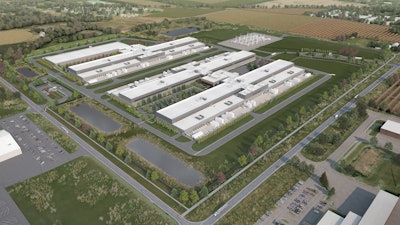
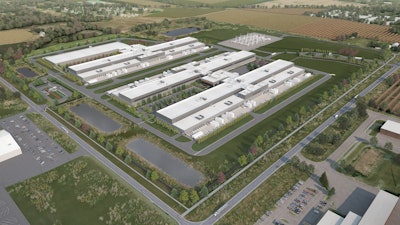
The recent announcement that US-based data centre developer QTS Data Centers has broken ground on a US$10 billion data centre campus in Cedar Rapids, Iowa brings a fresh wave of optimism along with a few tricky parts that local communities are facing. This vast 612-acre project at the Big Cedar Industrial Center marks one of the largest economic development initiatives in Cedar Rapids’ history, promising to reshape the local economy and provide a robust boost to job opportunities. As we take a closer look at this ambitious project, it becomes clear that while the scale of investment and the benefits are undeniable, there are also tangled issues that need to be dealt with in the course of its development.
Several factors make this data centre development an essential highlight of the US construction segment. At its core, the project is about creating a state-of-the-art facility that aligns power demands with high performance, sustainability, and digital transformation. The company’s multi-phase build plan, which spans more than a decade, underscores the long-term ambitions and the risk-reward balance that comes along with mega projects of this nature.
The initiative will create more than 2,000 jobs, both during construction and permanently once the campus is operational. This infusion of opportunities is expected to have a profound multiplier effect across the local economy by encouraging ancillary industries, such as transportation, manufacturing support, and services that cater to an expanding workforce. To better understand these economic dynamics, consider the following points:
- Job creation in multiple sectors, including electrical engineering, building construction, safety management, and advanced technological roles
- Increased local spending and economic activity driven by the influx of workers and related businesses
- Improved municipal revenues through enhanced commercial activities and future tax contributions
This transformation comes at a time when many cities are striving to grasp a path through the nerve-racking twists and turns of ambiguous regulatory environments and economic uncertainties. Cedar Rapids’ ability to seize the opportunity hinges on overcoming these intimidating hurdles while also embracing the new prospects that a large-scale project like this presents.
Energy-Efficient and Water-Saving Infrastructure in Modern Data Centres
One of the key selling points of the QTS campus is its commitment to energy efficiency and environmental sustainability. The project will be powered by US-based energy provider Alliant Energy, ensuring that the industrial park has a strong and dependable power infrastructure from day one. This design is set to incorporate carbon-free energy along with water-free cooling technologies that together are expected to save an estimated four billion gallons of water annually compared with traditional data centre cooling systems.
By integrating these innovative practices, the project takes a closer look at balancing economic progress with ecological responsibility. It is essential not only to look at the sheer capacity and scale of the build but also to recognize the critical need for sustainable solutions in the age of digital transformation. Here are several advantages of this modern infrastructure design:
- An environmentally friendly footprint that promotes the use of renewable energy sources
- Substantial water conservation, which is particularly significant in regions facing water scarcity
- Innovative cooling techniques that reduce maintenance costs and improve operational efficiency
In practice, these advantages not only reduce ongoing operational costs but also help in reducing the anxieties associated with mitigating climate change and environmental degradation. The design choices made here have set a new benchmark for energy efficiency and represent a thoughtful response to current sustainability challenges within the digital infrastructure sector.
Opportunities in Advanced Construction and Electrical Engineering
The scale of this project requires a deep dive into the nitty-gritty of advanced construction techniques and sophisticated electrical engineering. Iowa-based Helix Electric has been chosen as the electrical contractor, and the role they will play is both critical and expansive. With plans to hire around 400 staff for roles that include journeymen, commissioning technicians, foremen, superintendents, and safety managers, the opportunity extends well beyond simple construction site jobs.
This infusion of highly skilled talent is designed to elevate local competencies and stimulate further industrial sophistication within the region. As the project evolves, it will need to address several confusing bits related to managing manpower, scheduling, and technological integration. However, with careful planning and a streamlined approach, these off-putting challenges can be managed effectively.
The construction and electrical engineering teams are expected to work closely to ensure that all aspects of the project are handled with precision. A collaborative approach will be essential in tackling the following elements:
- Coordination between diverse teams to manage construction timelines and quality standards
- Integration of cutting-edge systems that require both sophisticated hardware and programming
- Ensuring compliance with strict safety and environmental standards, even amid rigorous deadlines
While there are intimidating parts and complicated pieces to this puzzle, the collaboration highlights the increasing trend of multi-disciplinary approaches in major industrial projects. The success in these complex builds will not only serve as a model for similar future projects but also act as a blueprint for achieving sustainable development in high-tech construction environments.
Working Through Regulatory Hurdles and Permitting Challenges
Any project of this magnitude is sure to be loaded with regulatory challenges that require careful navigation. The sheer size and long-term nature of the QTS data centre campus mean that administrators will have to figure a path through a myriad of federal, state, and local regulatory requirements. Such regulatory considerations often involve tangled issues that include zoning laws, environmental impact assessments, compliance with local building codes, and obtaining permits for phased construction.
The multi-year span of the project’s development further introduces the risk that future regulatory requirements may evolve in unexpected ways. This means that stakeholders need to be prepared for changes that could create slightly unexpected twists. In other words, while the regulatory framework is intended to ensure safety and environmental stewardship, it can also lead to nerve-racking delays if not managed proactively.
To address these tangled issues, the following proactive measures are anticipated:
| Challenge | Potential Solution |
|---|---|
| Permitting Delays | Engaging with local authorities early and establishing clear communication channels |
| Regulatory Uncertainty | Staying informed about legislative changes and employing a flexible project management strategy |
| Environmental Compliance | Implementing best practices for sustainability to meet or exceed standards |
| Complex Zoning Laws | Working with expert legal advisors to structure the build correctly |
This table outlines the key challenges along with some strategies to manage them. As regulatory landscapes are full of unexpected turns, it will be super important to have contingency plans that allow the stakeholders to steer through minor setbacks without compromising the overall timeline.
The Impact on Local Communities and National Energy Initiatives
The new data centre campus stands to have a significant impact on the local community, not only through job creation but also by stimulating ancillary business services and bolstering local infrastructure. In a time when many regions are wrestling with high unemployment rates and a need for modernized facilities, this project offers a promising turnaround story for Cedar Rapids.
There are several factors that underscore the socio-economic ripple effects of such a massive investment:
- Boost in local economic activity through infrastructure improvements and service industry expansion
- Enhanced educational opportunities, as local trade schools and colleges can align curricula to meet emerging needs in data centre construction and digital technology
- Improved public-private partnerships where government bodies and private firms work together to generate sustainable community development
Moreover, data centres are becoming a key part of larger national energy initiatives, as the required infrastructure increasingly relies on renewable and carbon-free energy sources. The QTS project is setting an example by using innovative cooling systems that significantly cut water usage. Initiatives like this not only demonstrate corporate social responsibility but also encourage other regions to follow suit in integrating energy efficiency into their critical infrastructure.
Through the lens of local impact, many stakeholders believe that the project will also help streamline discussions around similar investments in other regions, offering a model on how to balance technological needs with environmental sustainability and community growth. As the project unfolds, there will be multiple opportunities to evaluate the fine points of this integrated approach and to learn valuable lessons for future expansion projects.
Weaving Together Industrial Manufacturing and Digital Infrastructure
One interesting dimension of this project is the convergence of industrial manufacturing expertise with cutting-edge digital infrastructure. Construction on this scale necessitates a combination of old-school manufacturing techniques and new-age digital innovation. This melding of industries is reflective of a broader trend where traditional sectors such as manufacturing are increasingly working in tandem with digital solutions to pave the way for smarter, more efficient business practices.
Industrial manufacturing contributes robust physical expertise—ranging from the assembly of large-scale mechanical components to the deployment of highly technical systems—while digital infrastructure provides the seamless connectivity and data management capacities essential for operating a modern data centre. When these two sectors join forces, the result is a state-of-the-art facility that not only meets modern performance standards but also paves the road for future digital advancements in automation and smart systems.
The following bullet list highlights some of the shared benefits of combining these two spheres:
- Improved operational efficiencies via smart monitoring and control systems
- Enhanced system reliability through rigorous testing and manufacturing protocols
- Greater capacity for innovation in emerging areas such as artificial intelligence and automation
- Reduced downtime and maintenance costs by integrating predictive maintenance tools
This data centre is a testament to modern construction’s capability to reconcile traditional manufacturing strengths with the demand for digital innovation. By doing so, it creates a multi-disciplinary environment where skilled trades, modern technology, and responsible construction practices work together to handle all the intricate twists and turns of a massive build.
Evolving Trends in Data Centre Architecture and Design
As we take a closer look at how data centre architecture is evolving, the Cedar Rapids project offers several insights into emerging design trends. The emphasis on sustainability and energy efficiency is more than just a passing fad; it is becoming a core component of data centre design across the globe. Developers today are increasingly aware that creating an energy-efficient system requires a balanced approach that takes into account both immediate operational needs and long-term environmental impacts.
Key modern trends influencing data centre architecture include:
- Modular Construction: Employing prefabricated modules allows for quicker construction timelines and greater flexibility for future expansions.
- Scalable Infrastructure: Future-proofing the design so that facilities can accommodate growing digital demands without major overhauls.
- Energy Storage Solutions: Integrating backup energy, such as batteries or other storage methods, to handle peak loads effectively.
- Advanced Cooling Systems: Utilizing water-free cooling methods that significantly lower water and energy consumption.
Each of these aspects requires stakeholders to get into the fine details of the project planning and execution. While these small distinctions might seem like minor tweaks, they have a super important role in ensuring that the facility meets performance expectations over its intended lifespan. Practitioners in data centre construction are increasingly finding that a failure to figure a path through these subtle parts can lead to higher operational costs and lower overall system efficiency.
Employment and Workforce Development in High-Tech Construction Projects
The sheer scale of the QTS campus means that workforce development will be an integral element of the project. The projected hiring across various technical and managerial roles is set to create ripple effects across the local labor market and offers opportunities for workers to upgrade their skill sets in an evolving digital economy. From seasoned tradespeople to young professionals stepping into advanced technological roles, the project provides a conduit for career advancement and skills training.
Key employment highlights include:
- Specialized Skill Sets: The project demands expertise in areas such as commissioning, advanced electrical work, and sophisticated construction management.
- Training and Apprenticeship: Local educational institutions may collaborate to provide specialized certification programs and apprenticeships geared towards these advanced roles.
- Long-Term Career Growth: With over 2,000 projected permanent jobs following construction, there is substantial room for career development and professional advancement.
These opportunities come at a time when many industries are facing a shortage of skilled labor, especially in areas where new technology meets traditional construction. For many workers, the promise of stable, well-paying jobs can help ease the overwhelming anxiety that comes with economic uncertainty and the twists and turns of evolving industry demands.
Examining Data Centre Construction Amid Global Tech Demand
While the QTS data centre project is monumental in its own right, it also reflects broader trends within the tech landscape. The high demand for data centres is being driven by everything from increasing cloud computing needs to the explosion of data-driven applications such as artificial intelligence and machine learning. However, the pace of data centre construction across North America—and indeed, globally—has been somewhat slow in keeping up with market demands.
This gap has prompted some industry players to introduce innovative development models aimed at streamlining the entire construction process. Critics have noted the following challenges which contribute to why data centre build-outs sometimes fail to catch up with demand:
- Complex project coordination across multiple phases and stakeholders
- Regulatory and permitting delays that stretch out timelines
- Supply chain disruptions that cause unforeseen hold-ups in material availability
- Technological integration issues that require continuous adaptation of system designs
While these complications may seem intimidating, industry leaders argue that solutions are emerging that can help manage your way through these tangled issues. For instance, employing modular construction techniques and establishing short-cycle review processes have been identified as effective strategies to accelerate build times while maintaining high quality and sustainability standards.
The Synergy Between Business Tax Incentives and Sustainable Construction
One often overlooked aspect of mega construction projects like the QTS data centre campus is the potential for beneficial business tax policies. In many regions, large-scale capital investments in sustainable, energy-efficient projects can attract significant tax breaks and incentives, which in turn can reduce the overall cost burden. This facet is critical when balancing the economic equations of such colossal projects.
By aligning the project closely with state and federal sustainability initiatives, stakeholders can potentially unlock a host of advantages:
- Tax credits and rebates for using renewable energy and energy-efficient technologies
- Incentives for job creation and workforce development, often tied to local investment
- Potential funding or low-interest loans available through government-backed infrastructure programs
Understanding these subtle details is key for decision-makers to assess the financial viability of the project in its entirety. While paying attention to these nuanced fine points may seem off-putting at times, the attention to detail can prove to be must-have in ensuring the long-term sustainability and economic success of the development.
Integrating Modern Marketing Strategies With Traditional Construction Practices
Beyond the physical construction and regulatory challenges, there is an equally important narrative around marketing and stakeholder communication. In the hyper-connected digital age, constructing a facility is not just about bricks and mortar—it is about clearly conveying the vision, benefits, and value to various audiences, from investors to local communities.
Modern marketing strategies must work hand in hand with traditional construction practices to build trust and foster a positive image. Here are several strategic points to consider:
- Clear Communication: Regular updates and transparent progress reports help demystify the project during its various phases.
- Community Engagement: Hosting forums for local residents and businesses to ask questions and provide input can ameliorate any concerns regarding environmental and social impacts.
- Digital Outreach: Leveraging digital channels—ranging from social media to dedicated project websites—ensures that the public remains informed and engaged throughout the construction journey.
- Brand Alignment: Aligning the project with broader sustainability and innovation narratives helps in establishing a strong, positive brand image.
These marketing efforts, when executed effectively, can help overcome some of the nerve-racking unknowns associated with projects of this magnitude. A well-executed communication strategy serves as the glue that harmonizes stakeholder expectations with the project’s ambitious objectives, ensuring a smoother process overall.
Lessons Learned From Previous Large-Scale Industrial Projects
Looking back at other large-scale projects, there are valuable lessons that can be applied to the QTS data centre development. Other mega-projects have confronted similar twisted issues and overwhelming pressures from various directions, yet emerged stronger due to robust planning and adaptive execution. Consider the following observations drawn from past projects:
- Importance of Early Planning: Addressing potential supply chain and manpower challenges from the start can prevent nerve-racking hurdles later on.
- Adaptability in Design: A flexible design that anticipates evolving regulatory requirements and technological advances is key for long-term success.
- Stakeholder Collaboration: Consistent engagement with community leaders, regulatory officials, and construction teams helps smooth out the complicated pieces of large-scale projects.
By learning from these examples, project managers associated with the Cedar Rapids data centre are well-poised to mitigate potential risks. As this project sets its foundation, it demonstrates how combing through the little details and planning for almost any eventuality is the secret to managing the unpredictable twists and turns that arise during such a colossal build.
Comparative Analysis: Traditional Versus Modern Data Centre Strategies
A comparative look at traditional data centre methods and their modern counterparts helps highlight the remarkable evolution in the industry. Older models of data centre construction relied heavily on conventional cooling systems and power infrastructures, often resulting in sustained operational costs and environmental repercussions.
Modern data centre strategies, as exemplified by the QTS project, incorporate cutting-edge sustainable technology that sets them apart from the past. The shift includes:
| Aspect | Traditional Approach | Modern Approach |
|---|---|---|
| Cooling Systems | Water-intensive and energy heavy | Water-free cooling technology with energy efficiency |
| Power Source | Reliance on conventional grid power | Integration of renewable, carbon-free energy |
| Construction Scale | Incremental expansions with limited scalability | Phased, modular construction enabling rapid expansion |
| Environmental Impact | High operational emissions and environmental footprint | Focused on reducing emissions and conserving critical resources |
This table illustrates the stark differences between traditional data centre models and the new generation, which deftly integrates sustainability with operational efficiency. Not only does this approach echo the priorities of global tech trends, but it also sets a benchmark for future projects throughout North America and beyond.
Future Prospects: A Blueprint for Global Data Centre Development
The QTS data centre project in Cedar Rapids emerges as a blueprint for upcoming developments—not only in the US but also in global markets. As digital infrastructure evolves and data storage demands escalate, the project illustrates how international trends could merge with local imperatives to drive forward innovation.
Industry experts are keen to watch how a project of this sheer size can integrate with national energy goals. There is a growing belief that truly sustainable data centres must not only be technologically advanced but also closely allied with regional environmental and economic strategies. The potential for similar mega projects in other underdeveloped areas across the globe should lead to:
- Widespread adoption of renewable energy sources in industrial projects
- Enhanced performance capabilities through the ongoing evolution in cooling and automation technologies
- Robust policy frameworks that balance economic growth with environmental ethics
- Innovative partnerships between construction firms, government bodies, and tech companies
This blueprint is particularly important as worldwide digitalisation continues to accelerate. It represents a forward-thinking approach where cutting-edge digital systems and time-tested construction methodologies come together, offering a roadmap for countries seeking to boost their own digital infrastructure while remaining true to sustainability goals.
Challenges in Balancing Scale, Speed, and Sustainability
Despite the multiple advancements and opportunities, the success of this data centre project is not guaranteed without overcoming the off-putting—and sometimes nerve-racking—balancing act between scale, speed, and sustainability. While the phased build approach allows for flexibility, the challenge of keeping up with technological advancements while adhering to strict sustainability standards persists.
Project managers must find a path through these subtle details, addressing challenges such as:
- Ensuring project timelines are met while integrating state-of-the-art technology
- Maintaining rigorous environmental standards without escalating costs
- Adapting rapidly to shifting demands from the digital marketplace
- Coordinating across multiple contractors and stakeholders with diverse objectives
The intertwining of these components requires a management style that is both adaptive and forward-thinking—qualities that will ultimately define the long-term success of projects in today’s dynamic industrial landscape. In overcoming these hurdles, stakeholders demonstrate their capability for innovation under pressure and highlight the role that clear, decisive leadership plays in pushing the boundaries of what is possible.
Conclusion: Steering Through the Future of Data Centre Development
The QTS data centre project in Cedar Rapids, Iowa, is more than just a massive construction initiative—it is a reflection of a broader transformation in how digital infrastructure is built and operated. This ambitious project illuminates a path through a maze of challenging bits; it ties together industrial manufacturing roots with modern, sustainable practices that respond directly to our digital age’s demands.
As communities, government bodies, and industry experts watch with a mix of excitement and trepidation, it becomes clear that projects of this scale are both a mirror and a catalyst for future innovations in construction, renewable energy, and public policy. Tackling the tangled issues of modern technology integration, workforce development, and regulatory compliance demands that all stakeholders work together to make smart decisions, adapt quickly, and learn from the subtle details that define success.
Whether you are a local resident, an investor, or a policymaker, the lessons from this project offer an insightful guide into the twists and turns of modern mega-construction. The enduring promise of economic development, environmental sustainability, and robust digital infrastructure positions the Cedar Rapids data centre as a powerful case study in 21st-century industrial evolution.
In a landscape that is often complicated by nerve-racking regulatory processes, economic uncertainties, and the ever-changing demands of technological innovation, the QTS project stands as a bold reminder that with careful planning, adaptive strategies, and cross-disciplinary collaboration, even the most intimidating of undertakings can serve as beacons of progress. As stakeholders continue to get into the fine points and steer through these challenging waters, the future of data centre development looks not only bright but also responsibly geared towards creating enduring value for society at large.
Originally Post From https://www.constructionbriefing.com/news/construction-starts-on-us10bn-iowa-data-centre-campus/8083316.article
Read more about this topic at
QScale wants to build a multi-billion-dollar AI data centre …
Canada’s Qscale plans to build multi-billion-dollar …