Assessing the I-5 Construction Projects in Bellingham: A Closer Look at Their Impact on Local Business and Daily Commutes
The recent announcement by the Washington State Department of Transportation (WSDOT) concerning two major construction projects along I-5 in and around Bellingham has captured the attention of many local stakeholders. As an opinion piece, this editorial takes a closer look at these developments from multiple angles, including the effects on local business, commuters, and overall regional commerce. In our analysis, we aim to shed light on the intertwined issues of safety improvements, economic trade-offs, and the slightly unpredictable disruptions caused by such infrastructure upgrades.
Understanding the Objectives Behind the Construction Projects
At the heart of the current projects is a dual-purpose initiative: the removal of barriers for fish passage and essential paving maintenance. These projects serve as an example of how public infrastructure often requires adjustments that may appear inconvenient in the short term but are designed to yield longer-term benefits. WSDOT’s strategy includes implementing temporary lane closures, establishing alternate bypass lanes, and reducing speed limits to help contractor crews conduct their work effectively.
A closer look into the planned schedule reveals a mix of shifting lanes and rolling slowdowns. These measures, though temporarily disruptive, are part of a broader three-year project that is key to enhancing road safety and environmental protection. While the intricate details of these measures might seem tangled or full of problems to some, they are in fact essential tweaks aimed at progressive infrastructural improvements.
Decoding the Schedule and Its Implications
One of the main concerns voiced by local residents and business operators is the uncertainty regarding the duration of these adjustments. With delays beginning as early as 8 p.m. on Friday, August 15, near North Lake Samish Drive, and a series of alternating lane closures throughout the following week, many are left to wonder how these changes will affect their daily routines.
This period of adjustment is especially nerve-racking for daily commuters and small business owners who rely on the seamless flow of traffic, as well as local industrial manufacturers dependent on punctual deliveries. The approach taken by WSDOT aims to manage the speeders through clear signage and temporary speed reductions to 50 mph in the median bypass lanes—a measure that is both intimidating for speed enthusiasts and reassuring for safety advocates.
Below is a table summarizing the planned closures and delays as detailed by the authorities:
| Time Period | Location | Details of Closure/Delay |
|---|---|---|
| 8 p.m. Friday, Aug. 15 – 5 a.m. Saturday, Aug. 16 | Northbound I-5 near North Lake Samish Drive | Switch to a two-lane bypass with reduced speed limits |
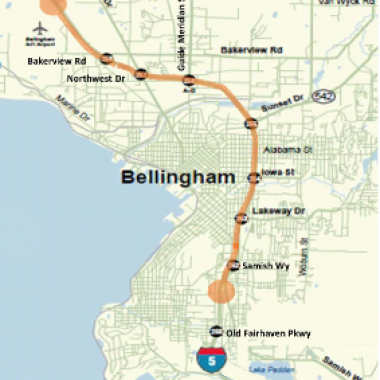
| 8 p.m. Sunday to 5 a.m. Monday | Southbound I-5 between Guide Meridian and Sunset Drive | Right lane closure for paving maintenance |
| 8 p.m. Monday to 5 a.m. Tuesday | Southbound I-5 in the same stretch | Alternate left lane closure |
| 10 p.m. Tuesday to 5 a.m. Wednesday | Northbound lanes between Sunset Drive and Guide Meridian | Complete closure for contractor work |
| 10 p.m. Wednesday to 5 a.m. Thursday | Southbound lanes between Northwest Avenue and Guide Meridian | Closure for routine paving maintenance |
This schedule represents just a portion of the planned adjustments and is set to create a ripple effect throughout the day-to-day operations in Bellingham. Stakeholders are urged to plan alternate routes, and many local experts believe that additional safety measures are a sign of WSDOT taking the necessary steps to clear up the tangled issues associated with construction-related hazards.
Local Business and Economic Implications: A Matter of Adaptation
While any construction activity naturally brings about disruptions, it is important to consider the broader economic implications, especially in the context of small businesses, industrial manufacturing, and even the automotive and electric vehicle sectors. On one level, temporary delays can lead to escalated fuel costs, delayed product deliveries, and a slight dip in overall productivity. On another level, these projects can be seen as investments in future economic stability.
The construction projects signify an effort to improve critical transportation corridors that serve as lifelines for commerce. With businesses directly linked to the highway’s flow, the minor inconvenience of a few hours’ delay can be outweighed by long-term benefits, such as improved road safety and smoother, more reliable freight movement. However, for local business owners, the current scenario might prove nerve-racking as they try to figure a path through the temporary obstacles.
Challenges Faced by Small Businesses Amid Infrastructure Upgrades
Local business owners often face a set of challenging parts when infrastructure changes occur. Digging into the issues, we can identify several key areas where the trickier bits of these projects are felt most keenly:
- Disruption in Supply Chains: For many industrial manufacturers and distribution centers, even short-term delays can have a domino effect. Missing tight delivery schedules can lead to production halts and additional costs.
- Increased Transit Times: As lanes close during the night, the reliance on alternative routes places extra pressure on drivers and logistics companies.
- Economic Pressure on Local Services: Restaurants, retail outlets, and service providers might witness reduced foot traffic which could steeply impact their daily revenues.
Local business owners are encouraged to adopt flexible scheduling, plan for contingencies, and maintain clear communication with suppliers and customers. Some even suggest that improving real-time road condition reporting and integrating it into local business planning strategies could help steer through these unpredictable times.
Public Safety and Environmental Benefits: Balancing Short-Term Hardships with Long-Term Gains
From the perspective of public safety, the WSDOT projects are geared towards reducing construction zone crashes and ensuring a safer transit environment. With active measures such as rolling slowdowns and lower speed limits in the bypass lanes, the plan is designed to create a safer immediate environment for both workers and drivers.
This approach is a classic example of the government making calculated moves that are hopeful to reduce risky driving behaviors around construction zones. It is essential to note that many commuters appreciate these safety measures, even if they come with short-term delays. The safety advantages offered by these temporary restrictions are clear, even if some drivers find them intimidating or off-putting at first.
Environmental Considerations: Enhancing Fish Passage and Sustainable Practices
One of the lesser-discussed benefits of the project is its commitment to natural environmental improvements. By focusing on the removal of barriers for fish passage, WSDOT highlights the importance of preserving delicate marine ecosystems in the region. This aspect of the project might not immediately register with local commuters, but for environmentalists and community advocates, it is a critical step towards sustainable infrastructure.
When we compare the tangible benefits—improved waterway access for fish, reduced long-term environmental degradation, and more effective stormwater management—the temporary road closures and delays emerge as a necessary compromise. By taking a deeper look at the fine points of the project, one can appreciate that the environmental gains, though overshadowed by the immediate inconvenience, promise a healthier balance between urban progress and natural preservation.
Enhancing Communication and Transparency During Infrastructure Changes
One of the overarching lessons from the current situation is the need for clear, detailed communication from government agencies during these periods of adjustment. For local residents and business operators, the seemingly endless updates about lane closures, slowdowns, and pass-through procedures can make the situation appear more confusing and even nerve-racking.
As stakeholders continue to cope with the delays, there is a pressing need for agencies like WSDOT to provide transparent and timely updates. Enhanced communication could help mitigate the overwhelming feelings experienced by commuters trying to find a path around the disrupted sections of I-5. In today’s digital age, integrating real-time traffic updates through mobile applications, social media channels, and dedicated local news outlets would contribute substantially to easing the burden.
The Role of Technology in Streamlining Traffic and Business Operations
Technology today plays a key role in reducing the complications of construction-related disruptions. For instance, many local drivers already rely on navigation apps to help them make your way through unexpected road work or delays. When authorities ensure that these digital tools receive accurate and up-to-date information, it can lead to smarter routing decisions and a more predictable transit experience.
Moreover, businesses can also leverage similar technology to manage their logistics. Integrating traffic data into business operations can help managers swiftly adapt delivery schedules, update clients about potential delays, and even reassign job priorities for better efficiency during periods of construction.
Bullet-pointed below are some ways technology is critical in mitigating the effects of infrastructure projects:
- Real-time traffic updates for proactive route planning
- Enhanced communication platforms for direct business-customer interactions
- Mobile applications that integrate construction schedules for optimal planning
- Data-driven decision-making to minimize financial disruption
Trade-Offs and the Bigger Picture: Weighing Immediate Inconveniences Against Long-Term Gains
While it is easy to focus on the immediate headaches caused by the temporary lane closures and delayed traffic transit, it is helpful to take a step back and consider the broader rationale. Infrastructure projects such as these, though at times intimidating and off-putting, belong to a larger strategy aimed at modernizing transportation corridors. When we dig into the issue, it becomes apparent that the roads which connect local businesses, industrial manufacturers, and even sectors like automotive and electric vehicles require ongoing investment and maintenance.
Temporary delays and nerve-racking adjustments are part of the process, and in many cases they are carefully choreographed to limit risks and pave the way for future advancements. The trade-offs include:
- Short-term discomfort vs. long-term security: While the road closures may disrupt daily routines, the long-term payoff in terms of safety and reliability is super important.
- Environmental benefits vs. temporary inconveniences: Enhanced natural ecosystems may not immediately translate to everyday convenience, but they represent a key win for sustainable living.
- Business disruptions vs. improved logistical channels: Although local businesses battle with supply issues during the work, the eventual upgrades to the roadway could lead to even more efficient transport routes and cost savings over time.
These considerations underscore that the costs incurred in the current period are an investment in a future where traffic flows more smoothly, safety standards are higher, and environmental factors are managed with a balanced perspective. In the end, while the present may be tense, the persistence of such measures is likely to set a precedent for responsive and responsible governance in the face of critical infrastructural needs.
Community Voices: Diverse Perspectives on the Road Ahead
It is important to acknowledge that opinions among the local community are varied. Many residents understand and even appreciate the necessity of these construction projects, accepting that some short-term chaos is inevitable when striving for improvement. Others, however, express frustration over the lack of sufficient notice or the sometimes confusing details regarding the timing and extent of the disruptions.
To further illustrate the range of community sentiment, here are some common observations raised by local citizens:
- Safety Concerns: A portion of the community feels that extra measures, beyond just temporary speed reductions, should be implemented to further ensure the well-being of both drivers and workers.
- Business Impacts: Small business owners often voice worries about falling customer numbers during key operating hours, especially when the construction work disrupts known travel patterns.
- Environmental Appreciation: Advocates for environmental conservation see the efforts to remove fish passage barriers as a critical initiative to restore local waterways and biodiversity in the region.
- Calls for Better Communication: Many locals believe that a more detailed notice system could help them figure a path around the delays by allowing for better planning and preparation.
These mixed perspectives highlight that while the overall aim of the projects is positive and forward-thinking, the execution and communication of these changes can be smoothed out further. Local authorities might consider establishing community advisory panels or frequent town-hall style sessions where updates can be shared directly and feedback is taken on board.
Learning from the Present to Enhance Future Infrastructure Projects
The current situation on I-5 is a microcosm of the challenges faced by many regions navigating urgent infrastructure upgrades amid burgeoning traffic demands and environmental concerns. It is essential that policymakers and engineers take a closer look at the lessons learned from these projects to improve future ventures. There are several areas that could benefit from thoughtful revisions:
- Enhanced Pre-Project Communication: Providing clear, concise, and advanced notifications about lane closures can help businesses and commuters manage their day more effectively.
- Adaptive Scheduling Approaches: Employing flexible scheduling that considers off-peak hours more thoroughly could reduce the adverse impacts on daily commuters and logistic chains.
- Integration of Real-Time Digital Updates: Leveraging technology fully to supply instant updates about any changes or delays ensures that those on the road have the best possible information to work through the disruptions.
- Stronger Coordination with Local Stakeholders: Establishing continuous dialogue channels with local businesses, community leaders, and environmental groups could turn these challenging times into opportunities for collaborative problem-solving.
The key takeaway is that we must work through the tangled issues that accompany large-scale infrastructural work by embracing a spirit of cooperation and continuous improvement. The ongoing projects on I-5 will not just shape the future of transportation, but will also play a crucial role in setting the tone for how complex public works are communicated and managed in the future.
Small Business Resilience and the Need for Proactive Planning
Local small businesses are at an interesting crossroads during times such as these. While disruptions can be a major headache, these circumstances also push businesses to innovate and adapt. Many entrepreneurs are beginning to leverage digital communication tools and real-time data integration to reduce the impact of these changes on their bottom line.
Some practical steps that small business owners can take include:
- Revising Delivery Timelines: Adjusting schedules to account for potential delays and informing clients promptly can ease anxieties associated with shipping and service fulfillment.
- Adopting Flexible Work Hours: Allowing staff to modify work hours during peak construction times can ensure that operations continue to run smoothly, despite the external challenges.
- Utilizing Local Resources: Engaging with local business networks to share real-time updates and alternative routing options can foster a sense of community resilience.
Resilience in small business operations is not just about survival but about finding opportunities in adversity. In this light, the current adjustments on I-5 offer a chance for businesses to get creative about logistics, customer communication, and overall operational planning. Many industry experts argue that smart, proactive planning now will serve as a robust foundation for handling any similar disruptions in the future.
Repercussions for the Automotive and Electric Vehicle Sectors
The automotive industry, including the rapidly growing electric vehicle (EV) segment, also finds itself navigating these temporary challenges. With I-5 serving as a key artery for vehicle transit, any disruption has a domino effect on delivery times, service appointments, and even overall consumer sentiment towards road travel.
Manufacturers and service providers in the automotive sector are taking note of the situation and advise that vehicle owners plan accordingly. Some of the small yet significant changes include:
- Advising customers on alternate service route options.
- Communicating expected delays via automated systems and social media.
- Adjusting service center operating hours to better match peak and off-peak travel times.
In the realm of electric vehicles, the reliance on timely deliveries of parts and timely maintenance of infrastructure is paramount. Stakeholders within the EV community often praise measures that enhance road safety, even when it means a temporary slowdown. The key is to balance short-term inconveniences against the promise of sustained efficiency and safety improvements in the long term.
Business Tax Laws and Economic News: Implications of Growing Infrastructure Investments
Beyond the immediate practicalities of transportation and safety, infrastructure projects like these also affect a wider scope of business tax laws and economic forecasting. When state agencies invest heavily in public works, these decisions can reverberate throughout tax codes and regulatory policies. Local politicians and economic strategists often debate the best methods to fund such projects, balancing the burdens between local taxpayers and state budgets.
Key fiscal implications include:
- Reassessment of Local Business Taxes: With construction projects boosting local employment and associated economic activities, tax revenues may increase, which in turn could help offset costs or lead to potential tax adjustments.
- Stimulus for Related Sectors: The ripple effect created by improved transportation infrastructure can stimulate growth in sectors such as real estate, retail, and service industries, eventually leading to a healthier economic environment.
- Long-Term Investment in Workforce Development: As the transportation network improves, local governments may also invest more in workforce training and operational safety, which further supports broader economic development.
Clearly, such intertwined issues are not only about concrete and asphalt; they are also about strategic investments that local government leaders and industry experts view as essential building blocks for a resilient future.
Finding a Path Forward Amid Construction-Related Challenges
At this juncture, it is worth noting that managing through these construction-related twists and turns requires a combination of strategic foresight and practical, day-to-day adaptation. While the current roadwork along I-5 in Bellingham presents temporary complications for commuters and business operators alike, it also opens up a dialogue on how best to merge public safety, economic efficiency, and environmental sustainability into one coherent vision.
Stakeholders across the board—whether they are small business owners, industrial manufacturers, automotive professionals, or local commuters—are all called upon to work through the tangled pieces with a spirit of patience and collaboration. By taking a closer look at both the transient inconveniences and the long-term benefits, we are reminded that these infrastructure upgrades are a microcosm of a larger, ongoing transformation.
Preparing for Future Infrastructure Projects: Strategies and Suggestions
With the lessons learned from the I-5 projects in hand, various community leaders and business experts have begun to outline strategies aimed at smoothing out similar challenges in the future. It is essential for authorities to not only take responsibility for current disruptions but also to implement systematic improvements that can help manage expectations and streamline operations going forward. Some of these strategies include:
- Transparent Scheduling and Updates: Regular, clear notifications about the timeline, expected delays, and exit strategies can dramatically ease public concerns.
- Enhanced Collaboration with Local Stakeholders: By incorporating feedback from businesses and residents early in the planning process, future projects can be tailored to better suit the needs of those directly affected.
- Utilization of Advanced Data Analytics: Investing in technologies that harness real-time data to dynamically adjust traffic control measures can help reduce the nerve-racking surprises that often accompany partial road closures.
- Robust Contingency Planning: Local businesses should build contingency plans into their operations to prepare for similar events, ensuring that they can adapt quickly when disruptions occur.
Moreover, further research and consultation with experts on transportation management should be considered a must-have for any future projects. With the aviation of new digital solutions and increased cooperation between the public and private sectors, it is entirely possible to pave the way for more efficient and less disruptive infrastructure improvements.
Conclusion: Embracing Change with Patience and Pragmatism
The ongoing construction on I-5 in Bellingham serves as a potent reminder that change, especially on a large scale, is inevitably mixed with moments of frustration and uncertainty. However, through a balanced understanding of both the benefits and the temporary drawbacks, it becomes clear that these changes are essential for progress. Whether viewed from the standpoint of increasing safety, boosting the local economy, protecting the environment, or even making your way through the daily logistical challenges, every initiative like this carries within it the promise of a better tomorrow.
What remains important is the collective willingness to adapt, stay informed, and work together across all levels—government agencies, local businesses, commuters, and community advocates alike—in order to manage your way through these tricky shifts. By embracing a combination of flexible planning, improved communication, and advanced technology, we can ensure that the temporary bumps in the road do not diminish the long-term gains that these projects aim to deliver.
In the end, while the present scenarios may be intimidating and filled with a few nerve-racking moments, the constructive dialogue between stakeholders, backed by proactive adjustments, paints a hopeful picture for the future. The challenges on I-5 today are but the stepping stones towards a more sustainable, safe, and economically robust transportation network for Bellingham and beyond.
It is our responsibility as community members and business leaders to work through these temporary obstacles and support measures that not only improve our immediate surroundings but also lay the groundwork for a thriving, interconnected future. With patience, pragmatic planning, and a forward-looking mindset, the twisted issues we face today will eventually clear the path for smoother, safer, and more efficient travel and commerce tomorrow.
Originally Post From https://www.bellinghamherald.com/news/traffic/article311719369.html
Read more about this topic at
Revive I-5 – Ship Canal Bridge preservation | WSDOT – | WA.gov
Heads up, drivers! NB I-5 in Seattle will be fully closed …